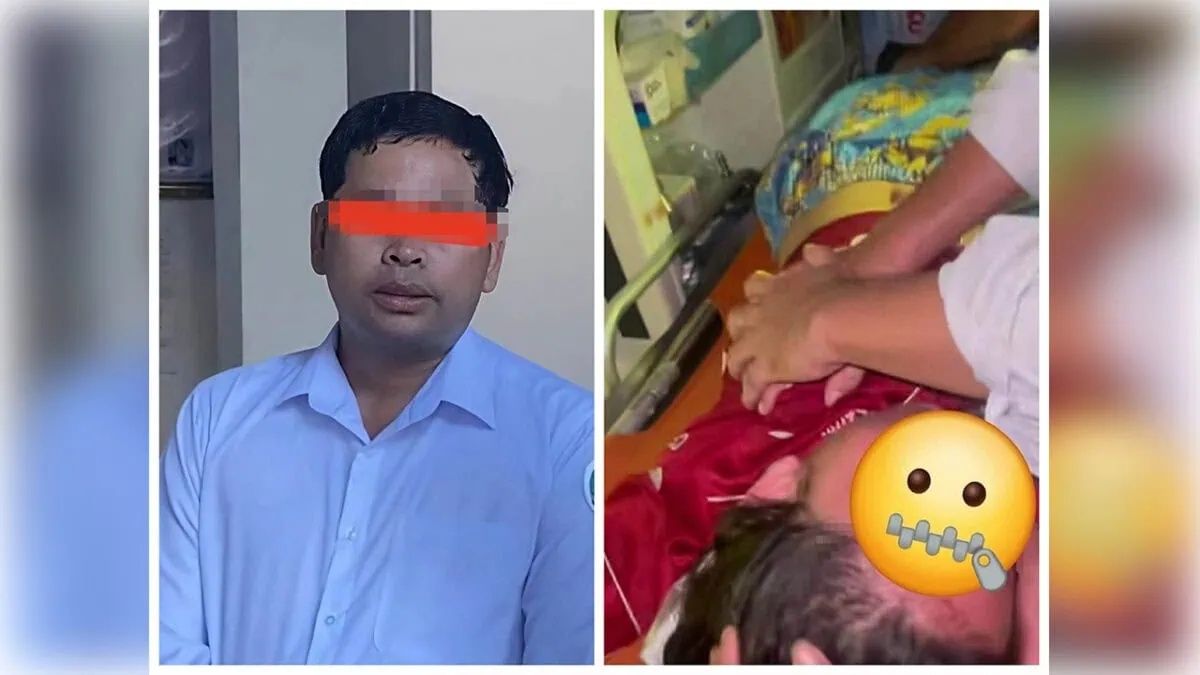
The removal of a rural health centre director in Cambodia's Kandal province underscores the growing tension between emergency medical care and patient dignity in Southeast Asian healthcare systems. Kandal provincial governor Kuoch Chamroeun issued an administrative order on Tuesday that terminated the leadership role of Chhun Phally at Setbo Health Centre, immediately reassigning him to a different position within the provincial health administration. The action followed a social media firestorm sparked by footage showing Phally administering first aid to a 17-year-old girl who had collapsed at his facility.
The video's circulation online ignited considerable public debate about both the appropriateness of the emergency techniques employed and whether the patient's dignity had been preserved during the medical intervention. Online commentators raised serious concerns, with many arguing that the manner of treatment constituted harassment and violated basic standards of patient care and respect. Others focused on whether the medical procedures themselves adhered to established protocols for emergency resuscitation, highlighting uncertainty about training standards at rural health facilities. The combination of these criticisms created sufficient political pressure that provincial leadership felt compelled to act swiftly, despite the absence of formal findings from any investigation.
The incident originated when the teenage patient experienced seizures and severe breathing difficulties, prompting her family to seek emergency care at the health centre. A relative captured video footage during treatment with the intention of documenting her condition for other family members awaiting updates. However, the recording then circulated across multiple social media platforms, where it rapidly accumulated views and comments from users across Cambodia expressing alarm over what they witnessed. The uncontrolled spread of the footage transformed what might have remained a private medical matter into a public controversy with administrative consequences.
Cambodia's provincial health authorities have initiated a formal investigation to determine whether medical standards were maintained during the emergency treatment. Acting provincial health director Kiem Piseth outlined the investigation's scope, explaining that officials would assess whether procedures complied with professional medical guidelines and examine allegations of misconduct. The investigation represents a critical juncture for Cambodia's healthcare system, as it will establish whether there were lapses in training, supervision, or ethical conduct at the health facility level. Piseth made clear that potential consequences could extend beyond administrative measures, warning that legal action might follow if the investigation confirms inappropriate or harassing conduct.
Chhun Phally subsequently issued a public statement attempting to address the controversy and repair his professional reputation. In his apology, he expressed regret if his actions during the emergency response caused misunderstanding among the public and the patient's family. He categorically denied any intention to sexually harass the teenager or behave inappropriately, instead emphasizing that his singular focus was preserving her life during a critical medical situation. This defense reflects a common tension in emergency medicine worldwide: the necessity for sometimes invasive interventions clashing with patient privacy and dignity expectations. For rural health centres operating with limited resources and training, this tension becomes even more acute.
The episode has catalysed broader conversation across Cambodia regarding professional standards and ethics within the country's healthcare system. Many observers, particularly those on social media and health advocacy circles, have called for establishing more robust protections for patient dignity and privacy while simultaneously ensuring that healthcare workers receive adequate training in emergency procedures. The challenge facing policymakers is developing safeguards that do not deter healthcare workers from providing life-saving interventions during genuine medical crises. Southeast Asia broadly faces this challenge as healthcare systems balance accountability with practical constraints in rural settings.
The incident reveals potential gaps in how rural health facilities in Cambodia communicate with patients and families during emergencies, as well as in training protocols for first-aid provision. Many rural health centres operate with minimal staffing and equipment, meaning personnel must sometimes improvise procedures under extreme pressure. The viral video incident suggests that facilities may also lack clear policies regarding video recording during medical treatment, an increasingly important consideration as smartphone documentation becomes ubiquitous. Provincial authorities will need to address not only the specific incident but also systemic issues that contributed to the controversy.
For Malaysia and other regional nations, the Cambodia case offers instructive lessons about managing healthcare ethics in the digital age. As health incidents increasingly become public through social media before formal investigations conclude, governments across Southeast Asia must develop rapid response mechanisms that protect patient privacy while maintaining professional credibility. The quick administrative action by Kandal's governor demonstrates one approach, but without transparency regarding investigation findings, it may be perceived as reactive rather than principled. Countries should consider establishing clearer ethical frameworks and communication protocols that enable healthcare workers to defend emergency decisions while citizens maintain confidence in system integrity.
The investigation outcome remains pending, with authorities yet to announce formal conclusions or whether additional disciplinary or legal consequences will follow for Phally. His reassignment to provincial health administration suggests he retains employment but faces professional demotion, a middle ground between full exoneration and termination. This positioning reflects the ambiguity surrounding the case—a medical emergency genuinely occurred, yet legitimate questions remain about whether procedures adhered to appropriate standards. The way Cambodia's authorities ultimately resolve this matter will significantly influence how other rural health workers perceive their scope for action during future emergencies, potentially affecting the willingness of personnel to intervene decisively when lives hang in the balance.

