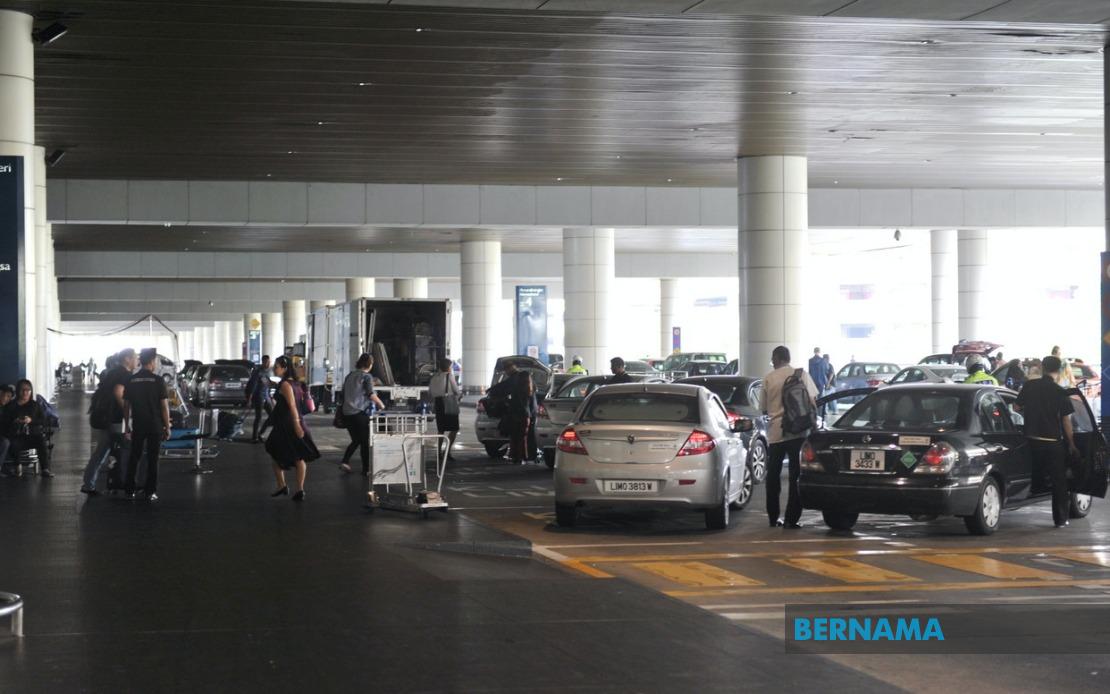
The Road Transport Department (JPJ) is stepping up its campaign against unlicensed ground transportation operators at Kuala Lumpur International Airport, pledging a significant operational overhaul that will place more uniformed personnel across both major terminal facilities on a continuous basis. The initiative, formally announced at KLIA on July 6, represents a coordinated response to persistent complaints about "ulat" or illegal touts who solicit passengers outside legitimate channels, undercutting authorised taxi and transport services while exposing arriving travellers to potential scams and safety risks.
Director-general Datuk Aedy Fadly Ramli confirmed that the enhanced enforcement drive follows explicit instructions from the Ministry of Transport to tackle the problem more systematically. The plan hinges on restructuring how JPJ allocates its human resources at the airport, moving away from the current skeleton crew model toward a sustainable, round-the-clock presence capable of intercepting unlicensed operators whenever they attempt to approach passengers. This represents an acknowledgment that the touts do not operate within convenient business hours—many are active in the pre-dawn period when international arrivals intensify, a window that has historically received minimal supervision.
Currently, the operational landscape at KLIA is severely constrained. Only 17 JPJ officers are stationed at Terminal 1, working shifts that end at midnight, leaving a critical gap during early morning hours when flights typically land and arriving passengers are most vulnerable. Terminal 2, KLIA's newer and increasingly busy facility, has no dedicated JPJ personnel at all, a void that has allowed touts to operate with virtual impunity. Beginning next week, the department will implement a three-shift rotation model spanning the full 24-hour cycle, fundamentally changing the visibility and responsiveness of official enforcement.
Beyond simply adding bodies to the payroll, JPJ intends to deploy officers of higher grades into supervisory and leadership positions at both terminals. This structural change aims to ensure that enforcement operations are not merely reactive but coordinated with strategic oversight, allowing commanding officers to identify patterns, deploy resources where they are most needed, and maintain consistent standards across both facilities. The elevation of personnel rank signals that the ministry views this as a priority issue demanding experienced management rather than entry-level patrol work alone.
The reputational dimension of this crackdown cannot be overstated. Officials framed the initiative partly as a matter of national image, highlighting that illegal touts create an unfavourable first impression for international visitors arriving at one of Southeast Asia's busiest aviation hubs. When tourists and business travellers encounter aggressive or deceptive middlemen immediately upon landing, it undermines Malaysia's standing as a professional, safe destination and raises questions about regulatory competence at critical border points. By contrast, a visibly organised and professional transport environment reinforces confidence in Malaysian institutions.
The JPJ is also mobilising Malaysia Airports Holdings Bhd (MAHB), the airport operator, to amplify messaging to arriving passengers through in-terminal displays and announcements. This public education component seeks to make travellers aware that only licensed, registered services should be used for ground transportation, helping to erode demand for the services of unlicensed operators. When passengers are primed to seek only official channels, the economic incentive for touts diminishes, making enforcement efforts more effective even if the number of patrol officers remains constant.
The battle against airport touts is neither new nor unique to Malaysia, but the scale of the problem at KLIA has grown as the airport's passenger volumes have surged. The touts typically work in loose networks, often claiming to represent taxi services or ride-hailing platforms, and they exploit information asymmetries—arriving passengers may not know which operators are legitimate or how to distinguish them. Some touts direct travellers to unlicensed vehicles operated by associates, generating commissions; others engage in outright fraud, collecting fares that never reach drivers or taking passengers on circuitous routes that inflate costs.
For residents and business users of KLIA, the prevalence of touts also creates congestion and confusion around the departure and arrival areas, as these individuals congregate in spaces where they obstruct legitimate passenger flow and legitimate service providers. The JPJ's pledge to "not compromise with any parties involved in these middleman activities" suggests a willingness to pursue enforcement action aggressively, potentially including vehicle impoundment, fines, and legal prosecution of repeat offenders and organisers.
The timing of this announcement, coinciding with an operational push called "KLIA Ops Ulat," suggests a structured campaign rather than ad-hoc enforcement. This methodical approach aligns with international best practice at major airports, where dedicated task forces are tasked with protecting arriving passengers and maintaining orderly ground transportation services. Several regional competitors, including Singapore's Changi Airport and Thailand's major hubs, maintain robust anti-tout enforcement that has largely eliminated the problem through consistent presence and swift action.
The success of JPJ's expanded operation will depend on sustained resource commitment and coordination with partner agencies including airport security, police, and ride-hailing platforms. It will also require clear guidance to officers on how to distinguish between genuinely licensed operators and sophisticated imposters. Training and accountability mechanisms will be essential to prevent over-enforcement that might harass legitimate small operators or independent drivers who are fully licensed.
For the broader Malaysian aviation sector, the crackdown represents an investment in service quality and passenger experience that should yield tangible benefits. Smoother, safer airport ground operations enhance Malaysia's competitive position as a regional aviation hub and complement infrastructure investments like the recent KLIA2 expansion. As KLIA continues to capture growing passenger numbers and regional competitors invest heavily in airport experience, addressing foundational issues like illegal touts demonstrates institutional attention to customer welfare. The coming weeks will reveal whether the operational restructuring translates into visible improvements on the ground.

