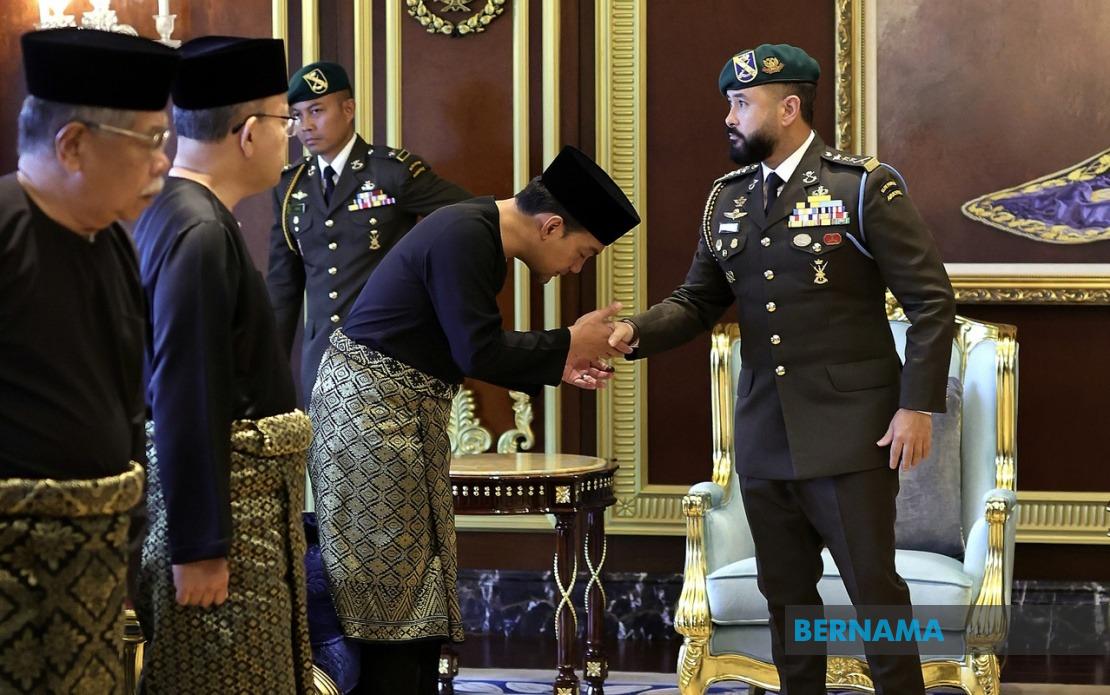
The newly constituted Johor State Executive Council will undergo formal swearing-in proceedings on July 17 at Istana Bukit Serene in the state capital, marking an official transition to the administration's fresh mandate. The ceremony will be presided over by Tunku Mahkota Ismail, the Regent of Johor, underscoring the ceremonial importance of the occasion in the state's constitutional framework. This formal investiture follows Datuk Onn Hafiz Ghazi's swearing-in as Menteri Besar for his new term on July 12, establishing the foundation for the reconstituted cabinet's operations.
The palace has extended invitations to key government officials and media representatives, with Johor Council of Royal Court president Datuk Dr Abdul Rahim Ramli and state secretary Datuk Mohammed Ridha Abd Kadir among those confirmed to attend the proceedings. Journalists will be granted access to cover the event from both principal entrances of the 19th-century royal residence beginning at 9.30 am, ensuring public documentation of the cabinet's formal assumption of office. This openness reflects the transparent approach typically adopted during such constitutional moments in Malaysian governance.
The composition of the new executive council emerges from Barisan Nasional's commanding performance in the 16th Johor State Election held last Saturday, where the coalition secured 48 of the 56 available state assembly seats. This supermajority represents a robust political foundation for the incoming cabinet, providing the administration with substantial legislative support to pursue its policy agenda across the five-year term. The scale of BN's victory underscores sustained voter confidence in the coalition's stewardship of Malaysia's most industrially developed and economically significant state.
Johor's electoral outcome carries broader implications for Malaysia's political landscape, as the state represents a crucial bellwether for national trends and a vital economic powerhouse within the federation. The BN victory reinforces the coalition's recovery trajectory following earlier electoral setbacks, particularly in urban constituencies where it has historically faced formidable challenges. Onn Hafiz Ghazi's return with a strengthened mandate positions him to advance key state development initiatives while maintaining stability in governance.
The newly sworn cabinet will inherit ongoing responsibilities ranging from infrastructure development and industrial policy to social welfare programmes and environmental management. With Johor's strategic location within the greater Klang Valley economic corridor and its significance for the burgeoning Southeast Asian tech and manufacturing sectors, the state administration's policy decisions will reverberate across regional supply chains and investment flows. The cabinet's composition and initial policy announcements will signal its approach to balancing economic growth with social equity considerations.
The formal swearing-in ceremony represents more than ceremonial protocol; it constitutes the constitutional moment when executive authority formally transfers from the dissolved previous administration to its successor. In Malaysia's Westminster-influenced system, such ceremonies underscore the continuity of state institutions whilst acknowledging the democratic mandate that has been renewed through electoral process. The involvement of the Regent ensures that the royal institution's role in constitutional governance remains visible and central to the legitimacy framework.
Johor's political trajectory reflects broader patterns within Peninsular Malaysian state politics, where Barisan Nasional has worked to consolidate ground-level party organisation and reconnect with diverse voter constituencies. The coalition's expanded representation in the state assembly will facilitate more efficient legislative processes whilst potentially limiting space for opposition oversight and scrutiny. This structural reality emphasises the responsibility incumbent upon the ruling administration to govern with responsiveness to public concerns and accountability mechanisms beyond simple parliamentary procedure.
The swearing-in of the new executive council occurs within a context of evolving federal-state relations and continued discussion regarding state autonomy within Malaysia's federal framework. Johor's administrative decisions on matters ranging from taxation to land policy will develop within parameters established by federal legislation, yet the state retains considerable discretion in implementation and prioritisation. The cabinet's initial months will likely clarify its policy emphasis regarding economic diversification, workforce development, and infrastructure investment priorities.
The cabinet formation process itself reflects Malaysia's constitutional conventions regarding ministerial selection, where the Menteri Besar wields significant discretion subject to the Regent's formal consent. The final composition announced through tomorrow's ceremony will reveal Onn Hafiz Ghazi's strategic choices regarding portfolio allocation and political representation across different constituencies and demographic interests within the state. Such decisions typically signal the administration's perceived policy priorities and internal political calculations regarding coalition management within the BN framework.

