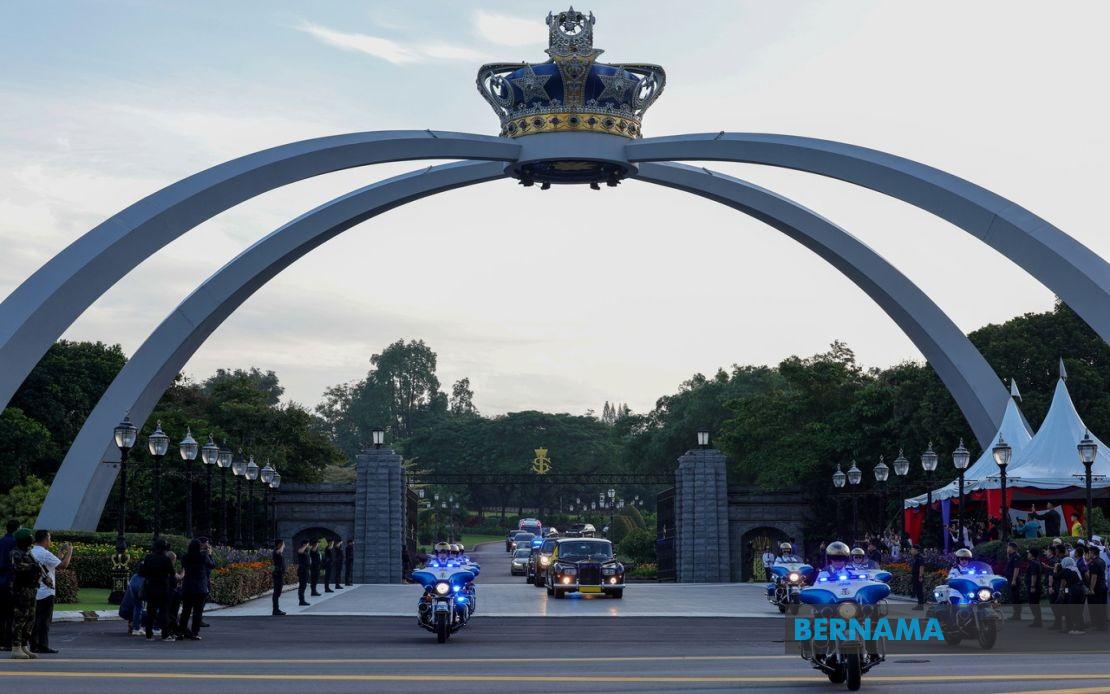
A new Menteri Besar for Johor is set to take the oath of office this afternoon at Istana Bukit Serene, marking the formal transition of power following the state's decisive electoral outcome. The swearing-in ceremony is scheduled for 3 pm, with media access granted from the Crown Arch entrance to the palace compound in Johor Bahru. The announcement came through an invitation distributed via WhatsApp by the Johor Palace, confirming the date and time but conspicuously withholding the name of the incoming chief minister.
The identity of Johor's next Menteri Besar has been kept under wraps despite weeks of speculation and political manoeuvring. This deliberate secrecy reflects the delicate nature of leadership transitions within Malaysian state governments, where formal appointments often follow careful negotiations and consultations within the ruling coalition. The palace's decision to maintain discretion until the ceremonial moment underscores the protocol that surrounds such constitutional appointments in Malaysia's constitutional monarchies.
Barisan Nasional achieved an overwhelming mandate in Johor's state election yesterday, securing 48 seats out of 56 contested positions. This commanding victory provided the coalition with a substantial majority and clear legitimacy to form the next state government. The scale of BN's win positions Johor as a crucial pillar of support for the federal ruling coalition, particularly given the state's strategic importance as one of Malaysia's most populous and economically significant regions.
Earlier in the day, Sultan Ibrahim Iskandar received Barisan Nasional chairman Datuk Seri Ahmad Zahid Hamidi at Istana Pasir Pelangi for a formal audience. The meeting, lasting approximately one hour, included Johor BN chairman Datuk Onn Hafiz Ghazi. These pre-swearing-in consultations between the palace and party leadership are standard constitutional practice, allowing the Sultan to formally confirm the selection of the incoming Menteri Besar before the public ceremonial appointment. Such audiences demonstrate the ceremonial oversight that Johor's monarchy exercises over the executive branch of state government.
The gathering of media personnel since noon at the Menteri Besar's official residence in Saujana and outside Istana Bukit Serene's gates illustrates the significant public interest surrounding the appointment. Journalists positioned themselves strategically to capture developments as they unfold, reflecting how leadership transitions in Malaysian states attract considerable political attention. The timing and logistics of the ceremony suggest orchestrated media management by the palace, controlled visibility designed to present an orderly transition of power.
For Malaysian observers, Johor's political developments carry implications extending well beyond the state's borders. As the country's second-largest state by population and a major economic contributor, Johor's governance direction influences broader national political dynamics. A stable, BN-led administration in Johor strengthens the federal government's position and provides additional leverage in national coalition politics. Conversely, any governance challenges in the state could ripple through federal-level calculations.
The appointment process also reflects how Malaysia's constitutional framework balances democratic elections with monarchical authority. While voters determined which party should govern Johor, the Sultan retains the constitutional prerogative to assess whether the incoming Menteri Besar commands the confidence of the state assembly. This system, derived from Westminster traditions, means formal appointment remains a distinct step following electoral victory, though in practice the electoral outcome usually determines the outcome.
The ceremony at Istana Bukit Serene will follow protocols established through decades of Johor constitutional practice. The swearing-in oath represents the moment when executive authority formally transfers, conferring upon the incoming Menteri Besar the powers to head the state government and chair the Exco. This ceremonial dimension, while sometimes overlooked in discussions of political outcomes, carries genuine constitutional significance and marks the definitive moment of power transfer.
For Johor residents and Malaysian political observers alike, the afternoon ceremony concludes weeks of electoral activity and political uncertainty. The state has now completed its electoral cycle and stands ready to enter a new governance phase under BN leadership. The challenge ahead for the incoming administration will be translating electoral mandate into effective governance, addressing accumulated state concerns from the previous term, and delivering on campaign commitments that secured such a substantial majority.

