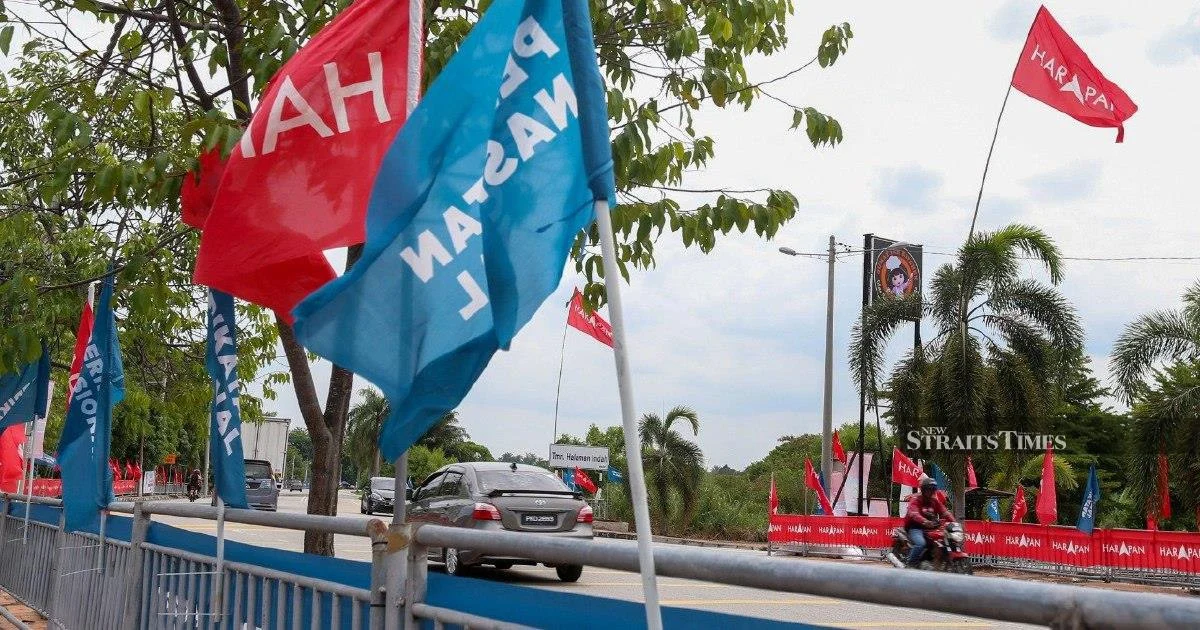
The 16th Johor state election officially entered its nomination phase today, with candidates filing their papers across all 56 constituencies in the southern state. This marks the formal commencement of Malaysia's electoral machinery in Johor, a politically significant state that has long been considered a bellwether for national politics and a stronghold for various political coalitions over recent decades.
Nomination day represents the critical juncture where political parties and independent candidates formally declare their intention to contest, submitting required documentation and meeting statutory deadlines. The scope of this election—covering every single state constituency simultaneously—underscores the comprehensive nature of the electoral exercise and the scale of logistical coordination required by the Election Commission.
Johor occupies a unique position within Malaysia's political landscape. As one of the most populous states and traditionally a significant source of parliamentary seats, its state elections often attract national attention and reflect broader political trends shaping the country. The constituencies up for grabs range from urban centres to rural areas, each presenting distinct demographic profiles and voter preferences that shape campaign strategies.
The filing of nominations marks the official beginning of the campaign period, during which candidates will canvas voters, present their manifestos, and seek public support through various means. Political parties typically intensify their grassroots activities during this window, while media coverage of campaigns heightens public awareness about the electoral contest.
With 56 constituencies participating simultaneously, this election represents a substantial democratic exercise affecting millions of Johor residents. The number of candidates contesting—whose exact figures would emerge once nomination papers are fully processed—often reflects the level of political competition and the viability parties perceive in various constituencies. Some seats typically attract multiple candidates from different coalitions, while others may be uncontested if parties cede ground strategically.
The nomination process itself involves scrutiny by election officials to ensure all candidates meet constitutional requirements, including citizenship, age qualifications, and freedom from disqualification grounds. This verification process, while routine, remains essential to the electoral framework's integrity and ensures only eligible candidates proceed to the polling phase.
For Malaysian and Southeast Asian observers, Johor elections merit attention beyond their immediate state-level significance. Malaysia's federal system means state governments wield considerable power over development policies, local governance, and resource allocation. The outcome in Johor therefore influences not just state-level politics but often carries implications for national government formation and coalition stability at the federal level.
The political composition of Johor's state assembly influences which coalition commands majority support in the state, determining who forms the government and controls the state executive. This has proven consequential in recent years, with Johor experiencing shifts in political control that reflected broader national sentiment and coalition realignments. The current election thus offers voters opportunity to reshape state governance and potentially signal their preferences on national issues through state-level voting.
Campaign dynamics in Johor elections are shaped by several factors unique to the state. Its geography spans urban centres like Johor Baru with cosmopolitan electorates, rural constituencies with traditional voter patterns, and mixed urban-rural seats where swing voting often determines outcomes. Economic concerns, development priorities, and social issues resonate differently across these varied constituencies, requiring nuanced campaign approaches.
The election also unfolds amid Malaysia's broader political context, where coalition configurations, legislative priorities, and governance challenges at federal level often intersect with state-level contests. Johor voters are simultaneously assessing state-specific governance records while being influenced by national political narratives and party performance at federal level.
Election Commission officials will now process all nomination papers, verify candidate eligibility, and announce final candidate lists. The subsequent campaign period will see intense political activity as parties mobilise supporters, organisational structures activate across constituencies, and candidates engage with electorates. Media coverage, public forums, and grassroots engagement will intensify during this phase, giving voters multiple opportunities to assess candidates and party platforms.
The timeline from nomination day through to polling day represents the formal democratic process through which Johor's electorate will exercise its constitutional right to choose representatives. This election cycle reaffirms Malaysia's democratic traditions of regular competitive elections where political power is determined through popular suffrage rather than appointment or inheritance.
As campaigns take shape across the 56 constituencies in coming weeks, attention will focus on which parties gain momentum, how voter sentiment crystallises around key issues, and ultimately whether existing political arrangements in Johor survive electoral scrutiny or face transformation through democratic choice.

