The nomination phase of Johor's 16th state election came to a close this morning when all 56 nomination processing centres (PPC) across the state ceased accepting candidate registrations at 10am. The final hour of the one-hour submission window—which ran from 9am—saw returning officers at each centre announce the formal closure of proceedings, signalling the transition to the next phase of the electoral calendar.
With nominations now concluded, the Election Commission's attention shifts to compiling and announcing the official roster of eligible candidates along with the breakdown of how many contenders will compete for each of the state seats up for grabs. This administrative step forms a crucial juncture, as it determines the competitive landscape that will take shape over the coming weeks and provides voters with clarity on who represents their choices at the ballot box.
The campaign period, which now commences, will span a full 14 days and extends through to 11.59pm on July 10, as stipulated by the Election Commission. This extended window gives political parties and independent candidates substantial time to mount their campaigns, engage with constituents, and mobilise their support networks across Johor's diverse electoral landscape. The campaign phase represents the critical period during which candidates articulate their visions, address voter concerns, and attempt to build momentum heading into polling day.
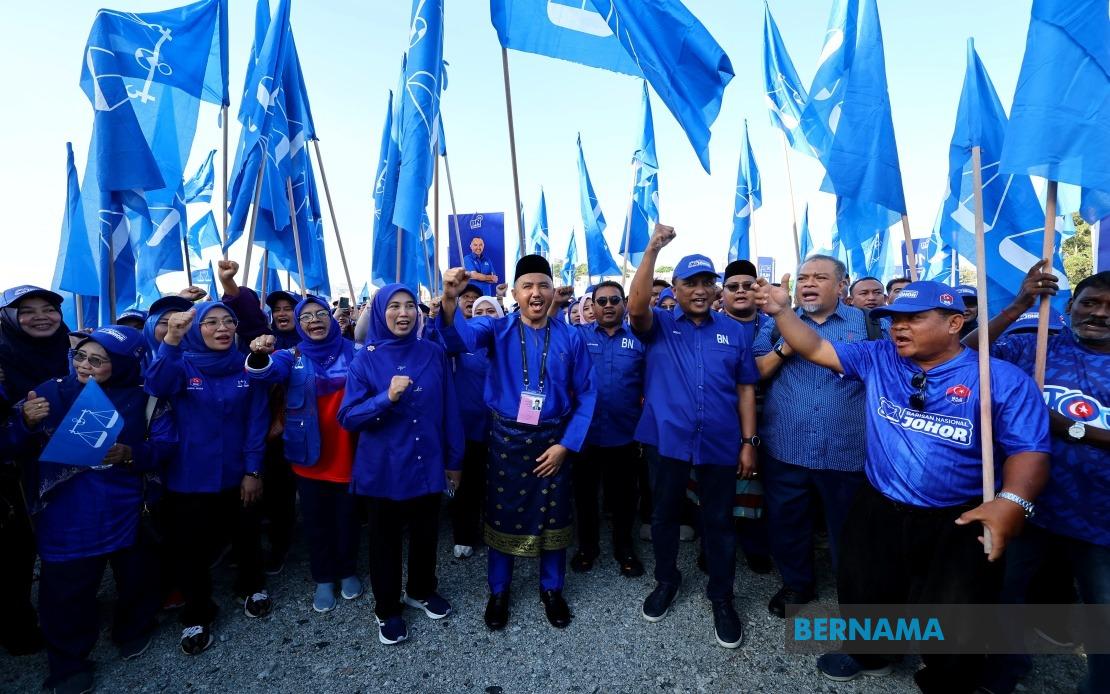
Throughout the nomination process at various centres, political party supporters actively accompanied their respective candidates to the registration venues, creating scenes of organised partisan activity. However, despite this visible political mobilisation, the overall atmosphere at the 56 locations remained markedly calm and orderly. There were no reports of confrontational incidents or provocative behaviour between competing factions, a testament to the maturity demonstrated by participants and the effectiveness of security measures deployed across the state.
The law enforcement and security apparatus played a significant role in maintaining this orderly environment. The police force (PDRM) positioned officers at all nomination centres, whilst the People's Volunteer Corps (RELA) provided supplementary security assistance. The coordinated presence of these bodies ensured that the nomination process proceeded without disruption, underscoring how Johor's electoral machinery functioned smoothly during this initial and critical phase.
The timeline for subsequent electoral milestones has been clearly established by the Election Commission. Early voting is scheduled for July 7, providing registered voters who may face difficulties on polling day with an alternative opportunity to cast their ballots. The main polling day will occur on July 11, marking the culmination of the campaigning efforts undertaken by all candidates and the moment when voters across Johor will exercise their democratic choice.
The electoral register for this state election reflects Johor's substantial population size and diverse demographic composition. A total of 2,727,926 voters are eligible to participate, comprising 2,703,175 ordinary civilian voters. This base is supplemented by 12,041 military personnel and their spouses, plus an additional 12,710 police personnel and their spouses, all of whom hold the right to vote. This expansive electorate demonstrates the scale of participation that the state electoral machinery must accommodate, highlighting the significant organisational challenge involved in conducting a smooth and credible election.
The incorporation of military and police voters within the electoral framework represents a longstanding practice in Malaysian state elections, recognising the citizenship rights of these uniformed personnel. Their inclusion within the voting public, alongside civilian voters, creates a comprehensive electoral base that spans multiple segments of Johor society. This breadth of voter participation, whilst adding logistical complexity, ultimately strengthens the legitimacy of the democratic process by ensuring that all eligible citizens have their voices heard.
For Malaysian observers and regional political analysts, the Johor state election holds particular significance given the state's economic prominence and political influence within the broader Malaysian context. As one of the most populous and economically dynamic states on the Peninsula, outcomes in Johor typically reverberate across national political calculations. The smooth conclusion of the nomination process suggests that the electoral machinery is functioning effectively, establishing positive conditions for the conduct of a credible election that will command public confidence.
The transition from nomination to campaign represents a natural inflection point in the electoral cycle, where political activity intensifies and candidates shift from the administrative task of registration to the substantive work of persuasion and engagement. Over the coming two weeks, Johor's political landscape will be characterised by intensified activity as candidates traverse constituencies, participate in public forums, and deploy their campaign strategies. The calm and orderly manner in which nominations concluded provides grounds for optimism that this campaign phase will likewise proceed without significant incident.

