The nomination process for Johor's 16th state election unfolded without incident on June 27, as candidates formally registered at all 56 designated centres throughout the state. The seamless execution marked a significant milestone in the electoral cycle, with authorities reporting no disruptions or breaches of public order during the day-long registration period. The successful administration underscored the Election Commission's preparedness and the coordination between multiple government agencies overseeing what is a critical juncture in any state election campaign.
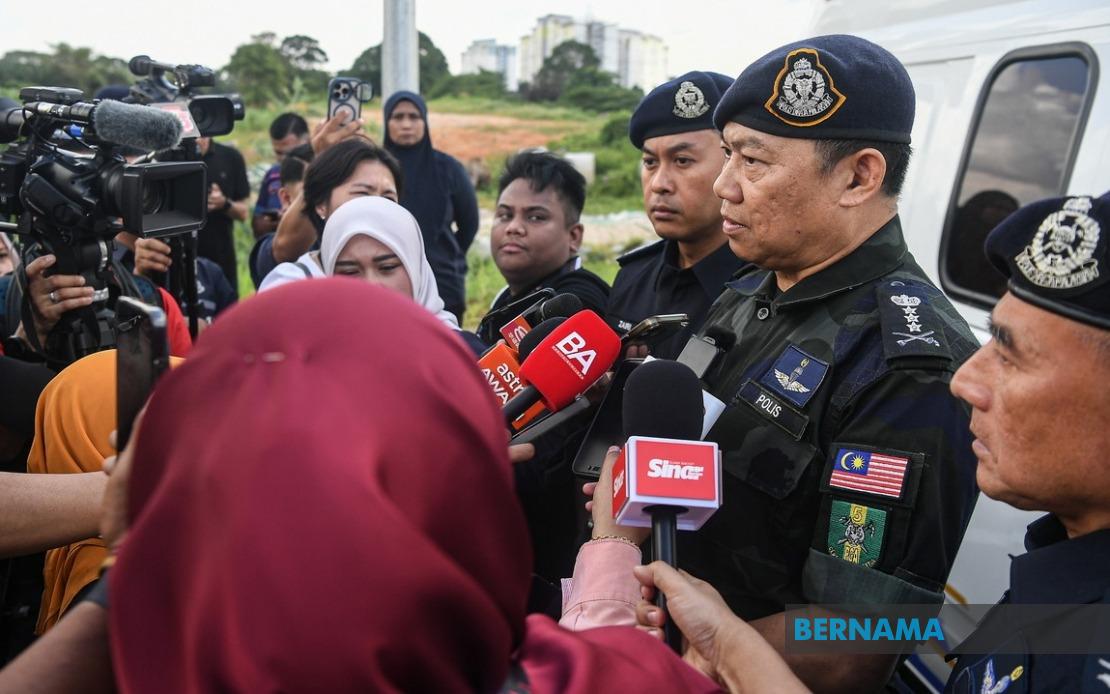
State police chief Datuk Ab Rahaman Arsad confirmed that his department fielded no reports of disturbances or irregularities across the nomination venues. This transparent assessment from law enforcement provides important reassurance to the electorate and political stakeholders that the electoral process is proceeding according to constitutional and legal frameworks. For Malaysian voters, a smooth nomination phase typically sets the tone for the broader campaign period, signalling that the machinery governing the contest functions reliably even under the pressures of competitive politics.
The police deployment was substantial in scale, with 4,832 officers and personnel positioned throughout Johor to maintain order and security. This mobilisation represents a significant commitment of state resources, reflecting the importance authorities attach to ensuring the integrity of electoral processes. The visible presence of uniformed personnel at nomination centres serves multiple functions: it reassures organisers and candidates that the state can manage large gatherings, it signals to potential troublemakers that disruption will not be tolerated, and it demonstrates to the public that elections operate under appropriate oversight. Such deployments are now standard practice in Malaysian elections, though the specific number deployed varies depending on the scale and historical context of each contest.
Toward the campaign phase itself, police had already approved 26 campaign permits across the state by the time of Ab Rahaman's statement, with expectations that additional permits would be granted as the formal campaign period progresses. This permit system represents a regulatory mechanism unique to Malaysian electoral contests, allowing authorities to monitor and coordinate campaign activities while also placing boundaries on how and where political messaging can occur. For candidates and their teams, securing these permits is a procedural necessity, and the steady issuance suggests administrative processes are functioning as intended. The mechanism has long been debated by civil liberties advocates, but remains a fixture of Malaysia's electoral landscape.
Police also took the occasion to remind all contesting parties and candidates of their obligations to conduct campaigns responsibly and in accordance with election laws. Ab Rahaman's public statement served as both guidance and subtle warning, establishing clear expectations before the more intensive period of campaigning begins. This messaging is particularly relevant in Johor, a state with a complex political history and significant electoral competitiveness. The reminder encompasses multiple dimensions: adherence to permitted campaign locations and timing, avoidance of inflammatory rhetoric, proper conduct of canvassing activities, and respect for rival candidates and their supporters.
The police chief further cautioned against any actions that might compromise public order or security during the campaign period. This warning acknowledges an underlying reality: electoral competitions in Malaysia, while generally orderly compared to contests in many democracies, occasionally generate tensions that can escalate if not carefully managed. Campaign rallies, street-to-street canvassing, and competing messages can create flashpoints, particularly if participants from rival camps encounter each other in contested areas. By signalling that security forces are prepared to intervene firmly against threats to order, authorities aim to establish a deterrent against potentially disruptive behaviour while maintaining the democratic space necessary for electoral competition.
The Johor election's timeline now comes into sharper focus following the successful nomination day. The Election Commission has established July 7 as the date for early voting, a provision that allows registered voters who expect to be absent on polling day to cast ballots in advance. Early voting mechanisms have become increasingly important in Malaysian elections as workforce mobility increases and more voters find themselves outside their home constituencies during election periods. Early voting also serves administrative purposes, distributing the voting burden across multiple days and reducing logistical pressure on polling day itself.
Polling day itself is scheduled for July 11, giving candidates and their campaigns approximately two weeks to conduct their outreach and persuasion efforts. This window is relatively brief in global comparative terms, but aligns with practice in Malaysia and reflects the compressed campaign periods typical of the Malaysian electoral system. The compressed timeline means that campaign intensity accelerates quickly; candidates must identify target voters, convey their messages, and attempt to mobilise support within a concentrated period. For a state the size of Johor, which encompasses diverse urban, suburban, and rural constituencies, this compression poses genuine logistical challenges for campaign operations.
The successful administration of Johor's nomination day carries implications beyond the state itself. As one of Malaysia's largest and most politically significant states, Johor elections often influence broader national political narratives. The smooth conduct of this nomination process, combined with the heavy security apparatus and clear regulatory frameworks in evidence, suggests that the state-level electoral machinery is functioning as designed. For Malaysian observers and international monitors alike, the absence of irregularities or disruptions during nomination day provides baseline confidence that subsequent phases of the election can proceed with similar order and professionalism.
Looking forward, the nomination process completion marks the transition from administrative preparation to genuine political competition. Candidates now have concrete confirmation of their opponents and the specific constituencies they will contest. Campaign teams can shift focus from registration logistics to strategic messaging and voter mobilisation. The regulatory environment is now clearly established, with police having signalled both the availability of security resources and the boundaries within which campaigns must operate. For voters, the formal campaign launch signals the beginning of the decision-making period, during which they will evaluate candidates and parties before casting their votes on July 11.

