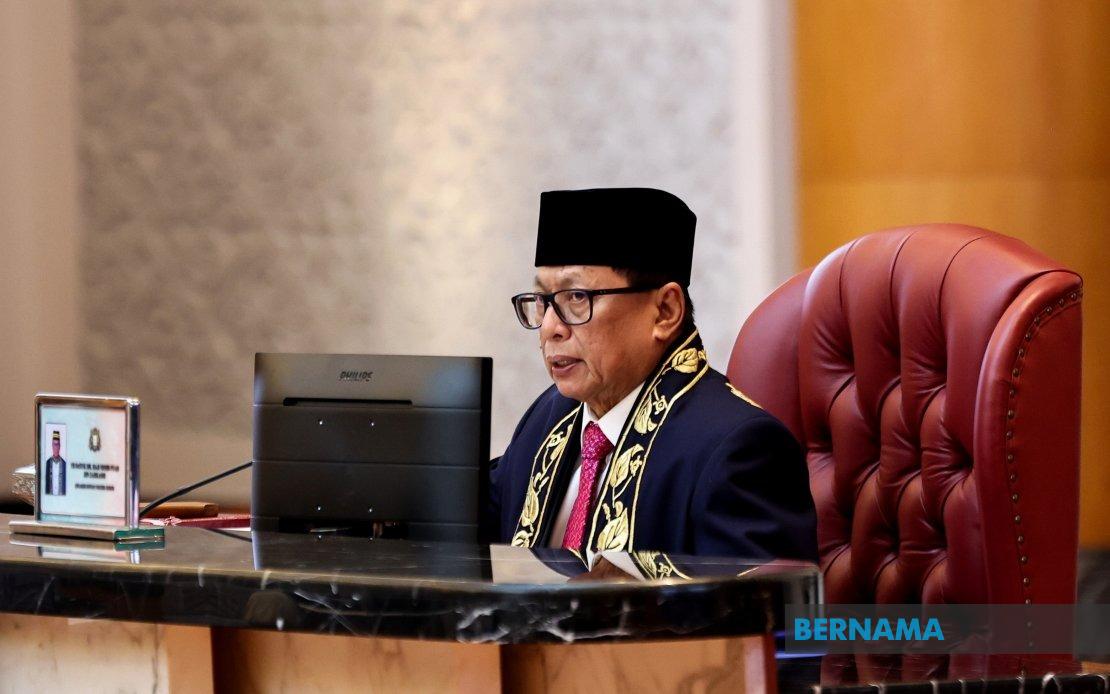
Datuk Dr Mohd Puad Zarkashi, who has served as the Rengit assemblyman and speaker of the Johor State Legislative Assembly, will not contest his seat in the upcoming state election scheduled for July 11. The 69-year-old legislator disclosed his decision through a Facebook statement released on June 17, confirming what he said was a carefully considered choice made over the past year.
The timing of Mohd Puad's announcement comes shortly after he notified key party figures of his intentions. He informed UMNO president Datuk Seri Dr Ahmad Zahid Hamidi and Johor UMNO chairman Datuk Onn Hafiz Ghazi approximately two weeks prior to going public with the decision. This measured approach suggests the move was coordinated within party structures and reflects the leadership transition being managed by UMNO ahead of the election cycle.
Age represents the defining factor behind Mohd Puad's decision to step back from electoral politics. At his current age of 69, he would reach 74 years old within the next five years—a milestone he believes exceeds an appropriate threshold for continuing to contest for state office. This reasoning reflects a broader demographic shift within Malaysian politics, where some established figures are voluntarily creating space for newer generations within their parties' electoral machinery.
The outgoing legislator articulated a vision for generational renewal, explicitly advocating that candidates aged 50 and below should receive greater opportunity to pursue state assembly seats. His framing positions the move not as a withdrawal but as a strategic choice to strengthen UMNO's future electoral prospects through demographic diversification. By stepping aside, Mohd Puad argued, Datuk Onn Hafiz would be better positioned to lead a younger contingent of candidates while maintaining continuity in state administration.
Beyond the question of his own candidacy, Mohd Puad has contributed to internal party discussions about candidate selection criteria. He proposed that future UMNO hopefuls should demonstrate educational attainment, moral integrity, unwavering commitment to party principles, and comprehension of the nation's strategic direction. These qualifications signal an attempt to elevate standards within the selection process, moving beyond purely factional or geographical considerations that have sometimes dominated candidate recruitment in Malaysian state politics.
During his tenure representing Rengit, Mohd Puad secured a relatively comfortable victory in the 2022 Johor state election, winning by a margin of 1,920 votes. That result indicated solid constituency support, making his voluntary departure somewhat notable—he would likely have faced favorable odds in a competitive race. His decision thus underscores the weight he assigns to age-related considerations and the perceived necessity of accelerating leadership transitions within the party.
The procedural timeline for the Johor election provides context for his announcement. With nomination day set for June 27, Mohd Puad has indicated his intention to complete outstanding administrative matters requiring his attention before the filing deadline passes. This transition period will allow him to hand over his responsibilities as speaker and resolve any constituency-related business pending before new representatives assume office following the July 11 polling.
Mohd Puad's acknowledgment of institutional relationships reflects his tenure's scope and standing. He expressed gratitude to His Majesty Sultan Ibrahim, King of Malaysia, for granting consent to his appointment as Johor speaker—a position that elevated his profile beyond typical assemblyman status. He also recognized the sustained support of Rengit constituents over his period of service, framing his departure as a transition rather than a rupture with the community he represented.
The Rengit vacancy creates both opportunity and risk for UMNO in Johor. The seat's relatively secure electoral position in 2022 suggests it remains within the party's competitive reach, yet the loss of an incumbent speaker carries symbolic weight. The selection of Mohd Puad's successor will telegraph UMNO's commitment to candidate renewal and its confidence in emerging party figures. Datuk Onn Hafiz's leadership will be tested in navigating this transition while maintaining the seat's electoral strength.
For broader Malaysian politics, Mohd Puad's departure exemplifies a quiet reshuffling occurring within UMNO's state-level apparatus. Unlike high-profile national retirements or contentious deselections, his voluntary step-back represents consensual generational management within party structures. Whether this pattern extends across multiple constituencies remains to be seen, but it suggests that some established UMNO figures recognize the necessity of creating advancement pathways for younger politicians seeking elected office.
The July 11 election will reveal whether Datuk Onn Hafiz's team can sustain UMNO's hold on Johor state government while integrating new candidates into competitive seats. Mohd Puad's withdrawal removes an experienced legislator from the assembly but potentially strengthens the narrative that UMNO is deliberately modernizing its political bench. His successor in Rengit will inherit a seat with demonstrated electoral viability, though the symbolic loss of an established speaker may require compensating gains elsewhere for UMNO to maintain its parliamentary majority.

%22%2F%3E%3C%2Fpattern%3E%3C%2Fdefs%3E%3Crect%20width%3D%22100%25%22%20height%3D%22100%25%22%20fill%3D%22url(%23ph1354vg)%22%2F%3E%3Crect%20width%3D%22100%25%22%20height%3D%22100%25%22%20fill%3D%22url(%23ph1354vp)%22%2F%3E%3Ctext%20x%3D%2250%25%22%20y%3D%2250%25%22%20text-anchor%3D%22middle%22%20dominant-baseline%3D%22central%22%20fill%3D%22rgba(255%2C255%2C255%2C0.95)%22%20font-family%3D%22Georgia%2C%20'Times%20New%20Roman'%2C%20serif%22%20font-weight%3D%22700%22%20font-size%3D%22320%22%20letter-spacing%3D%22-0.02em%22%3EGRS%3C%2Ftext%3E%3C%2Fsvg%3E)