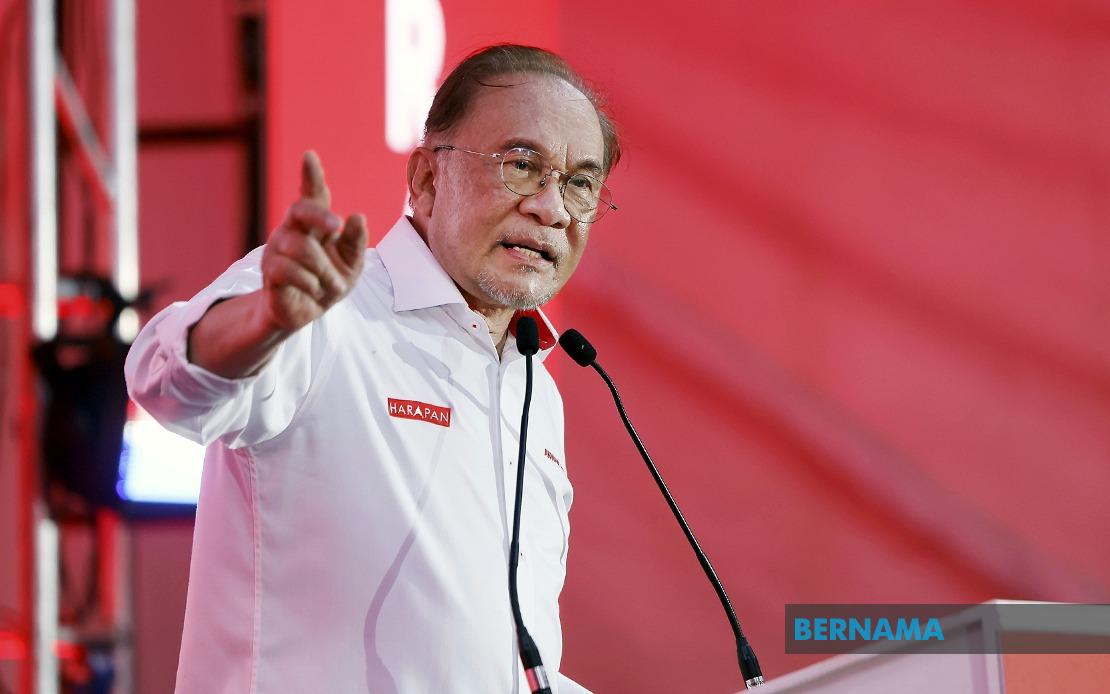
Prime Minister Datuk Seri Anwar Ibrahim has made a direct appeal to Johor voters to support political representatives who combine wisdom with decisiveness and genuine understanding of public sentiment. Speaking through a video message on his official Facebook page, the Pakatan Harapan chairman emphasised that the coming state election represents a crucial opportunity for Johor to move beyond conventional politics and select leaders capable of driving meaningful progress.
Anwar's message struck a note of urgency about the qualities required in elected representatives at this juncture. He stressed that voters should prioritise candidates who can assess competing priorities with clear thinking, demonstrate the fortitude to make tough decisions, and maintain authentic connection with ordinary citizens. This framing suggests PH views the election as a referendum not merely on party affiliation but on the calibre of governance that Johor residents deserve.
The coalition's campaign strategy centres on a promise to amplify the voices of ordinary Johoreans in policy-making. Anwar outlined PH's commitment to defending Johor's specific interests while simultaneously advancing the broader Malaysian national agenda. This dual commitment reflects the tension many state-based politicians navigate: serving local constituents while aligning with federal programmes and resources. For Johor, a state with significant economic clout and strategic importance, such balance becomes particularly consequential.
Anwar's vision for Johor emphasises inclusive development that transcends communal divisions. By explicitly referencing Malays, Chinese and Indians working collectively to build the nation and elevate Johor's standing, he positioned PH as an advocate for multiracial cooperation and shared prosperity. This messaging becomes particularly relevant given Johor's history as a bellwether state in Malaysian politics, where communal sensitivities often determine electoral outcomes.
To translate this message into tangible campaign momentum, PH has mobilised considerable resources from the outset. On the first day of campaigning, Anwar himself conducted seven separate programmes across different areas of Johor Bahru, combining traditional grassroots engagement methods such as community meetings, public talks and informal interactions with residents. This intensive schedule reflects a recognition that visible leadership presence during elections shapes voter perception of a party's seriousness and commitment.
The coalition's candidate slate demonstrates strategic allocation across its component parties. Pakatan Harapan has fielded contenders for all 56 state constituencies, with the People's Justice Party fielding 20 candidates, the Islamic Party of Malaysia's Amanah faction contributing 19 and the Democratic Action Party providing 17. This distribution reflects both the parties' respective organisational strengths in different regions and their effort to present a unified front despite their ideological differences.
The competitive landscape for Johor's 56 seats encompasses a substantial field of aspirants. With 172 candidates from multiple parties contesting the available seats, voters will face meaningful choices across most constituencies. This diversity of candidates can be interpreted positively as evidence of democratic vitality, though it also increases the complexity of voter decision-making and potentially splinters support among candidates with similar platforms.
The electoral timeline creates clear milestones for the campaign. Early voting has been scheduled for July 7, allowing shift workers and those with mobility constraints an opportunity to participate before the main polling day on July 11. This staggered approach to voting reflects lessons learned from previous elections regarding voter accessibility and inclusivity. The compressed campaign period between the announcement date and polling day means that both PH and opposition parties must execute their strategies with particular efficiency.
For Malaysian observers, the Johor election holds significance beyond state boundaries. As a prosperous, commercially important state with a diverse demographic composition, Johor's electoral verdict offers insights into broader national political trends. The state has historically served as a testing ground for political strategies later applied at the federal level, making its polling results closely watched by political analysts and international observers tracking Malaysia's democratic evolution.
Anwar's emphasis on intelligent, courageous leadership also subtly repositions PH's election narrative. Rather than relying solely on performance records or policy promises, the coalition appeals to voters' aspirations for better quality governance overall. This approach acknowledges public frustration with political mediocrity and graft while framing PH as the vehicle for elevating political standards. Whether this message resonates sufficiently to overcome entrenched opposition support in various constituencies will become apparent on July 11.

