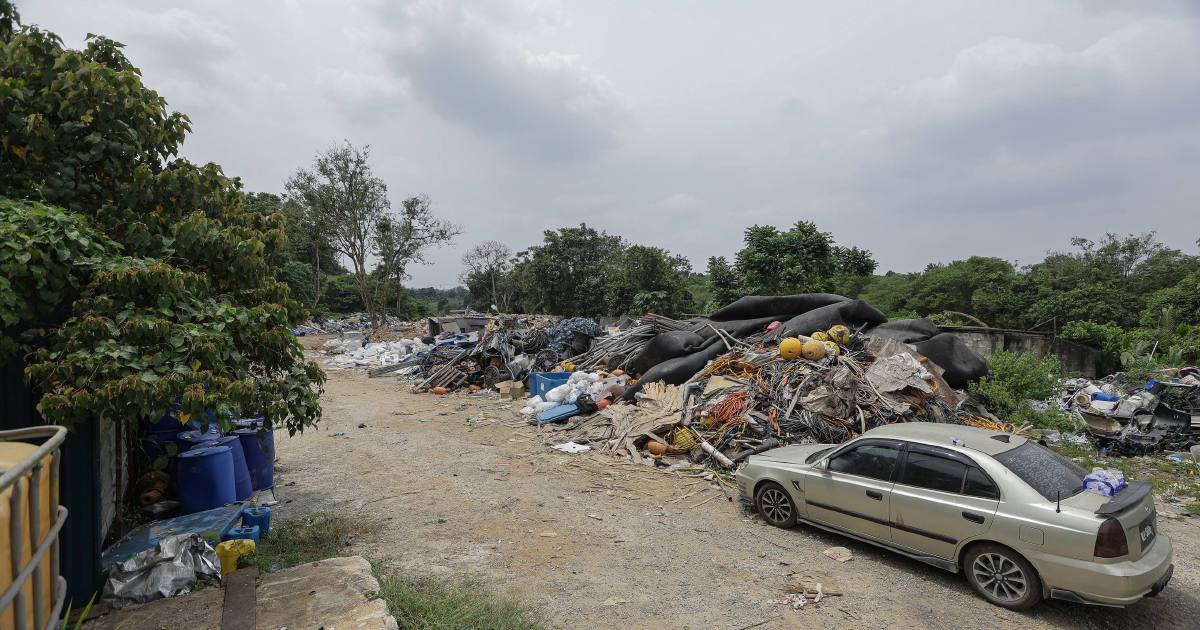
The state government of Johor is moving decisively to address environmental concerns in the Pontian district by establishing a multi-agency task force charged with investigating persistent allegations that construction waste originating from Singapore has been deposited at multiple locations within the state. The formation of this specialized unit represents a significant escalation in Johor's response to what environmental observers have characterized as potential illegal transboundary waste trafficking, a practice that threatens both the state's environmental integrity and its relationship with neighbouring Singapore.
The geographical proximity between Pontian and Singapore, coupled with the rapid pace of construction activity in Singapore's urban renewal projects, has made Johor's southern districts vulnerable to illicit waste disposal practices. Construction debris, including concrete rubble, timber, metals, and other byproducts of demolition and building work, presents both environmental and health hazards when deposited without proper treatment or containment. Pontian, being one of Johor's gateway districts to Singapore and possessing substantial agricultural and residential areas, faces particular vulnerability to such activities if proper oversight mechanisms are not in place.
The task force initiative reflects growing awareness among Malaysian authorities regarding the sophistication of regional waste trafficking networks. Rather than treating this as an isolated incident, the comprehensive investigation framework signals an understanding that construction waste dumping may represent a systemic challenge requiring coordinated enforcement across multiple government departments. By pooling expertise and resources from various agencies, Johor authorities aim to establish both the scope of historical dumping and implement preventive mechanisms for the future.
From a broader Southeast Asian context, this development highlights the regulatory challenges that smaller, densely populated jurisdictions like Singapore face in managing construction waste generated by rapid urban development. Construction and demolition waste represents one of the largest waste streams in developed urban areas, with Singapore's ongoing urban renewal initiatives and infrastructure projects producing substantial volumes annually. Rather than processing all this waste domestically, economic incentives may encourage some operators to seek cheaper disposal options across national borders, making neighbouring jurisdictions like Johor convenient alternatives.
The alleged dumping locations mentioned in the investigation trigger immediate concerns about groundwater contamination, soil degradation, and disruption to agricultural productivity in Pontian. The district has traditionally relied on agriculture and agro-based industries as significant economic pillars, and environmental degradation from construction waste could undermine this sector's long-term viability. Additionally, accumulated waste at multiple sites creates visual pollution and potential fire hazards, affecting property values and residents' quality of life.
From an enforcement perspective, this investigation will test the robustness of existing bilateral environmental agreements and transboundary waste management protocols between Malaysia and Singapore. Currently, both nations operate under various memoranda of understanding covering environmental cooperation, though specific provisions addressing construction waste trafficking may require strengthening. The task force's findings could catalyze discussions for more robust regulatory frameworks and information-sharing mechanisms between the two governments' environmental and customs authorities.
The multi-agency approach anticipated in Johor's task force likely encompasses participation from the state environmental department, local authorities in Pontian, the Federal Department of Environment, and possibly enforcement agencies with jurisdiction over port activities and border areas. Such coordination is essential for tracing the origin of dumped waste, identifying responsible parties on both sides of the border, and gathering evidence suitable for potential prosecution under Malaysia's Environmental Quality Act and related legislation.
Beyond immediate enforcement considerations, the task force's work will provide invaluable data on the scale of the problem. Understanding how much waste has been deposited, its composition, and the timeline of dumping activities will inform resource allocation for cleanup operations and remediation efforts. Such intelligence could also guide preventive strategies, including enhanced monitoring of key disposal sites and stricter permits for construction waste handlers operating near the Singapore-Johor border.
For Malaysia's broader environmental governance agenda, this investigation carries implications for how the country manages transboundary pollution and waste challenges. As Southeast Asia's most economically developed region, the Singapore-Johor corridor faces intensifying pressure from cross-border environmental externalities. Johor's proactive response demonstrates that Malaysian authorities are willing to confront such issues directly, a stance that could set precedents for addressing similar challenges in other border regions.
The establishment of this task force also signals to Singapore's regulatory bodies and private sector operators that Malaysia will enforce its environmental laws rigorously against external waste dumping. This messaging function may prove as valuable as the investigation itself, potentially deterring future attempts at illegal disposal by raising the perceived risks and costs of such activities. Operators considering cross-border waste trafficking must now account for coordinated Malaysian enforcement responses and potential diplomatic consequences.
Stakeholders in Pontian, particularly agricultural communities and small businesses dependent on environmental quality, await findings from the task force investigation with considerable interest. Remediation of dumped sites and prevention of future incidents will directly impact their economic interests and living conditions. The investigation's outcome could catalyze discussions about environmental liability frameworks and compensation mechanisms for communities harmed by cross-border pollution.
Looking forward, Johor's investigation may contribute to a broader regional discussion about construction waste management standards and circular economy principles in Southeast Asia. As all countries in the region intensify infrastructure development, collectively managing the resulting waste streams through intra-regional cooperation rather than externalization across borders could emerge as an important governance priority. This Pontian case study, though concerning, offers an opportunity to establish more effective mechanisms for ensuring that development in one jurisdiction does not impose environmental costs on neighbours.

