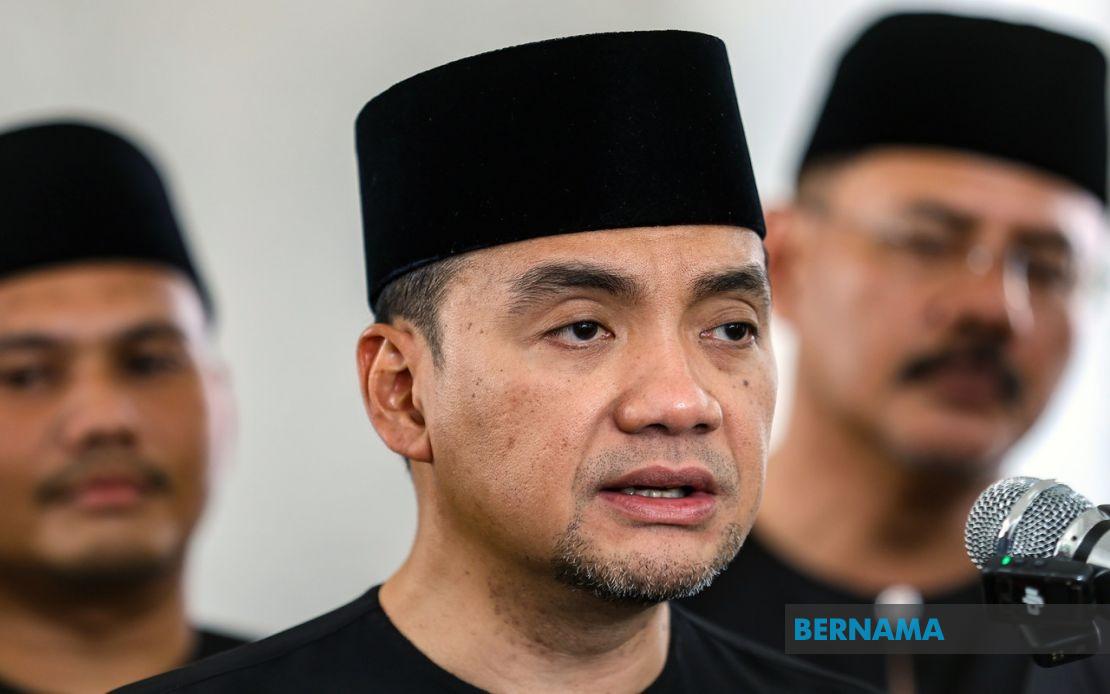
The Johor state government has rolled out a fresh initiative aimed at reinvigorating evening mosque activities, building on previous efforts to strengthen congregational worship across the state. Semarak Maghrib and Isyak, formally launched this month, seeks to deepen the culture of attending sunset and night prayers in congregation, turning mosques into vibrant community hubs that extend beyond prayer times into knowledge-sharing and spiritual enrichment.
Menteri Besar Datuk Onn Hafiz Ghazi framed the programme as part of the state administration's broader vision to position mosques as multifunctional centres serving not merely as places of worship but as platforms for Islamic learning, community bonding, and the transmission of Islamic values to the broader population. This approach reflects a deliberate strategy to make religious institutions more central to public life in Johor, rather than relegating them to purely devotional functions. The initiative carries particular significance in a state where such programmes can shape social cohesion and community identity.
The timing and scope of the launch suggest alignment with electoral commitments. Onn Hafiz acknowledged that the programme fulfils a pledge made during the 16th Johor state election campaign under the Barisan Nasional manifesto, underscoring how religious and social initiatives increasingly feature in Malaysian electoral strategies. This pattern reflects broader political recognition that mosque-centred activities resonate with voters and demonstrate government commitment to religious and moral leadership.
The expansion follows a preceding push to promote Subuh, or dawn congregational prayers, which the state had previously championed as part of its spiritual revitalisation agenda. By extending this effort to Maghrib and Isyak prayers, Johor is creating a more comprehensive framework encouraging daily mosque visits across multiple prayer times. The decision to add evening prayers particularly may reflect observations that attendance at these times tends to be lower than at dawn prayers, especially among working populations and younger demographics.
The inaugural programme held at Masjid Jamek As-Syakirin in Bukit Saujana incorporated educational components beyond mere prayer gatherings. A discourse on the 40 Hadith, specifically addressing intention as the foundation of righteous action, was delivered by the Johor Bahru district kadi Mohd Zaini Mohd Salleh. Such thematic lectures, paired with recitation of Quranic passages like Surah Al-Mulk, transform mosque activities into occasions for theological learning and spiritual reflection rather than routine observance.
For Southeast Asian context, this initiative reflects how Malaysian states are adapting governance strategies that blend religious values with modern administration. Unlike purely secular policy frameworks, Johor's approach leverages Islamic teachings to encourage civic participation and community formation. This model has proven politically effective in Malaysia, where Islamic governance credentials can enhance a state administration's legitimacy among Muslim-majority constituencies.
The programme's framing around "syiar Islam"—the propagation and manifestation of Islamic values in public life—carries implications beyond religious practice. It signals an effort to create visible, robust Islamic institutional presence in Johor's urban and suburban landscapes. Mosques that operate only during prayer times project a different message than those functioning as dynamic community anchors with regular activities, social services, and educational programmes.
Onn Hafiz's appeal to Muslims to "support" the initiative by ensuring mosque attendance also illustrates how government programmes operate in partnership with community volition. State initiatives can provide frameworks and resources, but sustained success depends on individuals choosing to participate. This voluntary dimension distinguishes programmes like Semarak Maghrib and Isyak from purely top-down administrative directives.
The choice of evening prayers holds practical and symbolic importance. Maghrib and Isyak fall during hours when working professionals and students might feasibly attend, unlike Subuh prayers which require early morning commitment. Simultaneously, evening mosque gatherings can generate visible activity and social presence precisely when urban areas are transitioning between work and leisure, potentially normalising mosque-going as routine community practice.
For Malaysia and the region, state-sponsored religious programming represents an evolving governance approach that positions Islamic institutions as integral to public administration rather than as separable from secular state functions. Johor's Semarak Maghrib and Isyak programme exemplifies how Southeast Asian governments increasingly weave religious objectives into policy frameworks addressing social cohesion, community development, and values transmission.
The success of such initiatives ultimately hinges on whether they generate organic community participation or remain hollow bureaucratic exercises. The combination of prayer spaces, educational content, and official endorsement creates conditions favourable to uptake, yet sustainability requires that participants experience genuine spiritual and social benefit. As Johor continues implementing this programme across state mosques, attendance patterns and community feedback will reveal whether state-promoted mosque activities resonate authentically with target populations or merely satisfy electoral pledges.

