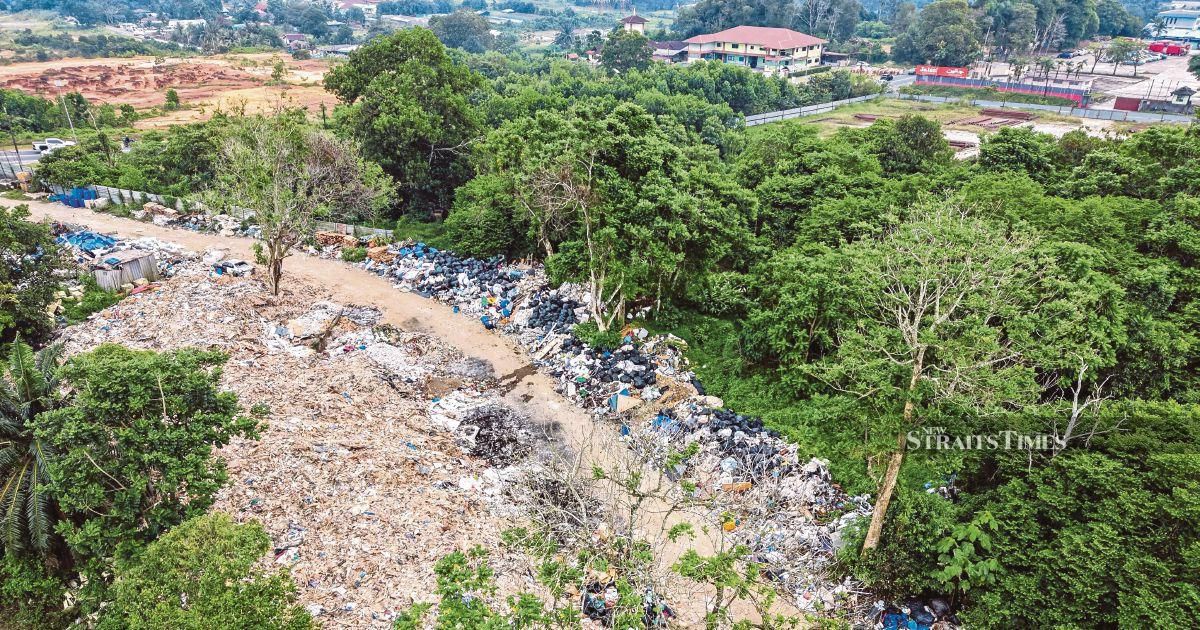
Environmental authorities in Johor have initiated what is expected to become a significant cross-border investigation following allegations that substantial quantities of construction waste from Singapore have been dumped at several locations within Pontian district. The Johor State Waste Management Corporation (SWCorp) has been tasked with coordinating efforts among multiple government agencies to determine the full scope and nature of the alleged illegal dumping operations. This multi-agency approach underscores the complexity of the matter and the need for comprehensive oversight spanning different regulatory jurisdictions.
The establishment of a dedicated task force represents an escalation in the state's response to what appears to be a systematic pattern of cross-border waste disposal. Rather than treating the matter as isolated incidents, authorities have recognised that the allegations suggest organised movement of construction debris across the Singapore-Johor frontier. This coordination between agencies is crucial in a region where two distinct legal frameworks operate in close proximity, and where waste management practices and environmental standards may differ significantly between nations.
Construction waste from Singapore presents particular challenges for Malaysian authorities, as the city-state's rapid development and limited domestic disposal capacity have historically created pressure for waste management solutions beyond its borders. The density of building projects and renovations in Singapore means that construction and demolition debris accumulates at rates that domestic facilities struggle to accommodate. Cross-border dumping, while illegal under Malaysian environmental law, has occasionally emerged as an informal outlet when domestic options prove expensive or inconvenient for unscrupulous operators.
Pontian's geographical proximity to Singapore makes it particularly vulnerable to such dumping operations. The district's landscape and accessibility from major Singaporean industrial areas would make it a logical target for illegal waste disposal operations seeking to avoid local regulatory costs and environmental assessments. The presence of multiple dumping sites, as referenced in the allegations, suggests that the matter extends beyond casual or opportunistic waste disposal into what may represent more deliberate and organised activity.
The investigation faces several practical complications inherent in cross-border environmental enforcement. Determining the precise origin of construction waste requires technical analysis and documentation tracing, often complicated by the lack of clear labelling or registration on disposed materials. Establishing culpability requires identifying not only where waste originated but also which parties were responsible for its transportation and dumping, a chain of responsibility that frequently involves multiple contractors and intermediaries. Malaysian authorities must work within their jurisdiction while potentially coordinating with Singaporean counterparts to trace responsibility within the source nation.
For Johor residents and businesses, this investigation carries implications extending beyond environmental remediation. Illegal dumping of construction waste degrades soil quality, contaminates groundwater, and can affect local agricultural activities and residential properties. Pontian, being a significant agricultural region in Johor, faces particular risks from waste contamination that could spread through irrigation systems and infiltrate the local water supply. Communities affected by dumping sites warrant not only investigation but also remediation efforts and environmental monitoring to assess whether contamination has spread beyond visible dumping areas.
The broader context involves Malaysia's relationship with Singapore on environmental matters and resource management. While both nations maintain formal diplomatic ties and various bilateral agreements, enforcement of cross-border environmental regulations remains challenging. Singapore's high waste generation rates, driven by its dense urban and industrial development, create ongoing pressures that occasionally manifest in attempts to relocate waste management burdens to neighbouring regions. Previous incidents of similar concerns have required ministerial-level attention and negotiated agreements between governments.
The task force's composition and powers will determine how effectively the investigation can proceed. Including representatives from environmental, law enforcement, local government, and perhaps federal authorities would enable comprehensive fact-finding and potential enforcement action. Access to information regarding waste transportation permits, contractor registrations, and land-use documents will be necessary to establish the timeline and responsibility chain. Cooperation with relevant Singaporean authorities, should it be pursued, could provide crucial documentation about which construction projects generated the alleged waste.
For Malaysian environmental regulators, this case becomes a test case in establishing and maintaining standards against cross-border pressure. Vigorous investigation and enforcement send signals that Malaysia will not serve as a convenient disposal destination for neighbouring nations' waste streams. Such enforcement is particularly important as Southeast Asia continues developing economically, generating increasing construction waste volumes across the region. Countries that fail to enforce environmental regulations risk becoming de facto regional waste repositories.
The timeframe for investigation remains unclear, but authorities must balance thoroughness with promptness to preserve evidence and maintain public confidence. Media coverage and public attention to the allegations suggest that community members or local observers possess information about the dumping activities, potentially including details about vehicles, timing, and responsible parties. Swift action may yield valuable witness accounts before memories fade or evidence is disturbed. The investigation will likely also require environmental sampling of affected sites to document contamination levels and extent.
Beyond the immediate investigation, Johor authorities may need to consider preventative measures targeting high-risk dumping sites. Enhanced monitoring of known areas, cooperation with local residents in reporting suspicious activities, and coordination with land-use planning authorities could reduce future vulnerabilities. Border-region environmental enforcement demands proactive approaches rather than solely reactive investigation, particularly in areas where limited infrastructure and monitoring capacity might encourage illegal dumping.
This investigation reflects broader Southeast Asian challenges as rapid industrialisation and urbanisation generate waste faster than formal disposal systems can accommodate, creating incentives for illicit cross-border solutions. Malaysia's response in this case will influence how regional partners approach similar enforcement challenges.

