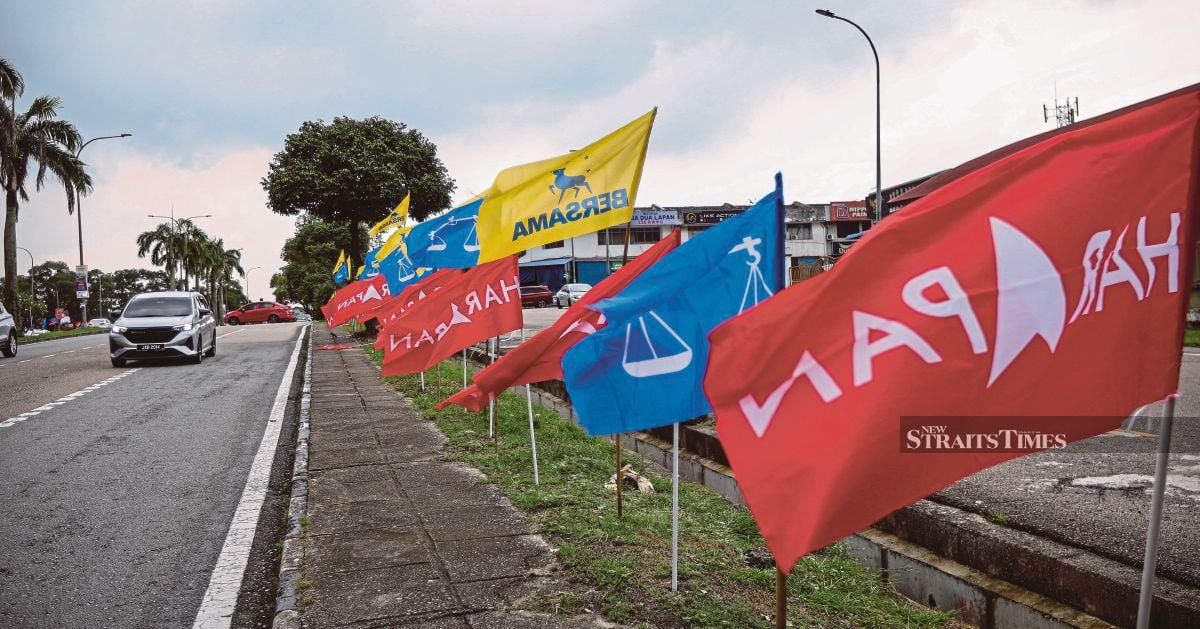
Police in Johor have formally launched 18 investigation papers following a surge in complaints about alleged election violations during the state's 16th general election campaign. The law enforcement action follows the receipt of 56 separate reports lodged throughout the campaign period, which commenced on 27 July and extended until voting day.
The scale of investigations underscores heightened scrutiny of electoral conduct in Johor, Malaysia's third-largest state by population and a political bellwether for federal elections. Election-related offences encompass a broad spectrum of potential misconduct, from campaign financing irregularities and improper advertising practices to breaches of election advertising codes and violations of quiet period rules. The spike in complaints reflects growing public awareness of electoral regulations, though it also signals persistent challenges in ensuring all candidates and their supporters strictly adhere to legal requirements.
During any election campaign, the Royal Malaysia Police Election Investigation Division works to maintain electoral integrity by processing complaints and determining whether sufficient evidence exists to pursue formal charges. The opening of 18 investigation papers from 56 reports indicates that police have filtered initial complaints for substantiation and credibility, focusing investigative resources on cases with apparent merit. This prosecutorial discretion means that not all complaints automatically lead to formal investigations, though all 56 reports have been registered in the system.
Election Commission regulations in Malaysia are comprehensive and designed to ensure fair competition among contenders. Key restrictions include prohibitions on campaigning during the quiet period immediately before polling, limits on campaign expenditure by candidates and parties, and rules governing the placement and content of campaign materials. Additionally, regulations restrict certain types of campaigning near schools, places of worship, and government buildings. Understanding these rules is essential for all campaign operatives, yet violations continue to occur, sometimes through inadvertence and occasionally through deliberate flouting.
For Malaysian voters and political observers, the enforcement action raises important questions about electoral fairness and equal opportunity. Johor, having experienced competitive elections and serving as a strategic state for both Barisan Nasional and opposition coalitions, has historically seen intense campaign activity. The relatively high number of complaints during this campaign cycle may reflect increased vigilance by observers, more sophisticated campaign tactics that test legal boundaries, or a genuine uptick in violations. Each interpretation carries different implications for election management going forward.
The investigation papers now open will likely take weeks or months to conclude, as police gather evidence, interview witnesses, and compile documentation. Should sufficient evidence emerge for specific violations, law enforcement may recommend charges to prosecutors, who will then decide whether to proceed with prosecution. The Malaysian legal framework provides penalties for election offences ranging from fines to potential imprisonment, though practical prosecutions remain relatively rare compared to the total volume of complaints received across election cycles nationwide.
State elections in Malaysia hold significant weight beyond their immediate electoral outcome. Johor's result influences coalition politics at the federal level and often signals voter sentiment that parties monitor closely. Maintaining public confidence in the electoral process itself—through visible enforcement of rules and transparent investigation procedures—becomes critically important in such high-stakes political contests. When voters perceive that violations go unpunished or that rule enforcement favours certain parties, confidence in democratic processes erodes.
The complaints mechanism itself reflects a mature electoral system where observers, party agents, and members of the public can formally report suspected violations. This accessibility democratizes oversight, allowing citizens beyond election officials to contribute to monitoring. However, the system's effectiveness depends on consistent, impartial investigation and prosecution. Mixed public perception of enforcement impartiality remains a challenge for Malaysian electoral authorities, particularly in politically sensitive states like Johor.
Police action on these 18 papers will likely conclude before formal election results are certified or the new state government is sworn in, or may extend into the subsequent government's tenure. The timing and outcomes of investigations can themselves become politically charged, with parties interpreting enforcement actions through a partisan lens. Transparency in investigation processes—such as regular public disclosure of case status and final outcomes—would help mitigate perceptions of bias.
Moving forward, the volume of complaints from this election cycle offers the Election Commission and police valuable data for refining guidance to candidates and campaign managers. Many election violations stem from genuine confusion about regulatory requirements rather than intentional infractions. Enhanced pre-campaign briefings, clearer written guidance, and improved communication channels between officials and political parties could reduce inadvertent breaches while demonstrating commitment to fair enforcement. For Southeast Asia broadly, Malaysia's approach to investigating election violations while maintaining campaign momentum provides lessons relevant to other democracies managing similar regulatory challenges.
The outcome of these 18 investigations will ultimately signal to future candidates and campaign teams what level of compliance the authorities expect and enforce. In electoral democracies, such enforcement—when applied fairly across all contestants—reinforces the principle that rules exist to protect fair competition and public trust, not to advantage particular political interests. How Johor's law enforcement agencies handle these cases will resonate beyond the state's borders.

