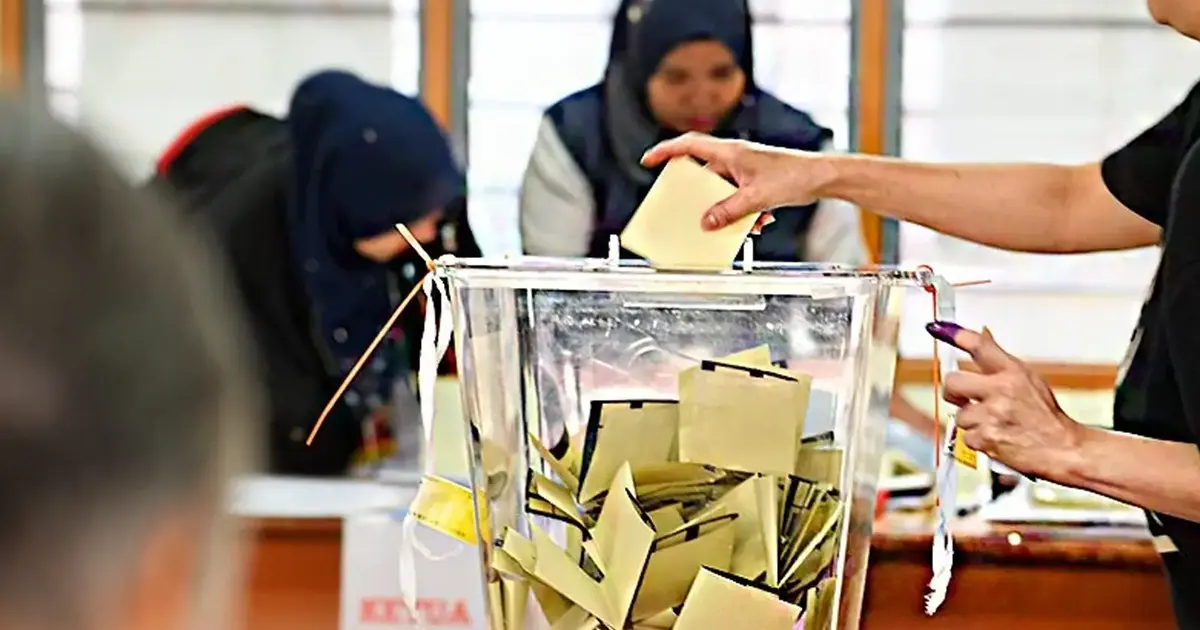
The forthcoming Johor state election may ultimately be decided by voters in their twenties and thirties, according to political observers monitoring demographic patterns and emerging electoral trends. This cohort, spanning the 21-39 age bracket, represents a significant swing vote that competing political parties cannot afford to overlook if they hope to secure victory at the state level. Unlike older generations whose voting patterns are often more entrenched, this younger demographic group remains more responsive to contemporary policy messaging and more likely to base their electoral choices on tangible platforms that address their immediate life circumstances.
Analysts emphasize that parties seeking to capture this crucial voting segment must develop substantive policy responses to the constellation of challenges confronting young adults navigating Malaysia's current economic and social landscape. The priorities cited most frequently by members of this age group reflect the realities of adulthood in contemporary Malaysia: securing stable employment with adequate compensation, accessing homeownership despite escalating property prices, managing household expenses against a backdrop of inflation, and planning for family expansion and child-rearing responsibilities. These are not abstract political concepts but concrete concerns that shape daily decision-making for voters transitioning through their peak earning and family-formation years.
Employment security constitutes perhaps the most pressing concern for this demographic segment, particularly given the volatile nature of Malaysia's job market following years of economic disruption. Young Malaysians report anxiety about career progression, wage stagnation relative to cost-of-living increases, and competition from both domestic and foreign workers. Political parties that can articulate credible plans for job creation, skills training, and career development pathways will likely resonate more effectively with this population. The specific industrial sectors and employment initiatives promoted must reflect the realities of Johor's economic base, which extends beyond traditional manufacturing to encompass technology, services, and emerging industries where young professionals increasingly seek opportunities.
Housing affordability remains a perennial flashpoint for younger voters, and the situation in Johor mirrors broader Malaysian trends where property prices have climbed substantially faster than wage growth over the past decade. First-time homebuyers in their late twenties and thirties face formidable barriers when attempting to purchase residential property, whether in established urban centers or developing suburban areas. Political parties that propose concrete solutions—whether through subsidized housing schemes, regulatory reforms to moderate speculation, favorable financing mechanisms, or land availability initiatives—stand to gain substantial political capital among this demographic. The issue resonates across income levels, affecting both professional workers and those in trades and service sectors.
Economic stability more broadly encompasses inflation management, cost-of-living pressures, and household financial security in the face of rising food prices, energy costs, and transportation expenses. Young families balancing mortgage or rental obligations with childcare expenses, education costs, and saving for emergencies face genuine financial strain. Any political messaging that acknowledges these pressures while offering realistic remedies will likely strike a chord with voters evaluating their options. Conversely, parties perceived as indifferent to these struggles or proposing solutions disconnected from everyday economic realities risk losing support within this demographic segment.
Family-related concerns extend beyond housing to encompass childcare support, education quality and affordability, and work-life balance policies that enable young professionals to manage both career and family responsibilities effectively. Voters in this age bracket increasingly expect political parties to address systemic issues affecting family formation, including parental leave provisions, affordable early childhood education, and workplace flexibility standards. These concerns are particularly acute for women voters navigating career advancement while bearing disproportionate domestic responsibilities, though male voters increasingly recognize the importance of family-friendly policies as well.
The electoral significance of the 21-39 age cohort extends beyond the raw number of voters within this bracket, though that number is substantial. This demographic group demonstrates higher volatility in voting behavior compared to older, more politically settled populations, meaning individual marginal gains or losses among younger voters can swing election outcomes in closely contested races. Additionally, this age group's voting patterns today influence longer-term political alignment, as voters who establish partisan preferences early in their electoral lives often maintain those attachments across subsequent elections. Parties that cultivate loyalty among younger voters today build electoral advantages that extend well into the future.
For Johor specifically, understanding the geographic distribution and socioeconomic composition of this age group becomes critical for targeted campaigning. Urban centers like Johor Bahru, Iskandar Puteri, and Johor Jaya contain concentrated populations of younger professionals and families whose concerns may differ from their counterparts in secondary towns or rural areas. Industrial areas and manufacturing zones throughout the state employ many workers in this age range whose economic circumstances and priorities warrant specific policy attention. Transportation networks, commercial opportunities, and urban development initiatives that appeal to younger demographics may prove decisive in determining political outcomes across various state constituencies.
The broader context of Malaysian politics in recent years demonstrates that younger voters cannot be taken for granted by any political party. Previous electoral surprises at both national and state levels revealed that demographic shifts, evolving policy priorities, and dissatisfaction with incumbent approaches can rapidly shift voting patterns within this segment. Parties must conduct genuine outreach, demonstrate they have internalized the concerns articulated by younger voters, and present credible implementation plans rather than generic promises. The specificity and realism of policy proposals will ultimately determine whether individual voters within this age bracket translate their concerns into actual electoral support for any given party.