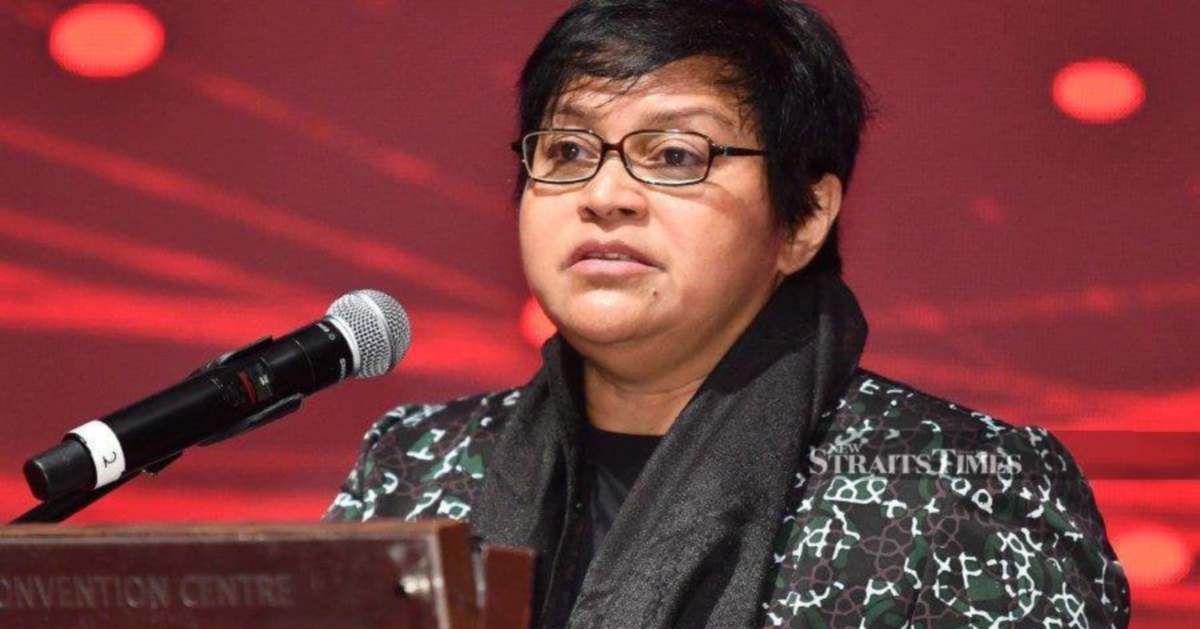
The question of whether Johor will establish a coalition or unity government remains premature at this stage, according to Umno's information chief Datuk Seri Azalina Othman Said, who has urged political stakeholders to refrain from speculative discussions until the actual election results become available.
Speaking from Putrajaya, Azalina emphasised that meaningful conversations about forming post-election alliances should only proceed once voters have cast their ballots and the results are officially tallied and announced. Her statement reflects a broader position within Umno to avoid pre-empting the electoral process or appearing to negotiate government formation arrangements before the people have had their democratic say.
The timing of her remarks is significant given the pattern in Malaysian politics whereby coalition configurations often shift dramatically following elections. Previous state elections have demonstrated that pre-election pledges regarding potential allies do not always materialise once actual electoral outcomes become known. By insisting on this procedural boundary, Azalina is attempting to maintain political flexibility for Umno while simultaneously appearing principled about respecting the electoral mandate.
Johor has become an increasingly contested political battleground in recent years, with shifting allegiances and competing visions for governance. The state, Malaysia's second-largest by population and a significant economic contributor, carries outsized importance for any ruling coalition at federal level. Control of Johor's state government therefore matters considerably beyond the state itself, influencing the broader balance of political power in the country.
Azalina's intervention suggests internal discussions within Umno and its broader coalition partners about potential arrangements, even if these cannot yet be publicly articulated. By establishing this clear demarcation—no coalition talk before results—she is effectively preventing premature commitment to potential partners while preserving negotiating space once the electorate has decided. This approach reflects seasoned political management, allowing all parties to maintain their public positions without overcommitting.
The opposition coalition, comprising Pakatan Harapan and potentially other blocs, will likely face similar questions about their post-election intentions. These dynamics create substantial uncertainty for voters trying to understand what different electoral outcomes might mean for state governance. However, from a political strategist's perspective, maintaining this ambiguity until results are known gives parties maximum negotiating leverage in any subsequent coalition discussions.
For Malaysian voters in Johor, Azalina's statement underscores how coalition governments often emerge from post-election bargaining rather than pre-election platforms. This reality highlights the importance of understanding not just each party's stated policies and leadership, but also their likely coalition partners and the compromises that such arrangements inevitably require. The actual government voters receive may differ substantially from what individual parties campaign on during the election period.
The statement also reflects broader governance trends across Southeast Asia, where coalition politics has become increasingly complex and volatile. Unlike Westminster systems with clear majorities determining governments, Malaysian electoral outcomes frequently produce hung parliaments or narrow majorities that require sophisticated coalition management. Johor's electoral trajectory will likely follow this pattern, with the final government configuration emerging only after negotiations conclude.
Azalina's positioning as Umno's information chief means her statement carries particular weight within party ranks. By articulating this position publicly, she is signalling to party members, potential coalition partners, and the broader electorate that Umno intends to approach coalition negotiations from a position of principle rather than opportunism. Whether this commitment will hold once actual results become available remains an open question, given the historical fluidity of Malaysian coalition politics.
The Johor situation will continue attracting intense scrutiny from political analysts, investors, and ordinary citizens concerned about governance continuity and policy direction. Until election results are declared, political players will likely maintain public discipline while conducting private negotiations. Azalina's statement essentially codifies this convention, setting expectations about when substantive coalition discussions may legitimately commence. This approach attempts to balance democratic principles with practical political realities, though whether all parties will respect this boundary remains uncertain.

