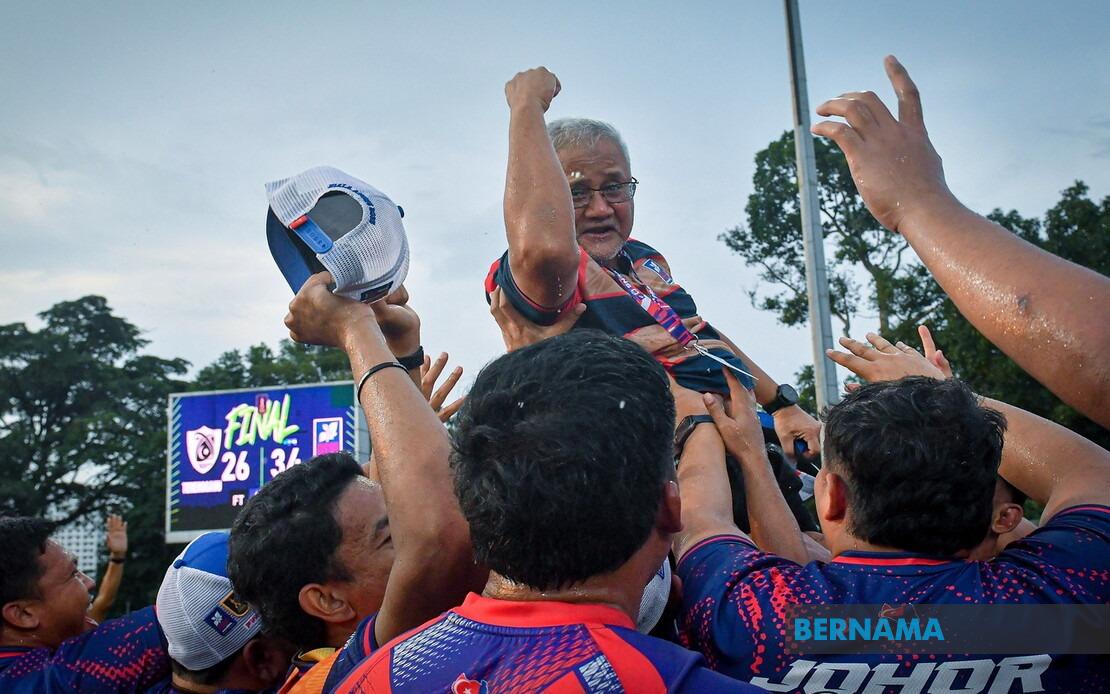
Johor has reclaimed the Agong's Cup following a triumphant comeback victory over Terengganu at the UiTM Stadium in Shah Alam on June 28. The match, which formed the centrepiece of the 42nd edition of Malaysia's most prestigious rugby tournament, saw the southern state secure a 34-26 victory to end a nine-year championship hiatus that had tested supporters' patience and organisational pride alike.
The contest itself proved a dramatic affair, with momentum shifting decisively during the interval. Terengganu's attacking prowess dominated the opening forty minutes, allowing the east coast side to establish an 19-17 advantage as both teams showcased the competitive quality that has become synonymous with the Agong's Cup. However, the narrative transformed fundamentally after the break, when Johor's management adjustments and sustained attacking pressure overwhelmed their opponents and secured an emphatic second-half performance that left Terengganu unable to mount a recovery.
This championship represents Johor's third Agong's Cup title in the tournament's history. The state's rugby heritage includes a 2013 triumph, but the gap between that success and the present victory underscores both the tournament's competitive intensity and the challenges Johor's programme has navigated during an intervening period when other states seized opportunities to claim the prize. The nine-year drought—the longest gap in the state's trophy cabinet for this competition—had become a psychological marker for rugby followers in Johor, who viewed the drought as a temporary aberration rather than a permanent decline.
The financial rewards attached to the championship reflect the tournament's significance within Malaysian rugby governance. Johor's triumphant squad divided RM20,000 in prize money distributed among the playing group and coaching staff, while Terengganu received RM15,000 for their runners-up finish. The financial structure extended further down the standings, with third-place finishers Kelantan receiving RM10,000 and fourth-place PDRM claiming RM5,000, creating a tiered incentive system that rewards competitive excellence across multiple tiers.
The bronze medal match proved equally compelling, with Kelantan and Royal Malaysia Police producing a thriller that saw Kelantan prevail 43-41 in an intensely contested playoff. This match showcased the depth of competitive talent within Malaysian rugby, suggesting that any of the four quarter-finalists possessed the potential to progress further had tournament circumstances aligned differently. The narrow margin separating Kelantan and PDRM—a mere two points—highlighted how closely balanced Malaysian rugby has become at its highest levels.
Johor's Aqasha Daniel Irwan captured the player of the tournament award, an accolade that carried both ceremonial and monetary significance. The selection committee recognised Irwan's contributions across multiple matches, awarding him RM1,000 in additional prize money alongside a commemorative plaque acknowledging his excellence. The individual honours system within the Agong's Cup serves important functions beyond simple recognition, as it elevates particular athletes' profiles and helps identify emerging talent for potential provincial representation at higher levels of competition.
The Agong's Cup holds unique institutional importance within Malaysian rugby's competitive hierarchy. As a tournament directly linked to Malaysia's monarchy through its nomenclature and royal patronage, the competition carries symbolic weight beyond its purely sporting dimensions. Winning the cup represents not merely athletic achievement but also an expression of provincial pride and validation of a region's investment in rugby development programmes.
For Johor, this victory offers validation of long-term player development initiatives and coaching strategies that had produced mixed results during the intervening years without titles. The coaching staff's ability to engineer a decisive second-half turnaround suggests tactical sophistication and player discipline that may facilitate future success. The state's rugby administrators can now point to tangible recent success when advocating for continued funding and facility investment from governmental and corporate sponsors.
The tournament's organisation at UiTM Stadium demonstrated the capacity of Malaysian university infrastructure to host major competitive events. The venue's hosting of the 42nd edition underscored the importance of securing accessible, adequately equipped facilities for national-level competitions, a consideration that remains relevant as Malaysian rugby seeks to expand participation and viewership beyond traditional supporter bases.
Looking forward, Johor's return to championship status establishes a new baseline for the state's rugby ambitions. The victory provides momentum and confidence for future campaigns, while simultaneously placing pressure on rival states—particularly Terengganu, Kelantan, and PDRM—to consolidate their own competitive positions. The Agong's Cup, now entering its second half-century as a tournament, continues to serve as the primary vehicle for identifying and celebrating provincial rugby excellence in Malaysia, with Johor's resurrection as champions affirming the competition's ongoing vitality and competitive balance.

