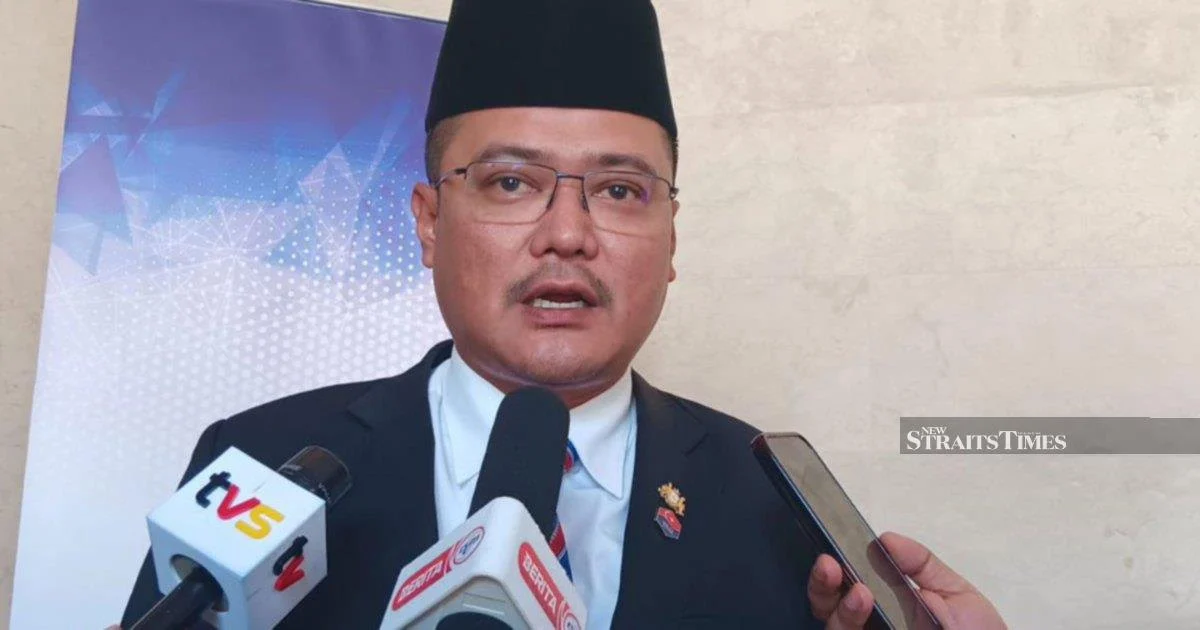
Johor Barisan Nasional has launched a sharp rebuke against former state legislative assembly speaker Datuk Dr Mohd Puad Zarkashi, describing his recent allegations as baseless, serious, and deeply irresponsible. The coalition's response underscores growing tensions within Johor's political establishment, where questions about institutional roles in governance have become increasingly contentious.
Datuk Dr Mohd Puad Zarkashi, who previously held the position of speaker in the Johor state assembly, had made assertions that implicated the palace in political decision-making processes. Such claims strike at fundamental questions about the separation of powers and the constitutional role of the monarchy in Malaysia's political system. By characterising his statements as lacking foundation, Johor BN signalled that it views these allegations not merely as political disagreement but as challenges to established constitutional conventions.
The timing of this dispute reflects broader instability within Johor politics. The state has experienced considerable flux in recent years, with multiple changes in state government administration and shifting coalition dynamics. Against this backdrop, accusations about palace involvement in political matters carry particular weight, as they touch on the legitimacy of political decisions and the proper channels through which governance should occur. The swift and forceful response from Johor BN indicates the seriousness with which the coalition treats such allegations.
Umno Youth, the youth wing of the dominant United Malays National Organisation, has escalated the matter further by claiming that hundreds of individuals have lodged police reports in response to Datuk Dr Mohd Puad Zarkashi's allegations. This claim, if substantiated, would suggest that public sentiment has been mobilised against his statements. However, the exact nature and content of these police reports remains unclear from available information. Such mass reporting could indicate genuine public concern among BN supporters, or it could reflect organised mobilisation within party structures—a distinction that carries implications for understanding genuine grassroots sentiment versus party-directed action.
The invocation of police reports represents an escalation in political rhetoric, moving the dispute from public statements into the formal legal sphere. In Malaysia's political context, police reports often serve as formal records of allegations that may subsequently be investigated or used in political discourse. The decision by Umno Youth to highlight the number of reports filed appears designed to demonstrate that opposition to Datuk Dr Mohd Puad Zarkashi's claims extends beyond party leadership to party members and sympathetic public figures.
For Malaysian readers, this dispute carries relevance beyond Johor's state boundaries. Questions about the proper constitutional role of the monarchy in political affairs have recurred throughout Malaysia's political history. Any allegations that link palace institutions to factional disputes within political parties touch on sensitive constitutional matters that demand careful handling. The assertion that such claims are baseless suggests that Johor BN believes the allegations misrepresent or distort how political decisions are actually made within the state.
The characterisation of the allegations as irresponsible adds a moral dimension to the political disagreement. By using this language, Johor BN appears to argue that Datuk Dr Mohd Puad Zarkashi has not merely made false claims but has acted inappropriately by raising such matters in public. This framing suggests that even if discussions about palace involvement occur, they should remain within appropriate political or constitutional channels rather than being aired publicly in ways that might damage institutional respect or create public confusion about how governance functions.
Datuk Dr Mohd Puad Zarkashi's previous role as speaker grants his statements particular attention. The position of speaker carries constitutional responsibility for maintaining the integrity of the state assembly. His transition from this official role to making public allegations about palace involvement in political matters marks a significant shift in his public positioning. Understanding whether he speaks from personal observation, institutional knowledge, or political conviction remains important for assessing the weight of his claims.
The Umno Youth leadership's involvement in amplifying the response through claims about police reports suggests factional interests at play. Different wings and factions within Umno may hold varying perspectives on internal governance, party discipline, and the appropriate public discussion of sensitive political matters. The youth wing's particular involvement may reflect demographic considerations within the party or generational differences in how political conflicts are managed.
For observers of Malaysian politics, this episode illustrates how disputes that might appear localised to Johor state politics can rapidly engage constitutional principles, law enforcement, and party structures. The invocation of both the palace and police reports indicates that the original disagreement has expanded into multiple arenas of political contestation. How these various threads—the original allegations, the party response, and the police report claims—eventually resolve may set precedents for how similar disputes are handled in Malaysia's political future.
Looking forward, the resolution of this matter will likely depend on how official institutions, including the police and potentially relevant constitutional bodies, respond to the formal reports that have allegedly been filed. Whether further investigation or public clarification occurs will shape how political actors in Johor and beyond understand the boundaries of acceptable public discourse regarding palace involvement in political affairs. The incident underscores the continuing importance of clarity about constitutional roles in Malaysia's monarchical system.

