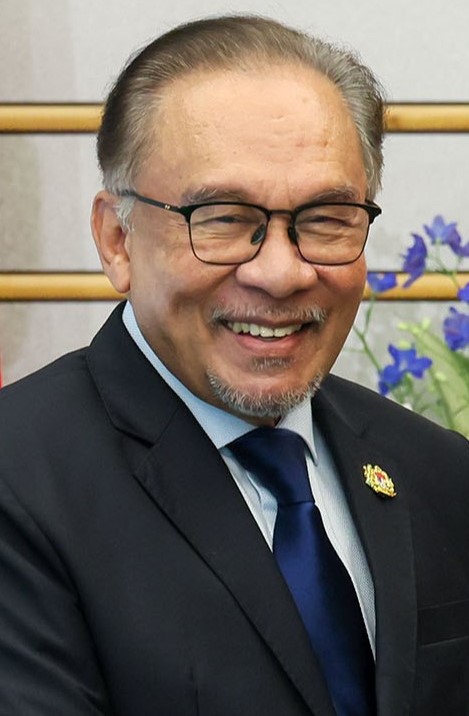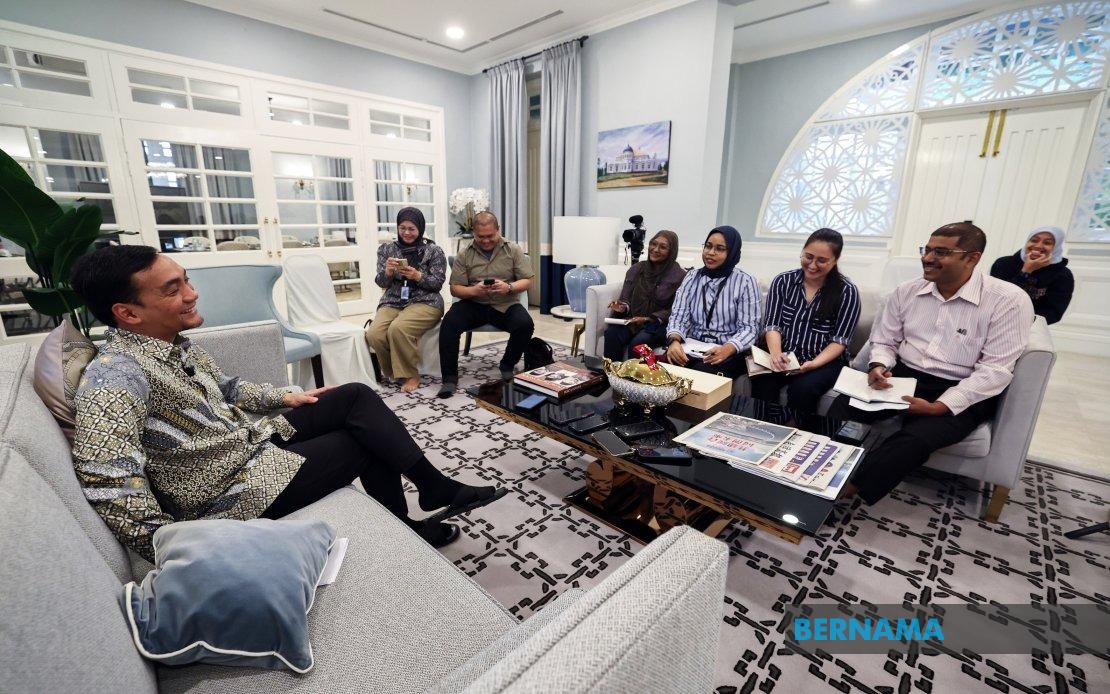
Johor Barisan Nasional chairman Datuk Onn Hafiz Ghazi has extended a message of encouragement to party members sidelined in the candidate selection process for the forthcoming state election, calling upon them to preserve their dedication to the coalition's broader political mission. Speaking through a special media interview at his official residence in Saujana, the Johor Menteri Besar acknowledged that disappointment over not securing a candidacy should not deter activists from contributing meaningfully to the party's electoral campaign and governance agenda.
The crux of Onn Hafiz's appeal centred on reframing the candidacy question within a larger organisational context. He emphasised that failing to receive a ticket to contest represents neither a terminus for party involvement nor a measure of personal rejection. Instead, he highlighted that multiple pathways for service exist within the broader political ecosystem, including potential future parliamentary positions, administrative roles within party structures, and grassroots organising efforts that remain vital to electoral success.
Onn Hafiz revealed that the candidate selection machinery stands at approximately eighty per cent completion, yet cautioned that fluidity remains embedded within the process until formal letters of appointment, known locally as watikahs, are formally conferred. He underscored that historical precedent demonstrates the provisional nature of earlier candidacies, noting that watikahs previously distributed have occasionally been rescinded, meaning the final slate remains subject to modification as the June 27 nomination deadline approaches.
The selection methodology employed by Johor Barisan Nasional reflects considerable diversity in recruitment strategy. Rather than restricting candidates to narrow demographic categories or professional specialisations, the party has pursued an inclusive approach spanning various career backgrounds and age cohorts. The overarching principle guiding these decisions aligns with the broader Barisan Nasional framework emphasising winnable, acceptable, and likeable—or WALI—candidates capable of commanding community respect within their respective constituencies.
On the question of generational preferences, Onn Hafiz dismissed age as a determinative criterion in candidate selection. His assessment privileges competence and demonstrated capacity to serve constituent interests over chronological youth. This position reflects a pragmatic acknowledgment that electoral appeal transcends demographic categories, requiring instead individuals with genuine community standing and proven administrative capability. The Menteri Besar maintained that candidates must possess authentic rootedness within their constituencies, enjoying recognition and acceptance that extends beyond external appointment.
Decisions affecting candidate selection, Onn Hafiz stressed, remain subject to multilayered institutional approval rather than unilateral determination. The process requires endorsement from BN chairman and UMNO president Datuk Seri Dr Ahmad Zahid Hamidi as well as senior party leadership, embedding candidate choices within collective decision-making frameworks that distribute authority across party hierarchies. This institutional architecture reflects efforts to legitimise candidate selection through broader consultative processes.
The Johor leader explicitly recognised the demographic significance of youthful voters in shaping electoral outcomes and state governance trajectories. He noted that voters below forty years comprise between twenty and forty per cent of Johor's electoral population, representing a constituency whose engagement determines competitive viability across multiple constituencies. Onn Hafiz contended that Barisan Nasional representatives across Johor have meaningfully engaged with younger demographics, building relationships predicated on understanding that youth mobilisation proves essential for electoral success.
Recognising the substantial proportion of Johorians working across the Singapore border, Onn Hafiz extended explicit voting encouragement to all eligible citizens, including those whose employment situated them beyond state boundaries. His appeal for maximum voter participation reflected a conviction that electoral legitimacy strengthens with heightened turnout, enhancing representative capacity across constituencies and strengthening the mandate for continued governance.
Onn Hafiz characterised the Johor state administration under his stewardship as having pursued substantive delivery of government services and developmental initiatives. He framed the forthcoming election as presenting voters with a choice regarding continuity of existing governance approaches, positioning the Barisan Nasional candidacy as representing commitment to advancing what he termed Bangsa Johor—a conception of collective state identity transcending narrow partisan interest. His invocation of Islamic terminology reflected broader rhetorical strategies linking electoral outcomes to divine providence while emphasising human agency through voter participation.
The electoral timeline provides the immediate context shaping candidate selection pressures and party unity challenges. Nomination proceedings commence on June 27, with early voting scheduled for July 7 and principal polling day designated for July 11. This compressed scheduling compresses timeframes for finalising candidate lists, conducting campaign preparation, and mobilising party machinery across constituencies. Onn Hafiz's candid acknowledgment that modifications remain possible until formal watikah distribution reflects awareness that candidate selection processes frequently generate internal friction requiring sophisticated political management.
The broader significance of Onn Hafiz's statement transcends immediate Johor-specific concerns, carrying implications for Malaysian coalition politics more broadly. His articulation of alternative roles for unsuccessful candidates and emphasis on organisational commitment regardless of candidacy status addresses a persistent tension within Malaysia's party structures—the expectation that electoral candidacy represents the sole meaningful form of political participation. By legitimising non-candidate activism, Onn Hafiz potentially strengthens party unity while establishing frameworks that acknowledge organisational interdependence across multiple hierarchical levels.