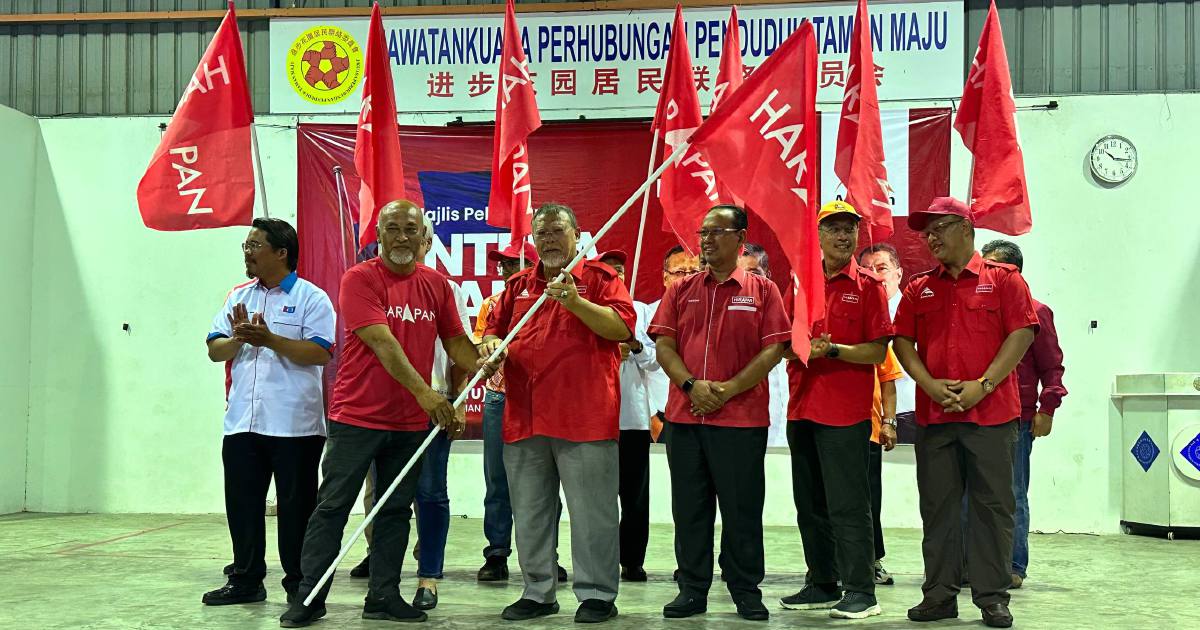
Johor Amanah has set its sights on a significant electoral breakthrough in the state's northern zone, projecting victory in at least six of the ten seats where it has fielded candidates for the July 11 state election. The party's confidence stems from ground-level organising efforts and what party officials characterise as growing receptiveness among voters to its policy agenda and leadership approach.
The northern zone represents a critical battleground in Johor's political landscape, with traditional strongholds of established parties now facing fresh electoral competition. Amanah's decision to contest across ten seats in this region underscores the party's strategic ambition to expand its legislative presence beyond its existing electoral base, challenging the conventional distribution of power within the state assembly.
For context, Amanah has emerged as a significant force within Malaysia's political architecture since its formation, drawing support from urban professionals, younger voters, and communities seeking an alternative to established coalition politics. In Johor, where the party has gradually built organisational capacity, the upcoming election represents a moment to translate grassroots mobilisation into concrete parliamentary representation.
The July 11 election will determine not only individual seat outcomes but also the broader political trajectory of Johor in coming years. With multiple parties competing for influence, the northern zone contest carries symbolic weight beyond seat arithmetic, reflecting voter appetite for fresh political voices and alternative governance models. Amanah's participation in ten contests signals confidence that this appetite extends across diverse communities within the region.
The party's performance will likely influence coalition dynamics at both state and national levels. A strong showing in Johor could consolidate Amanah's position within broader opposition frameworks and enhance its bargaining power in post-election alliance negotiations. Conversely, outcomes falling short of projections might necessitate strategic reassessment of the party's electoral positioning and resource allocation across different states.
For Malaysian voters monitoring state-level politics, Amanah's Johor campaign reflects the ongoing realignment of political preferences, particularly in peninsular Malaysia's more urbanised areas. The party's emphasis on governance quality and inclusive development contrasts with narratives centred on demographic or communal calculations that have traditionally dominated Johor politics.
The northern zone constituencies themselves contain diverse voter demographics, from urban service-sector professionals to semi-rural communities with mixed economic interests. Amanah's ten-seat strategy suggests the party believes its messaging resonates across these varied communities, rather than being limited to specific socioeconomic or geographic pockets.
State elections in Malaysia serve as crucial indicators of shifting electoral sentiment ahead of federal contests. Johor's July 11 election will attract national attention as major parties test new campaign approaches and messaging strategies. Amanah's participation adds competitive complexity to a state that has historically seen more structured two-coalition competition.
The party's six-seat projection, if achieved, would represent meaningful progress within the state assembly and provide platform and resources for expanded influence over Johor's policy direction. Such representation could influence education, commerce, and infrastructure priorities that impact daily life for the state's residents.
Regional implications also merit consideration. As Southeast Asia's economies face post-pandemic challenges, state governments increasingly shape local responses to inflation, employment, and development priorities. Amanah's potential gains in Johor could translate into different policy emphases at the state level, particularly regarding economic inclusion and public service quality.
The confidence Amanah has publicly expressed reflects internal polling and organisational assessments, though electoral outcomes remain uncertain. Vote distribution, turnout patterns, and tactical voting behaviour often produce surprises in Malaysian elections, meaning projections require cautious interpretation even when grounded in systematic canvassing.
As campaigning intensifies, Amanah's Johor message will likely emphasise governance competence, anti-corruption commitments, and responsiveness to constituent concerns. These themes appeal particularly to voters fatigued by political instability and seeking reassurance that elected representatives prioritise service delivery over factional manoeuvring.

