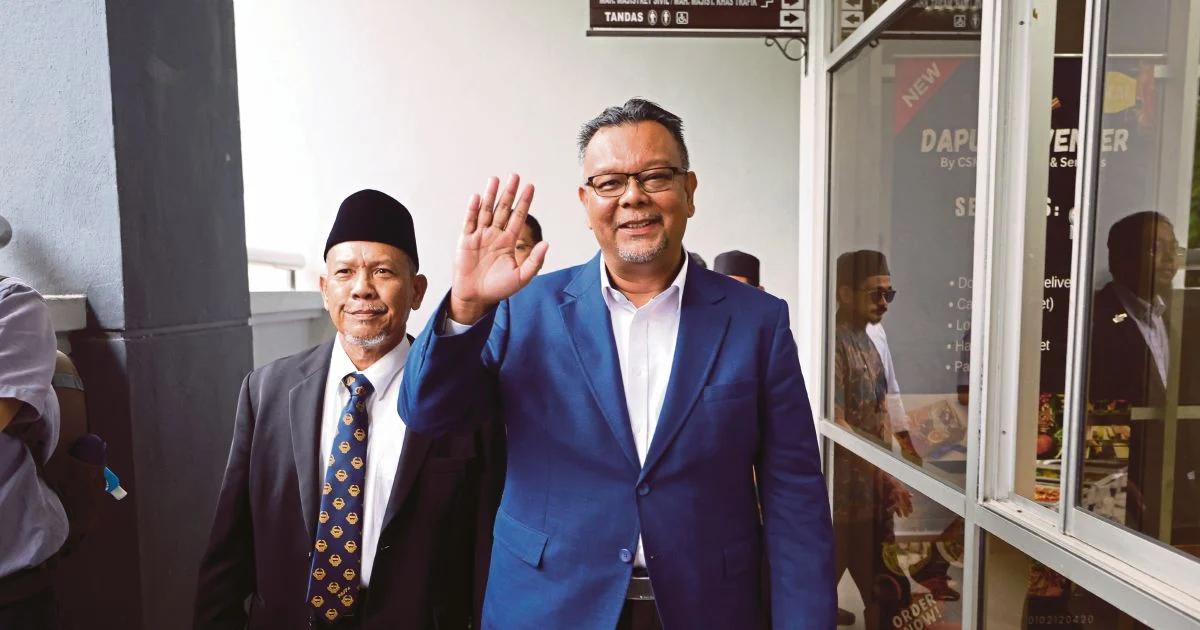
Dr Haim Hilman Abdullah, the assemblyman representing Jitra, entered a not guilty plea in Seremban magistrate's court on charges relating to statements he reportedly made that could constitute a public disturbance. The legal proceeding marks a significant development in what appears to be a continuing controversy involving the elected representative's public remarks.
The charge centres on allegations that Dr Haim Hilman made statements with the potential to cause alarm among members of the public. Under Malaysian law, such charges typically fall under provisions designed to protect public order and prevent the spread of inflammatory rhetoric that could disrupt social harmony or incite unrest. The gravity of such accusations reflects the government's commitment to maintaining stability and preventing statements that could fragment community relationships.
As an elected assemblyman serving the Jitra constituency, Dr Haim Hilman holds a position of considerable public responsibility. Members of the state legislature are expected to exercise restraint in their public communications, particularly when addressing sensitive matters that could touch upon communal sensitivities or national security concerns. The nature of his alleged statements has not been detailed in the charge sheet, leaving room for considerable public speculation about what specifically prompted the authorities to take legal action.
The Seremban magistrate's court serves as the appropriate venue for such proceedings, given the statutory jurisdiction over cases involving public order offences. Magistrate courts in Malaysia handle the preliminary examination of charges and, in appropriate cases, conduct full trials for offences within their jurisdiction. The decision by Dr Haim Hilman to enter a not guilty plea suggests his legal team intends to contest the merits of the allegations rather than seeking early resolution through guilty pleas.
This incident reflects broader concerns across Southeast Asia regarding the balance between free speech and public order. Malaysian courts have consistently maintained that while citizens enjoy constitutional protections for freedom of expression, such rights are not absolute and must be exercised responsibly. Statements that cross the threshold into potential public alarm or incitement fall outside the protective umbrella of constitutional speech.
The case also highlights the ongoing scrutiny faced by political figures in Malaysia, where elected representatives operate under heightened expectations regarding their public conduct. Whether at federal, state, or local levels, politicians frequently find themselves navigating complex boundaries between advocating for their constituents' interests and avoiding statements that authorities determine cross into prohibited territory. This dynamic creates ongoing tension between political activism and legal compliance.
For the Jitra constituency, the situation presents questions about representation and accountability. Constituents will be watching how the legal proceedings unfold, as the outcome could carry implications for public confidence in their elected representative and his ability to serve effectively while potentially facing legal liability. The proceedings are likely to generate considerable local interest within the Kedah state assembly.
The legal process ahead will involve examination of the evidence, testimony regarding the specific statements made, and determination of whether the words used genuinely constituted a potential cause for public alarm under the relevant statutory definition. Defence arguments will probably focus on whether the statements, when considered in proper context, actually possessed the necessary elements to constitute the offence as charged.
Similar cases involving public figures making statements that authorities deem problematic have become increasingly common across Malaysian political landscape. The outcomes often depend heavily on specific interpretation of what constitutes sufficient risk of public alarm, and courts have shown varying approaches to this assessment. The precedent established by Dr Haim Hilman's case could influence how authorities and courts subsequently handle comparable allegations against other public figures.
The wider implications for Malaysian politics remain significant. As social media platforms amplify political voices and allow rapid dissemination of statements, the potential for words to cause public disturbance has arguably increased. Authorities face ongoing challenges in distinguishing between legitimate political discourse and statements that genuinely threaten public order. This case will contribute to the evolving understanding of where those boundaries lie.
Proceedings of this nature also remind political practitioners across Southeast Asia that legal liability extends beyond formal legislation to encompass common law principles and public order statutes. Those seeking elected office or currently holding such positions would be well-advised to carefully consider how their public statements might be received and interpreted by authorities and the courts. The consequences of miscalculation can extend to criminal liability and potential restrictions on one's ability to serve constituents effectively.

