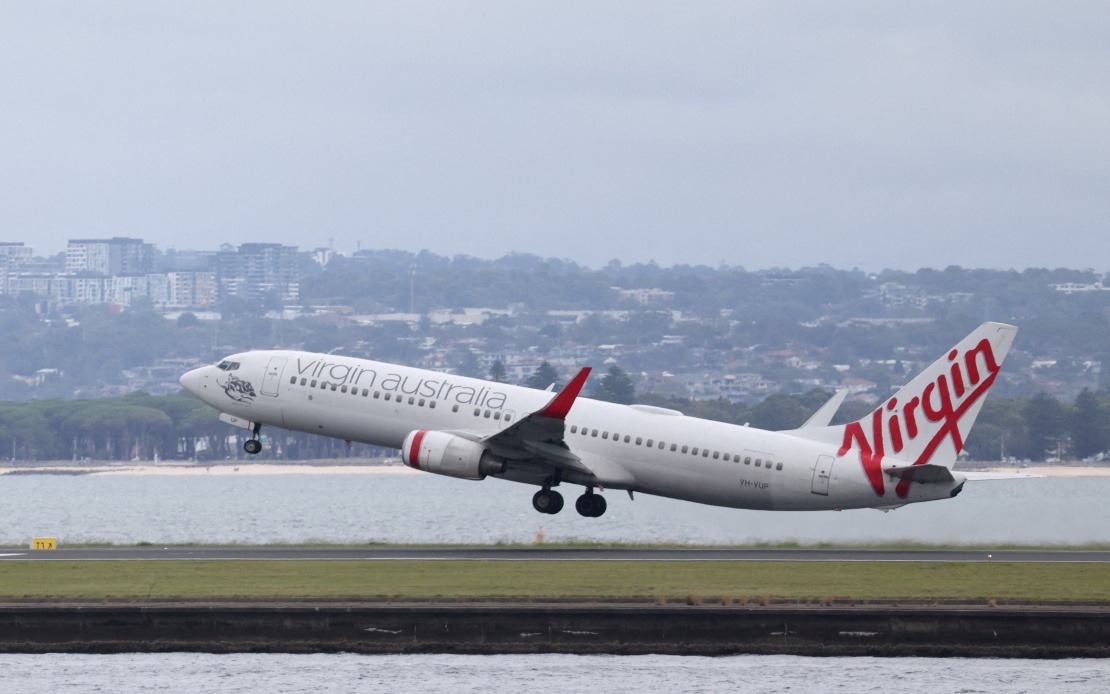
A crew member with Jetstar Airways was injured on Sunday when the airline's Gold Coast service came within dangerous proximity of an unoccupied Qatar Airways Boeing 777 being towed across a Sydney Airport runway. The incident unfolded in the early morning hours around 7 am Australian Eastern Standard Time as Jetstar flight JQ402 was preparing for departure. While following standard taxiing procedures and air traffic control instructions, pilots detected the approaching Qatar Airways aircraft and executed an immediate emergency stop, causing the cabin crew member to sustain injuries. Ambulance paramedics attended the scene and treated the injured employee, though no passengers aboard the Jetstar flight were harmed in the occurrence.
Jetstar Airways, which operates as a wholly-owned budget subsidiary of Australia's flagship carrier Qantas, promptly initiated a formal investigation into the circumstances surrounding the near-collision. A company representative acknowledged that the situation arose despite their crew's adherence to air traffic control directions, emphasizing that pilots were compelled to execute abrupt braking measures when the empty Qatar Airways aircraft unexpectedly entered their flight path. The response reflects standard aviation safety protocols where carriers must document and analyse any incident that places aircraft or personnel at risk, regardless of whether physical damage occurred.
The timing of this incident carries particular significance given the operational pressures currently affecting Australia's aviation sector. Just days before this near-miss, Sydney Airport experienced unprecedented disruption when more than 250 flights faced delays on Friday and Saturday. Those cancellations and postponements stemmed directly from staff shortages at Airservices Australia, the government agency responsible for managing air traffic control operations across the nation's major airport hubs, including Sydney. The organisation provides critical services that guide aircraft movements on runways, taxiways, and in surrounding airspace, making adequate staffing levels essential for maintaining both operational efficiency and safety margins.
The convergence of these events raises concerns about the cascading effects of air traffic control resource constraints on safety protocols. When controllers face overwhelming workloads due to insufficient personnel, even brief lapses in coordination can create hazardous situations that put aircraft and crew members at risk. The near-collision between Jetstar and Qatar Airways demonstrates how operational pressures in the ground control environment can translate directly into dangerous moments at runway level, where multiple aircraft movements must be precisely orchestrated to prevent incidents.
For Malaysian and Southeast Asian aviation stakeholders, this incident underscores broader industry challenges affecting the region's neighbours and trading partners. Australia's airport system handles significant volumes of international traffic, including flights connecting to and from Malaysia. Disruptions or safety concerns at Sydney Airport reverberate through regional aviation networks, affecting airline scheduling, crew rotations, and passenger connections throughout Southeast Asia. The incident also highlights how ground infrastructure issues can have outsized impacts on airline operations and safety performance.
The apparent coordination breakdown between ground operations and air traffic control suggests systemic vulnerabilities that extend beyond this single near-miss. When towing operations for large international aircraft like the Boeing 777 coincide with active runway taxiing procedures, the margin for error diminishes significantly. The fact that pilots required emergency braking to avoid collision indicates that standard separation protocols may not have been maintained or communicated effectively between the various personnel and systems managing simultaneous runway activities.
Airservices Australia faces mounting pressure to address staffing deficiencies that contributed to the earlier disruptions. The Friday and Saturday flight delays represented one of the most significant operational failures at Sydney Airport in recent years, affecting thousands of passengers and disrupting flights across the region. The organisation has acknowledged the shortage problem but solutions require sustained investment in recruiting, training, and retaining qualified air traffic controllers—a process that typically spans several years before new staff achieve full operational capacity.
Qatar Airways, as the operator of the towed aircraft, may also face questions regarding the coordination and timing of its ground movements. International carriers operating at Sydney Airport must coordinate with local air traffic authorities and ground service providers to ensure that aircraft towing operations do not interfere with active runway use. The involvement of a major international airline in this incident may prompt discussions about procedural standards and communication protocols between foreign carriers and Australian ground operations.
From an aviation safety perspective, this incident will likely feature in Airservices Australia's safety reporting systems and may inform future policy discussions about managing simultaneous aircraft movements during periods of operational stress. The regulatory environment governing Australian aviation safety will almost certainly examine whether current procedures adequately protect against similar incidents, particularly when staffing constraints create time pressures that force condensed operational windows and increased risk exposure.
For Jetstar passengers and the broader Australian traveling public, the incident serves as a reminder of the multiple safety systems that prevent accidents in modern aviation. Despite the near-miss, no collision occurred, and both aircraft ultimately operated safely. However, the underlying conditions that created the hazard—staff shortages at air traffic control and procedural pressures—require systemic attention to prevent future occurrences. The recovery of Australia's air traffic control workforce and proper resourcing of ground operations will be essential for maintaining the safety record that commercial aviation has achieved across the region.

