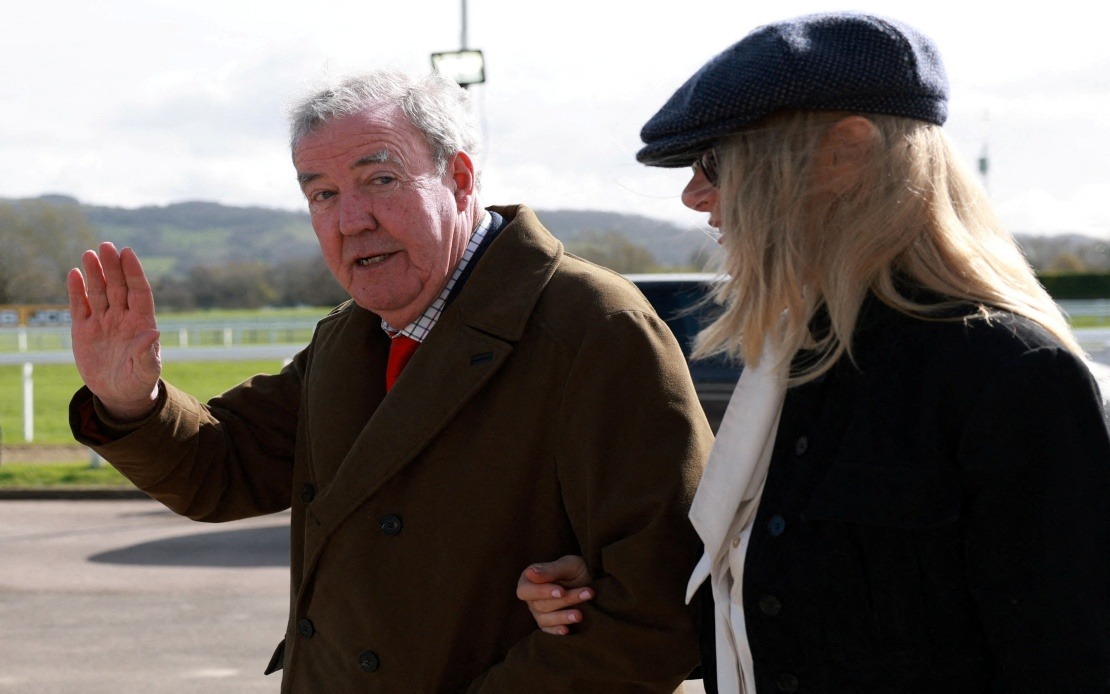
British television personality Jeremy Clarkson has publicly announced his prostate cancer diagnosis, sharing the news candidly with his farming show colleagues during what appeared to be routine harvest discussions. The revelation came across conversations with farm manager Kaleb Cooper and land agent Charlie Ireland, catching them and viewers off guard with the unexpected health disclosure in what is typically a lighthearted farming documentary format.
Clarkson's approach to communicating his diagnosis reflects his characteristic directness. Rather than issuing a formal statement through publicists or media representatives, the 66-year-old chose to reveal his condition naturally within the fabric of his television programme. He expressed cautious optimism about his prognosis, indicating he anticipated recovery while acknowledging he would require time away from his professional commitments. This transparency has become increasingly common among public figures managing serious health challenges, normalising discussions around cancer and medical treatment in mainstream entertainment programming.
The surgical intervention involved partial removal of his prostate, with the cancerous portion representing approximately ten percent of the organ. During the season finale, filmed from a hospital bed, Clarkson disclosed that he had experienced unexpected complications during his treatment course. The timing of his recovery remained uncertain at the moment of filming, with the television presenter estimating he would not have definitive answers about the success of his treatment until November. This extended waiting period represents the anxious reality many cancer patients face following surgical intervention.
Clarkson's return to hospital by the season's conclusion underscored the seriousness of his situation and the unpredictable nature of medical complications. The visual of him addressing viewers from a hospital bed bookended the series with a sobering reminder of his health battle, contrasting sharply with the typically energetic and adventurous tone of his farming content. His candid acknowledgement of being hospitalised at both the beginning and end of the season demonstrated the pervasive impact his illness had on the production and his wellbeing throughout filming.
Looking ahead, Clarkson adopted a pragmatic stance regarding the future of his series. He outlined a straightforward conditional arrangement with his audience, stating that if his treatment proved successful, he would return for a sixth season, but if outcomes proved unfavourable, the show would conclude. This honest approach respects viewers' understanding of his situation while maintaining uncertainty about the series' continuation. The sixth season is currently scheduled for broadcast in 2027, allowing substantial recovery time should the treatment succeed.
For Malaysian and Southeast Asian audiences familiar with Clarkson's work across various automotive and entertainment platforms, his health crisis resonates beyond mere celebrity gossip. His farming venture, launched in 2019, transformed his public image from primarily automotive entertainer to agricultural commentator and rural lifestyle promoter. This evolution demonstrates how successful entertainers can reinvent themselves and build new audiences across different content categories, a lesson relevant to the region's expanding media landscape.
Clarkson's health challenges arrive amid an established pattern of medical difficulties. Nearly two years prior to his cancer diagnosis, he underwent a cardiac procedure requiring the insertion of two stents to restore adequate blood flow to his heart. Following that intervention, his physician recommended he cease working entirely, advice Clarkson partially followed by redirecting his time toward golf. This earlier health scare should have served as a warning about lifestyle factors, though such procedures often prompt people to reassess their wellbeing and priorities.
Prior to his cardiac issues, Clarkson quit smoking after developing pneumonia during a Spanish holiday. These accumulated health incidents paint a picture of someone who has confronted multiple serious medical events within a relatively short timeframe, each potentially interconnected through lifestyle factors. His willingness to discuss these matters publicly contributes to broader health awareness, particularly regarding conditions that affect middle-aged and older men at significantly higher rates.
Beyond personal health matters, Clarkson's farming operations have positioned him as an unexpected voice in agricultural policy debates. In November 2024, he participated in London protests opposing the British government's proposed inheritance tax changes affecting farmland. This activism demonstrates how entertainment figures can leverage their platforms to influence policy discussions, a phenomenon increasingly visible across Southeast Asia where celebrity involvement in social and political issues continues expanding.
The intersection of Clarkson's health challenges with his professional commitments raises questions about how the entertainment industry accommodates serious illness among key personnel. His decision to film and broadcast his cancer treatment journey, rather than withdrawing from public view, represents one approach to managing celebrity and serious illness simultaneously. This transparency potentially helps demystify cancer treatment for audiences while maintaining his connection to viewers during an uncertain period.
For the broader entertainment industry, Clarkson's situation illustrates production realities when principal talent faces significant health obstacles. Scheduling, filming logistics, and narrative continuity all require adjustment when medical needs take priority. His farm show's agricultural calendar typically dictates production schedules, adding another layer of complexity to accommodating his recovery timeline and treatment outcomes.
As Clarkson awaits November's confirmation of his treatment success, his public handling of prostate cancer may influence how other figures in entertainment and sports approach similar diagnoses. His refusal to retreat from public view, combined with his straightforward communication about prognosis and uncertainty, establishes an alternative to either complete privacy or sensationalised disclosure. This measured approach potentially serves viewers and fellow cancer patients better than either extreme.

%22%2F%3E%3C%2Fpattern%3E%3C%2Fdefs%3E%3Crect%20width%3D%22100%25%22%20height%3D%22100%25%22%20fill%3D%22url(%23ph1354vg)%22%2F%3E%3Crect%20width%3D%22100%25%22%20height%3D%22100%25%22%20fill%3D%22url(%23ph1354vp)%22%2F%3E%3Ctext%20x%3D%2250%25%22%20y%3D%2250%25%22%20text-anchor%3D%22middle%22%20dominant-baseline%3D%22central%22%20fill%3D%22rgba(255%2C255%2C255%2C0.95)%22%20font-family%3D%22Georgia%2C%20'Times%20New%20Roman'%2C%20serif%22%20font-weight%3D%22700%22%20font-size%3D%22320%22%20letter-spacing%3D%22-0.02em%22%3EGRS%3C%2Ftext%3E%3C%2Fsvg%3E)