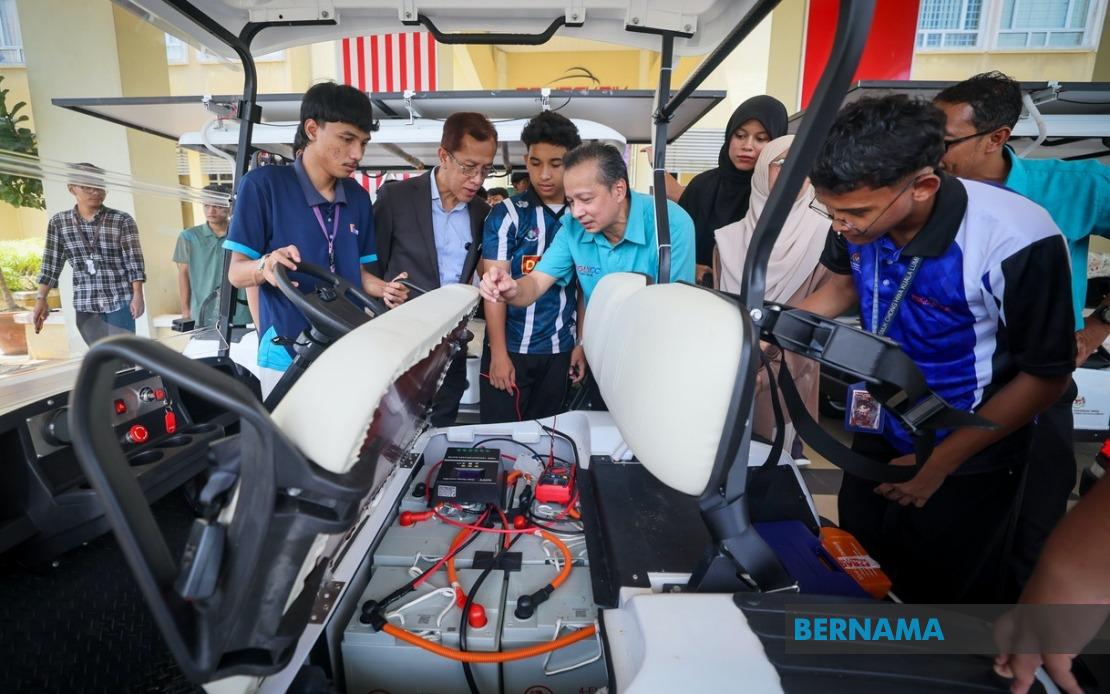
Jeli Kelantan Polytechnic has achieved a notable milestone in renewable energy innovation by successfully deploying solar-powered buggy cars, marking the first such initiative in Kelantan. The breakthrough came through the Solar Buggy Car Technology Innovation Project, which combined theoretical knowledge with practical engineering skills to produce working prototypes that reduce reliance on conventional electricity supply. This development underscores a broader regional commitment to sustainable transport and energy solutions within Malaysia's educational institutions.
The initiative represents a substantial institutional investment and student learning achievement. Twenty third-semester students enrolled in the Diploma in Electrical Engineering (Green Energy) programme completed the project in approximately one month, working under the guidance of lecturer Chung Boon Chuan. The total project cost reached nearly RM300,000, reflecting the technical complexity and resource requirements of integrating solar technology into functional vehicles. According to Mohd Zamre Ab Rahman, the polytechnic's director, the endeavour successfully channelled the foundational knowledge that students had accumulated since their first semester into a tangible, working system.
The polytechnic's current fleet comprises six fully operational buggy cars equipped with integrated solar panel systems. Four vehicles seat up to four passengers, while two accommodate two passengers, with individual unit costs hovering around RM40,000 each. These vehicles demonstrate the technical viability of solar charging systems for battery-powered transportation at the scale practical for campus operations and local transport needs. The solar panels function to charge the vehicles' battery systems using solar energy rather than drawing continuously from the electrical grid, thereby reducing both operating costs and environmental footprint.
This project aligns closely with Jeli Kelantan Polytechnic's institutional vision to establish itself as a green campus. The leadership has consciously positioned renewable energy as a strategic priority, pursuing comprehensive upgrades to teaching infrastructure and methodologies. The Ministry of Higher Education's allocation of RM2 million during the previous financial year enabled significant laboratory renovations and procurement of advanced equipment specifically tailored to green energy instruction. These investments reflect national recognition that skilled renewable energy professionals will become increasingly essential across Malaysian industries and regions.
Kelantan's renewable energy landscape has been transforming rapidly, creating employment pathways and sectoral growth that directly justifies the polytechnic's programmatic expansion. Major solar farm developments in Tok Uban and Pasir Mas have established the state as an emerging hub for large-scale renewable projects. This expanding infrastructure requires a pipeline of technically trained graduates capable of installation, maintenance, and system management. The Diploma in Electrical Engineering (Green Energy), introduced in July of the previous year, has already demonstrated exceptional appeal among prospective students, with intake numbers doubling from 40 to 80 for the current academic year—a clear indicator of market-driven demand.
Beyond classroom applications, the polytechnic has positioned itself to serve commercial and governmental clients. Jeli Kelantan Polytechnic now accepts orders from private organisations and government agencies seeking to install solar panel systems on buggy vehicles. This revenue-generating function simultaneously serves as authentic professional practice for students, bridging the traditional gap between academic learning and workplace competence. Such real-world project engagement produces graduates with portfolios demonstrating actual engineering problem-solving rather than purely theoretical achievement.
The buggy car project exemplifies how educational institutions can catalyse broader community transition toward renewable energy adoption. By manufacturing working prototypes on campus and offering installation services beyond institutional boundaries, the polytechnic functions as both training centre and technology incubator. This dual role accelerates local familiarisation with renewable systems while generating practical experience for students who will populate the regional green energy workforce. The visibility of functioning solar vehicles on Kelantan roads subtly shifts public perception of renewable technology viability.
From a sectoral perspective, Kelantan's positioning within Malaysia's renewable energy ecosystem reflects national decarbonisation targets and regional energy security objectives. As fossil fuel dependency creates both economic vulnerability and environmental strain, states investing in technical education for renewable industries gain competitive advantage in attracting green investment and skilled migration. Jeli Kelantan Polytechnic's initiatives contribute to this strategic repositioning, demonstrating institutional responsiveness to evolving economic opportunities.
The programme's rapid expansion carries implications for other regional institutions and Malaysian polytechnics more broadly. The doubling of student intake within a single year suggests that demand for green energy education substantially exceeds current supply across the polytechnic network. Other institutions may recognise the commercial viability and social utility of comparable programmes. As Malaysia targets 31 percent renewable energy capacity by 2025, training infrastructure that translates national ambitions into localised technical capability becomes strategically crucial.
Moving forward, the tangible results emerging from Jeli Kelantan Polytechnic's investment suggest that solar-powered transport and renewable energy systems are transitioning from specialised academic projects toward operational practicality. The success of these six buggy cars demonstrates technical feasibility within Malaysian climatic and infrastructural conditions. Scaling such solutions across campus transport networks, municipal fleets, and tourism operations could yield substantial environmental dividends while generating ongoing employment for engineers trained through enhanced green energy curricula.

