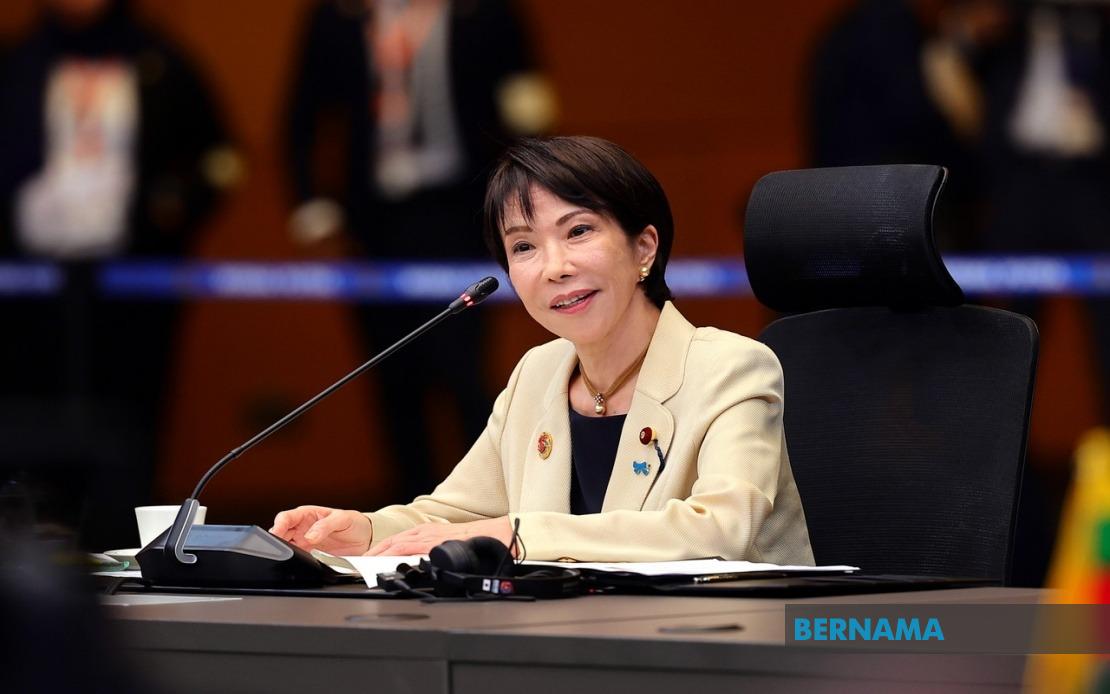
Japanese Prime Minister Sanae Takaichi has made a direct appeal to Oman's Sultan Haitham bin Tariq al-Said for assistance in restoring unobstructed shipping through the Strait of Hormuz, one of the world's most strategically important maritime chokepoints. During a Monday telephone conversation, Takaichi underscored Tokyo's concerns about maintaining the freedom of navigation through this critical passage, which handles approximately one-third of all seaborne traded oil globally.
The timing of Japan's diplomatic overture reflects growing anxiety among trading nations as negotiations between the United States and Iran have stalled, leaving the future of the waterway increasingly uncertain. For Japan, which relies heavily on Middle Eastern oil imports to fuel its economy, disruptions to Hormuz traffic carry profound consequences for energy security and manufacturing competitiveness. Tokyo's outreach to Oman represents a calculated effort to engage regional actors who maintain diplomatic channels with Tehran that Washington currently lacks.
Oman occupies a uniquely influential position in Middle Eastern diplomacy, having cultivated relationships with both Iran and Western powers. According to reports from Kyodo News, the sultanate is currently engaged in substantive discussions with Iran specifically regarding maritime commerce through the strategic waterway. This mediation role positions Oman as a potential bridge between conflicting interests, making Sultan Haitham's perspective particularly valuable to nations dependent on Hormuz's continued functionality.
During their conversation, Takaichi conveyed Tokyo's position that all nations reliant on Hormuz shipping deserve protection and guarantees of safe passage. The Sultan responded by indicating that Oman would carefully consider the perspectives and interests of countries that depend upon the waterway, according to statements Takaichi relayed to reporters gathered at her Tokyo office. This measured response suggests Oman recognises its responsibility to balance the concerns of multiple stakeholders rather than aligning unilaterally with any single party.
For Malaysia and other Southeast Asian economies, Japan's diplomatic initiative carries significant implications. The region's manufacturing hubs and export-dependent economies are equally vulnerable to Hormuz disruptions. Any deterioration in shipping conditions through the strait would ripple through regional supply chains, affecting everything from petrochemical production to electronics manufacturing. Malaysia, as a major trading nation with substantial investments in Middle Eastern commerce, has compelling reasons to support efforts that preserve Hormuz's stability.
The broader context involves escalating tensions linked to the collapsed 2015 Joint Comprehensive Plan of Action, the nuclear agreement between Iran and world powers. As negotiations remain frozen, concerns have mounted about potential Iranian actions affecting maritime commerce as leverage. Establishing diplomatic consensus among user nations regarding freedom of passage becomes increasingly vital as a deterrent against unilateral disruptions.
Oman's diplomatic portfolio extends beyond these immediate negotiations. The sultanate has historically positioned itself as a neutral facilitator, hosting talks between conflicting parties and maintaining pragmatic relationships across the region's dividing lines. By appealing directly to Sultan Haitham, Takaichi sought to activate these existing relationships in support of Japan's interests while respecting Oman's independence and mediation credentials.
Tokyo's approach demonstrates sophisticated diplomacy that acknowledges regional complexities rather than issuing ultimatums or threats. Rather than confrontational rhetoric, Japan opted for quiet consultation through established channels, signalling respect for Oman's agency while making clear the importance of the issue. This method aligns with Tokyo's broader Middle Eastern strategy, which emphasises dialogue and relationship-building over military posturing.
The stakes extend beyond commercial interests. The principle of freedom of navigation represents a cornerstone of the international maritime order that benefits all nations, particularly smaller economies unable to project military power globally. Japan's advocacy for this principle, combined with Oman's potential mediation, could help establish norms that protect regional stability for decades ahead.
For Malaysia and Southeast Asia more broadly, monitoring developments regarding Hormuz remains essential. Regional policymakers should consider how their own diplomatic resources might contribute to stabilising this vital waterway, whether through bilateral outreach, multilateral forums, or support for credible mediation efforts. The conversation between Takaichi and Sultan Haitham illustrates how patient diplomacy, conducted through appropriate channels and with respect for regional partners' perspectives, offers the most promising path toward sustainable solutions.

