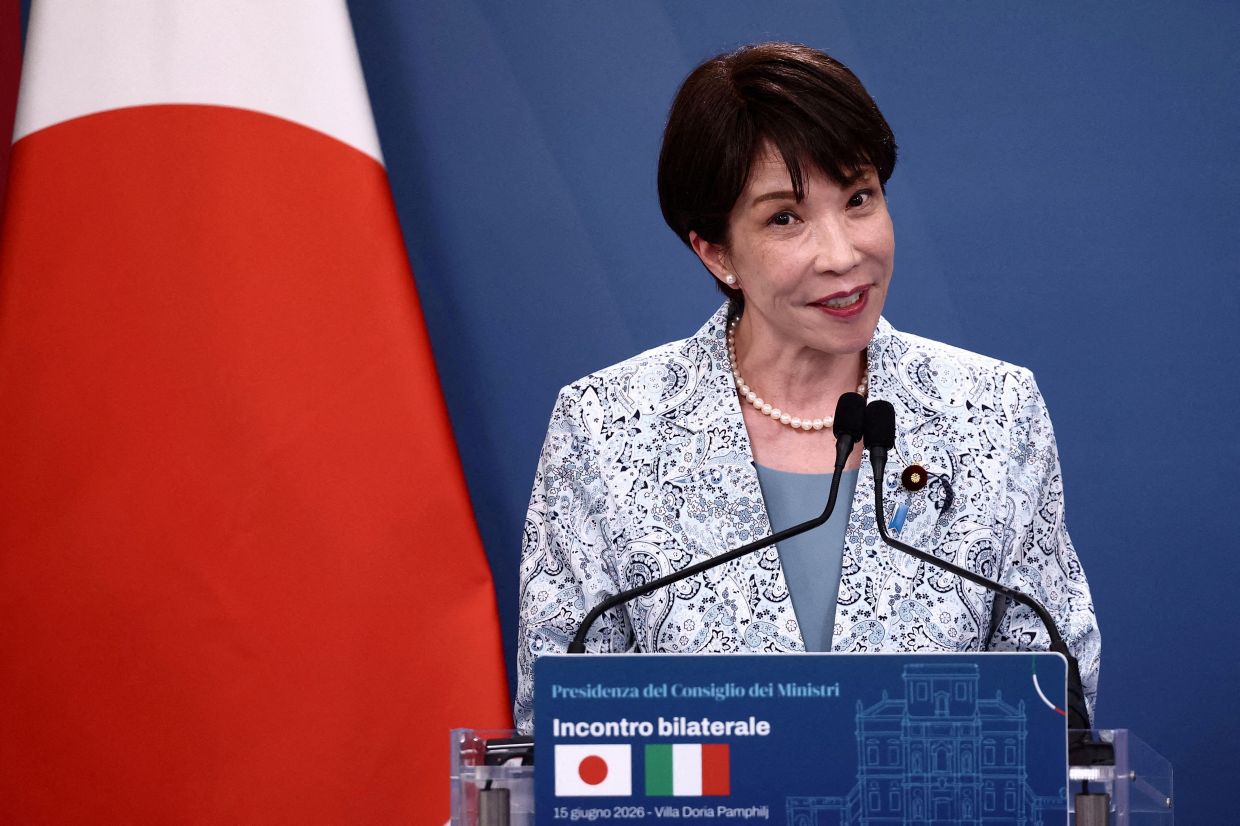
Japanese Prime Minister Sanae Takaichi's political fortunes have taken a notable turn downward, with her cabinet approval rating dropping to 49 per cent according to the latest Jiji Press survey released Thursday, marking the first time her government has fallen below the psychologically significant 50 per cent threshold since she assumed office in October. The decline signals potential vulnerability for Japan's first female premier, despite an electoral mandate secured just months earlier and an initial honeymoon period that appeared robust.
The erosion of public support has been most pronounced among older Japanese voters, a demographic that had previously formed a cornerstone of backing for Takaichi's administration. Those aged 60 and above saw their approval plummet from 63.7 per cent in June to just 39.9 per cent in the latest survey—a dramatic 24-point swing that underscores shifting attitudes among the nation's most politically engaged senior population. This particular demographic shift warrants close attention, as voters in this age bracket typically maintain higher participation rates in elections and wield considerable influence in determining electoral outcomes.
Interestingly, those citizens who continue to support Takaichi's government frequently cite her personal qualities as the primary reason for their backing. Her leadership capability and perceived trustworthiness remain assets in the minds of her remaining supporters, attributes that appear linked to her historic status as Japan's first female prime minister and her earlier cultivation of an image as a modernising, relatable political figure. However, these personal strengths have proven insufficient to stem broader erosion of confidence in her administration's direction.
Among those withdrawing their support, disapproval centres on substantive concerns about her government's effectiveness and vision. The most frequently cited criticisms focus on the sense that little meaningful progress can be expected from her administration and more specifically on disappointment with the policies her government has advanced since taking power. These judgments suggest that initial expectations for transformative change have given way to disillusionment among ordinary voters.
Takaichi's ascent to power was remarkable for how swiftly she consolidated her political position. In February, merely four months into her tenure, she orchestrated snap elections for the lower house of parliament and achieved a decisive victory that substantially reinforced her government's mandate. That electoral triumph was notably buoyed by her popularity among younger voters, who appeared drawn to her diplomatic sophistication, her accessibility as a political figure, and the symbolic break from tradition that her elevation represented. The seeming solidity of that mandate makes the current rating decline all the more striking.
Yet beneath the surface of her earlier electoral success, Takaichi's tenure has been marked by decisions that have complicated Japan's regional standing and generated domestic controversy. Her November statement that Tokyo would consider military intervention should Taiwan come under attack proved especially inflammatory, as it significantly strained Japan's already delicate relations with China, which maintains its own claims of sovereignty over the self-governing island. Such pronouncements, however strategically intended, appear to have unsettled significant portions of the Japanese electorate concerned about regional escalation.
Domestic political tensions have also mounted around cultural and constitutional questions. Earlier this month, a coalition of nearly 150 Japanese academics publicly petitioned lawmakers expressing serious reservations about Takaichi's legislative initiative to criminalise the desecration of the national flag. The academics' intervention—a relatively rare occurrence in Japanese politics—signals concern among intellectual elites about the direction of her governance and suggests that push-back against her agenda extends beyond ordinary voters to influential cultural institutions.
One factor that has worked in Takaichi's favour, at least until recently, has been the macroeconomic environment. Japan experienced a notable deceleration in inflation over recent months, providing some relief to households that had endured sharp price increases that had contributed materially to the political downfall of her two immediate predecessors. Both of those earlier premiers departed from office in rapid succession following public discontent over economic conditions. By contrast, the recent moderation in price pressures offered Takaichi's government some protective cover, though clearly this economic tailwind has not been sufficient to maintain strong public approval.
For policymakers and analysts across Southeast Asia and the broader Indo-Pacific region, Takaichi's slip in domestic support carries implications beyond Japan's borders. Her dovish or hawkish orientations on regional security matters, trade negotiations, and diplomatic engagement influence the calculus of neighbouring countries navigating great power competition and evolving regional alliances. A weakened domestic political position could potentially constrain her ability to pursue ambitious foreign policy initiatives or conversely push her toward more assertive positions designed to shore up nationalist sentiment at home.
The current polling snapshot represents a critical juncture for Takaichi. Whether this dip proves temporary—a normal fluctuation in the political cycle—or signals the beginning of a more sustained erosion of confidence will likely depend on whether her government can reverse perceptions of policy ineffectiveness while managing the various controversies that have surfaced. The coming months will be consequential in determining whether Japan's first female prime minister can stabilise her position or whether she follows her predecessors into political difficulty.

