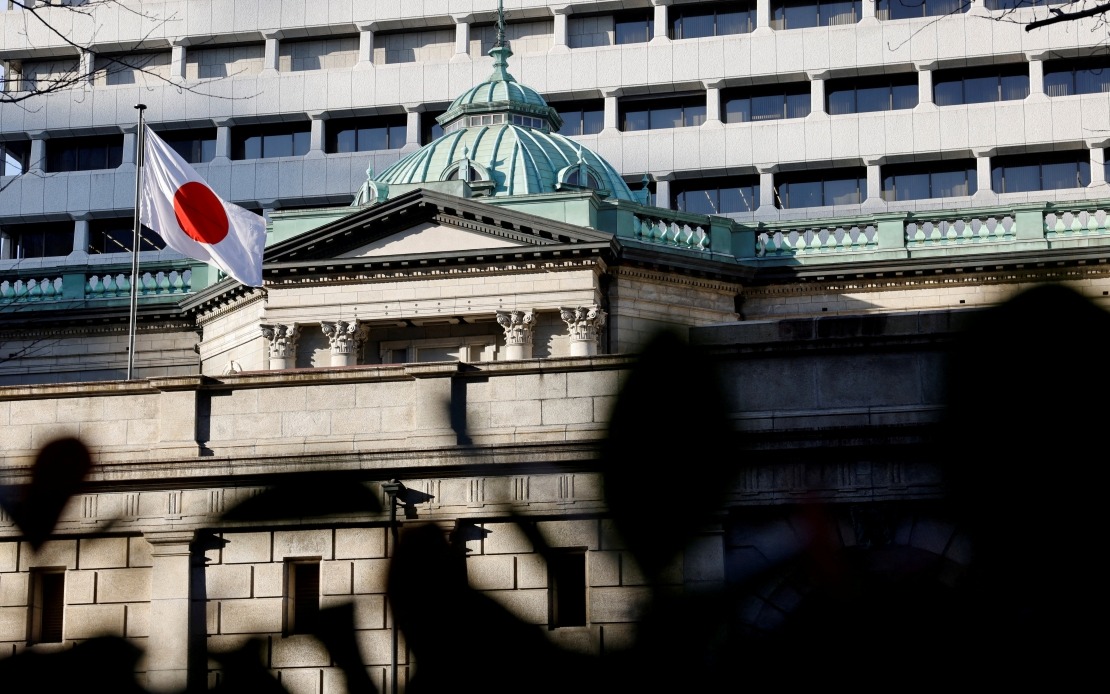
Japan's decision to enact a law prohibiting the desecration of its national flag has reopened a contentious conversation about where democracies should draw the line between honouring national identity and protecting individual liberties. Prime Minister Sanae Takaichi's government has drawn criticism from observers who worry the measure reflects a broader move toward nationalist sentiment, with some social media commentators alleging the law aims to cultivate an atmosphere of Japanese supremacy rather than balanced patriotism.
The passage of this legislation in Tokyo places Japan alongside numerous other nations that have chosen to shield their flags through criminal penalties, though the rationale and severity of these laws reveal starkly different cultural and political priorities across continents. Some countries view such protections as essential to maintaining national cohesion, while others regard them as antiquated restrictions on the expression rights that underpin liberal democracy. For Malaysian observers, the question carries particular weight given the symbolic importance of Jalur Gemilang in our multiethnic society and the ongoing balance required between promoting national unity and protecting democratic freedoms.
Germany offers a particularly instructive case study, having chosen to criminalize not only flag desecration but also disrespectful treatment of its national anthem and other state symbols, with penalties reaching five years imprisonment for acts deemed to threaten constitutional order. This German approach reflects the nation's unique historical experience, where the flag itself became a contested symbol following World War II and the Cold War division. West Germany was especially cautious in its flag use, but reunification and the hosting of the 2006 World Cup gradually normalised public display. Yet this very normalisation has complicated the landscape, as right-wing movements have increasingly appropriated the flag, leading some Germans to view it as a symbol now tainted by exclusionary ideologies rather than representing universal national values.
France similarly protects its tricolour through law, treating the blue, white and red flag as embodying the nation's foundational commitment to liberty, equality and fraternity. The prohibition on destroying or disrespecting the flag in public reflects France's view that national symbols carry emotional and philosophical weight that transcends individual expression. The French legal framework demonstrates how democracies can restrict symbolic desecration while maintaining vigorous debate on virtually every other political matter, suggesting the issue is less about overall freedom and more about the particular status accorded to national emblems.
Asia's approach to flag protection reveals the region's distinctive concerns. China enforces strict penalties of up to three years imprisonment for flag-related offences, while simultaneously conducting daily flag-raising ceremonies at Tiananmen Square to cultivate patriotic consciousness. The seriousness with which Beijing treats such matters is evident in high-profile cases: a man who damaged 66 flags in Tianjin received a two-year sentence, while another individual faced administrative detention merely for using the flag as a curtain. These punishments underscore how authoritarian regimes employ flag protection laws not simply to shield national symbols but as tools for shaping ideological conformity.
Iran presents a more complex scenario, lacking explicit flag desecration statutes yet moving toward tougher penalties after anti-government protests disrupted the nation last year. Since the Iranian flag bears the word Allah, authorities frame flag damage as blasphemy against Islam itself rather than merely nationalist concern. Yet the Tehran leadership has exercised relative restraint, apparently calculating that excessive crackdowns could further alienate portions of the population even as the government pursues national unity amid external pressures.
The contrast with the United States illuminates how immigrant societies with deep commitments to constitutional freedom have charted a different course. The American flag has historically functioned as an integrative symbol uniting peoples of vastly different ethnic, religious and cultural backgrounds. During the Vietnam War era, flag burning emerged as a form of dissent, and despite public outcry, the 1989 US Supreme Court ruled such acts constitutionally protected expression. This landmark decision reflected American jurisprudence prioritising the freedom to dissent, even against national symbols, as more fundamentally important than protecting objects themselves. President Donald Trump's subsequent executive order demanding prosecution of flag desecration represents a significant political challenge to this established doctrine, reflecting domestic polarisation over the proper relationship between patriotism and protest.
South Korea occupies middle ground, with laws criminalising intentional flag damage intended to insult the state with penalties reaching five years imprisonment. Critics contend these provisions overstep boundaries on expression rights, though lawmakers continue discussing the concept of a dedicated "flag day" to encourage civic participation. The South Korean experience suggests that East Asian democracies face particular pressure to strengthen national symbols as ballast against regional tensions and historical grievances.
For Malaysia and Southeast Asia more broadly, Japan's new legislation carries significance beyond Tokyo's immediate context. The region encompasses diverse nations grappling with questions of national identity, multiethnic cohesion and the appropriate scope of expression rights. Malaysia's own Jalur Gemilang holds deep meaning as a symbol of unity across communities, yet the nation has sought to protect such symbols through law while maintaining spaces for democratic dissent on most other matters. Japan's move may influence regional thinking about how to balance these imperatives, particularly as right-wing movements gain visibility globally and governments worry about cohesion amid economic stress.
The fundamental tension illustrated by these varied approaches remains unresolved: whether legal protection of national symbols strengthens national identity or whether such protection paradoxically weakens democracy by suggesting national symbols require defence from citizens rather than naturally earning respect. Nations prioritising security and order have embraced restrictive approaches, while those emphasizing individual liberty have permitted dissent even against the flag itself. Japan's recent decision suggests Tokyo has chosen the former path, betting that legal frameworks will reinforce rather than undermine patriotic sentiment—though whether that gamble succeeds remains an open question.

