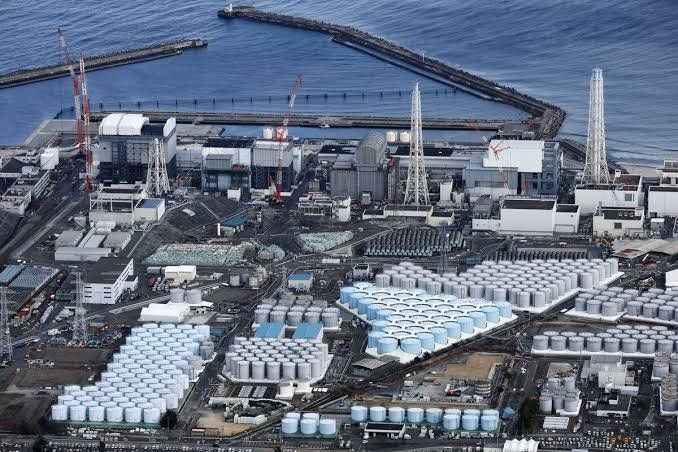
Tokyo Electric Power Company Holdings Inc. reached a milestone on Monday, August 24, by completing its third year of discharging treated water from the Fukushima nuclear plant into the Pacific Ocean. The utility has now released 172,700 tonnes across 22 operations, representing a significant step in managing the vast quantities of radioactive water that have accumulated since the plant's 2011 meltdown. The discharge programme remains one of Japan's most contentious environmental and diplomatic undertakings, balancing nuclear decommissioning requirements against regional concerns and international trade pressures.
The volume of water stored in tanks on the Fukushima site has declined by 7.6 per cent to approximately 1.24 million tonnes—a reduction that underscores the slow but steady progress of the release initiative. The operator has dismantled 17 of around 1,000 storage tanks after they were emptied, though the sheer scale of remaining tanks illustrates the monumental challenge ahead. Tokyo Electric Power projects that the entire discharge operation will conclude by 2051, aligned with the plant's complete decommissioning timeline, meaning another two decades of operations remain before this phase concludes.
The treated water release process operates under stringent international oversight. The International Atomic Energy Agency works alongside the Japanese government and Tokyo Electric Power to monitor every stage of the procedure. Importantly, no abnormal tritium levels—the primary radioactive concern—have been detected in surrounding waters or in tested seafood samples, providing scientific reassurance to nearby communities and consumers. This monitoring framework represents an effort to maintain transparency and scientific credibility despite the programme's controversial nature.
Japan's decision to pursue this discharge strategy emerged from pressing operational constraints. In April 2021, the government determined that releasing the processed water was necessary to dismantle storage tanks and create space for equipment designed to remove melted fuel debris from reactor cores. The decommissioning process generates approximately 60 tonnes of fresh radioactive wastewater daily, a continuous byproduct of cooling systems that manage the residual heat from fuel damaged during the catastrophic 2011 earthquake and tsunami. Without a discharge outlet, tank proliferation would have rendered the site increasingly unmanageable.
The purification process itself reflects advanced industrial technology. The treated water undergoes processing through an advanced liquid processing system that removes most radioactive elements. Following treatment, the water is further diluted with seawater to achieve concentrations less than one-40th of Japan's own safety standards before release from a point one kilometre offshore. This additional dilution margin illustrates the conservative approach taken to ensure environmental safety, though critics argue the precaution fails to address underlying concerns about ocean accumulation over decades.
Operational momentum has gradually accelerated. During fiscal year 2023, Tokyo Electric Power conducted four discharge operations. This increased to seven operations each in fiscal years 2024 and 2025. The company has now modified its procedures to allow continuous transfers between measurement tanks and release tanks, enabling plans for eight releases during fiscal 2026, with four already completed. Each release batch comprises approximately 7,800 tonnes, creating a predictable operational rhythm that attempts to normalise the practice while maintaining safety protocols.
The economic and diplomatic fallout from the discharge programme, however, presents an ongoing challenge that technical excellence cannot entirely resolve. China, historically Japan's largest seafood export market, implemented a comprehensive ban on all Japanese seafood imports the day the releases commenced. Although Beijing indicated in June of last year that it would lift restrictions on all prefectures except ten, including Fukushima itself, the ban has effectively continued. The continuation reflects not merely food safety concerns but broader diplomatic tensions, particularly following Prime Minister Sanae Takaichi's November remarks suggesting Japan might intervene if a Taiwan crisis emerges. This linkage between nuclear policy and geopolitical positioning demonstrates how environmental decisions become entangled with strategic competition.
Import restrictions extending beyond China compound the economic burden. Russia maintains its ban, and numerous other countries and territories have implemented varying degrees of import controls on Japanese seafood products. These barriers represent genuine financial consequences for coastal communities and fishing industries already traumatised by the original disaster. The geographical concentration of restrictions around key export markets creates disproportionate harm for specific regions and product categories.
Tokyo Electric Power has acknowledged responsibility through a compensation programme addressing business losses directly attributable to the releases. As of August 5, the company had processed approximately 1,100 compensation cases totalling around 92.8 billion yen, equivalent to approximately US$585 million. A substantial portion of claims involves losses from exporters unable to ship scallops and sea cucumbers to China and Hong Kong—premium products that commanded significant margins before the bans. The compensation, whilst substantial in absolute terms, represents only partial recovery for affected businesses facing potentially permanent market loss.
Akira Ono, serving as Tokyo Electric Power's chief decommissioning officer, articulated the company's position during a recent press conference, stating that releases have proceeded safely and that the utility remains committed to providing accurate information and appropriate compensation. This emphasis on transparency and financial responsibility reflects an attempt to rebuild public confidence whilst acknowledging the genuine grievances of affected stakeholders. For Malaysia and Southeast Asia, the Fukushima discharge programme carries implications beyond Japan's borders, as regional governments monitor developments closely and consider precedents for their own nuclear energy policies and environmental management frameworks.

