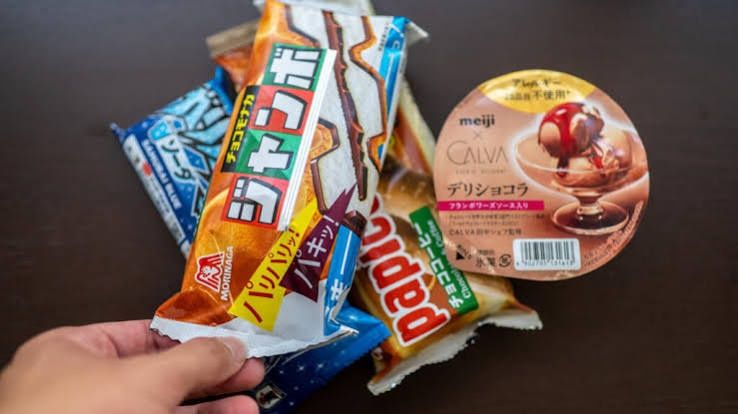
Japan's competition authorities have launched a significant enforcement action against the nation's ice cream industry, raiding the head offices of six major manufacturers on suspicion of operating a coordinated pricing cartel. The move comes as the summer season approaches, traditionally the most profitable period for frozen dessert producers, suggesting the Japan Fair Trade Commission (JFTC) is determined to protect consumers during peak demand months.
The targeted companies include household names in the Japanese market: Meiji Co., Morinaga Milk Industry Co., Lotte Co., Ezaki Glico Co., Morinaga & Co., and Akagi Nyugyo Co. According to sources familiar with the investigation, company officials are suspected of using emails and in-person meetings to orchestrate price increases over a sustained period, carefully timing announcements and determining the magnitude of hikes to minimise competitive pressure among themselves. This level of coordination suggests a deliberate, systematic approach to market manipulation rather than coincidental pricing decisions.
The timing of these raids carries particular significance for Japanese consumers. Ice cream represents a major category during summer months, when high temperatures drive substantial consumption across the country. By investigating whether firms have used the season to implement unjustified price increases, the JFTC is effectively shielding consumers during their most price-vulnerable period. The watchdog's focus reflects growing concern that companies may have exploited inflationary pressures as cover for aggressive pricing strategies.
Evidence of coordinated behaviour stretches back several years. Since approximately 2022, these six firms have implemented retail price increases on a remarkably synchronised schedule, according to Japanese media reports. This pattern—where major competitors independently decide to raise prices at virtually identical times—raises substantial red flags for competition authorities. The consistency suggests that market forces alone are unlikely responsible for such perfect timing, pointing instead toward deliberate coordination among competitors.
The JFTC's investigation extends beyond simply examining whether companies colluded on prices. The watchdog is also scrutinising whether firms exploited the inflationary environment to implement increases that far exceeded the actual rise in raw material costs. This distinction matters considerably: companies can justify price increases when input costs genuinely spike, but inflating prices beyond such justification constitutes economic harm to consumers. By examining the relationship between ingredient cost inflation and retail price adjustments, investigators can determine whether companies used macroeconomic conditions as convenient camouflage for opportunistic pricing.
The ice cream sector has experienced remarkable growth in Japan, particularly during hot weather periods. In the fiscal year ending March 2023, ice cream sales reached a record exceeding 660 billion yen, according to the Japan Ice Cream Association. This unprecedented revenue coincided with Japan experiencing its hottest summer since official records began in 1989, creating conditions where demand surged dramatically. Such extraordinary circumstances may have presented temptation for companies to coordinate price increases, betting that consumers desperately seeking cooling relief would accept higher costs.
Most of the implicated companies responded to the raids by issuing formal statements pledging cooperation with investigators. Natsuyo Suzuki of Akagi Nyugyo explicitly confirmed the firm's willingness to work with the JFTC following the on-site inspection. These measured responses suggest the companies recognise the seriousness of the investigation and prefer to avoid amplifying tensions through defensive positioning. However, pledging cooperation is standard practice in competition cases and does not necessarily indicate admission of wrongdoing.
The potential consequences for the ice cream manufacturers are substantial. Should the JFTC determine that a cartel existed, it possesses authority to impose significant fines and mandate business practice improvements. These enforcement tools serve dual purposes: they penalise the specific misconduct while also deterring similar behaviour across other Japanese industries. Given that ice cream is a visible consumer product, a high-profile enforcement action would send clear signals to companies throughout the food and beverage sector regarding competition law expectations.
For Malaysian and Southeast Asian observers, this case illuminates how developed markets approach competition enforcement during inflationary periods. As several regional economies have grappled with rising prices in recent years, similar patterns may exist in other countries' consumer goods sectors. The Japanese authorities' willingness to investigate whether inflation served as cover for coordinated pricing provides a template that competition regulators elsewhere might consider adopting. Regional economies increasingly recognise that protecting consumer welfare during price-sensitive periods requires active enforcement rather than passive acceptance of industry explanations.
The ice cream cartel investigation also reflects broader shifts in competition policy globally. Authorities increasingly scrutinise digital communications, email trails, and meeting records to document coordination. The suspected use of emails and meetings in this case demonstrates that even in modern business environments, traditional evidence of collusion—written and verbal communications—remains centrally important. Regulators in emerging markets can learn from Japan's investigative approach, particularly regarding how to identify and document coordination across distributed organisations.
The case carries implications for Japanese consumers and the broader regional market. If price-fixing is confirmed, it suggests consumers have paid inflated prices during a period when financial pressures were already considerable. For ice cream manufacturers across Southeast Asia, the JFTC's action serves as a cautionary reminder that competition authorities are alert to coordinated pricing schemes, particularly during high-demand seasons. The enforcement action may also influence how international companies operating in Japan's market structure their pricing and communication practices.