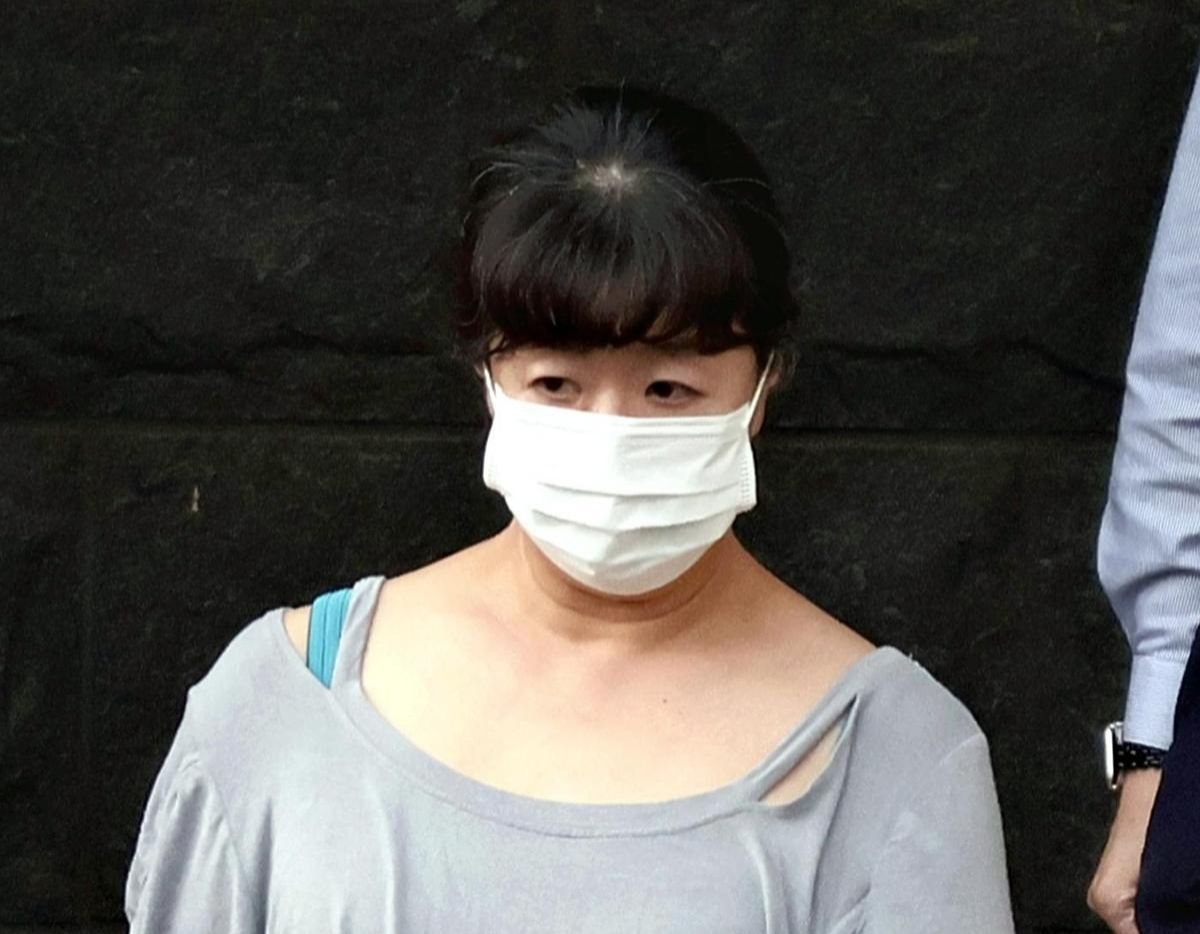
A midwife working at a hospital in Chiba Prefecture has been arrested on suspicion of deliberately contaminating a patient's intravenous tube with faecal matter, leading to the man's death. Miyuki Furukawa, 51, from Kashiwa, was taken into custody on Wednesday as police launched an investigation into what authorities are treating as a case of murder. The incident occurred at Kashiwa Tanaka Hospital in the early hours of January 30, when the victim, a 75-year-old man from Toride in neighbouring Ibaraki Prefecture, was receiving medical treatment.
According to police findings, Furukawa is believed to have inserted faeces into the extension tube of the patient's IV drip at approximately 3:55 in the morning. The 75-year-old man subsequently deteriorated and died later that day around 10:30 in the evening. Investigators from Chiba prefectural police have not yet disclosed what may have motivated such an act, though they are actively examining Furukawa's background and her interactions with hospital staff and patients. The charge of murder carries serious legal consequences in Japan's judicial system, reflecting the severity with which authorities view this alleged deliberate act.
The case raises significant questions about hospital safety protocols and patient protection measures in Japanese medical facilities. Medical centres across the country maintain strict hygiene standards for intravenous therapy, as contaminated IV lines pose extreme risks including severe infection, sepsis, and organ failure. That such a breach could occur suggests potential gaps in supervision and monitoring systems that are typically in place to prevent unauthorised interference with patients' medical equipment. Hospitals must implement multiple safeguards to ensure that only authorised medical personnel access critical treatment apparatus, and this incident may prompt facilities nationwide to review their security procedures.
The case also highlights broader concerns within Japan's healthcare workforce regarding mental health support and workplace conditions. Questions have arisen in similar cases about whether healthcare professionals experiencing personal difficulties or psychological distress receive adequate assistance. Staff welfare programmes and monitoring systems for those exhibiting concerning behaviour become crucial preventive measures. The investigation will likely examine whether there were any warning signs or previous incidents that might have alerted hospital management to potential risks posed by this employee.
For the family of the deceased patient, this discovery transforms what may have initially been understood as natural death or complications from existing illness into a situation involving alleged criminal intent. The elderly man's relatives in Ibaraki Prefecture will be processing not only grief but also the shocking reality that their loved one may have been deliberately harmed while in a position of vulnerability, dependent on medical professionals for care. This case underscores the fundamental trust patients and families place in healthcare institutions and the devastating consequences when that trust is violated.
The incident at Kashiwa Tanaka Hospital will likely affect public confidence in the facility and potentially influence patient choices regarding where to seek medical care in the region. Hospital administrators must address the situation transparently, cooperate fully with authorities, and demonstrate commitment to preventing such occurrences in future. The reputation of the institution depends not only on the quality of medical care but also on demonstrating that it maintains rigorous standards for staff conduct and patient safety.
From a legal perspective, establishing clear evidence for murder charges in medical settings presents particular challenges for prosecutors. Investigators must determine how Furukawa accessed the contamination materials and the IV equipment, establish timeline consistency, and rule out accidental contamination or alternative explanations. Forensic evidence and witness testimony will be critical in building a case that satisfies Japan's legal standards for proving guilt beyond reasonable doubt. The medical examiner's findings regarding the actual cause of death—whether contamination directly caused fatal infection or exacerbated existing conditions—will also influence how the prosecution proceeds.
This case will likely generate discussion within Japanese healthcare administration circles regarding recruitment screening, background checks, and psychological evaluations for medical personnel. Nursing and midwifery professional bodies may review their codes of conduct and training programmes to emphasise ethical responsibilities and patient protection. The incident serves as a stark reminder that healthcare systems cannot rely solely on regulatory frameworks but must foster a workplace culture where patient safety is paramount and colleagues feel responsibility for monitoring one another's conduct.
Regional authorities are expected to provide updates on the investigation's progress and the specific evidence police have gathered. The Chiba prefectural police investigation will need to determine whether this was an isolated incident or whether there are concerns about other patients who may have been under Furukawa's care. Such questions are routine in cases involving healthcare professionals accused of harming patients. Ultimately, this case represents a significant breach of the trust and responsibility that society places in those who dedicate their careers to healing and caring for vulnerable individuals.

