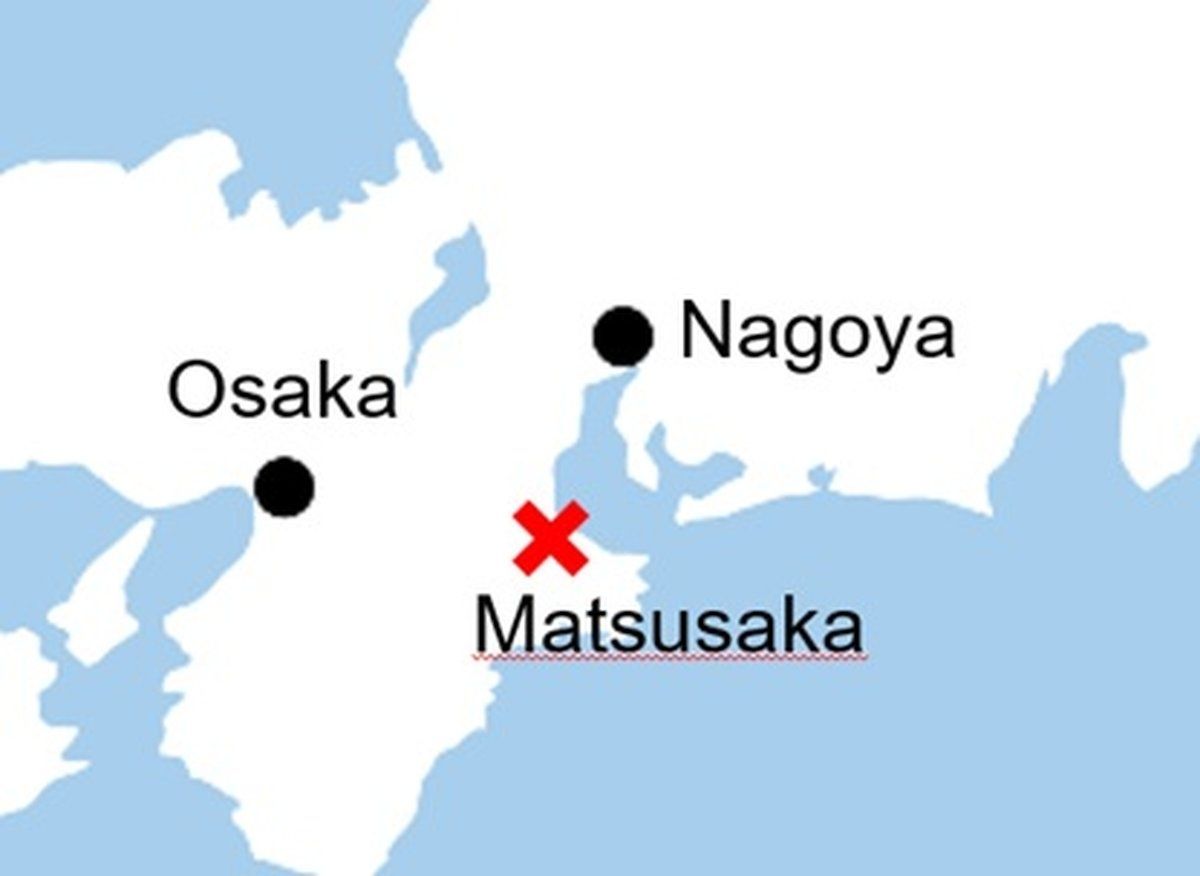
A 35-year-old resident of Matsusaka in Mie Prefecture has been taken into custody following allegations that he confined his partner's young daughter inside a garbage bin as a form of punishment. Police arrested the man on Thursday, June 18, after the incident came to light through child welfare authorities. The suspect has reportedly acknowledged the allegations against him, though he has characterised the disturbing act as a disciplinary method rather than abuse.
The alleged confinement occurred on the evening of May 12 at the man's partner's home in Mie Prefecture. According to police accounts, the man transported the five-year-old girl to the refuse container, placed her inside, and closed the lid at approximately 6.30pm. The child remained trapped in the garbage can for roughly five minutes before being removed. Despite the harrowing nature of the incident, the girl sustained no physical injuries during her confinement, though the psychological impact of such an experience on a young child raises serious concerns about her wellbeing.
The case gained official attention only after a significant delay. It was not until May 20, eight days after the incident occurred, that a child welfare centre became aware of what had transpired. This temporal gap underscores a recurring challenge in child protection systems: the difficulty in identifying and acting upon abuse when it occurs within private domestic settings without immediate intervention or external witnesses. Once the welfare centre learned of the confinement, they promptly notified law enforcement authorities, initiating the investigation that led to the arrest.
The authorities' response extended beyond the immediate suspect. Recognising potential risks to other children in the household, the girl's older sister was also placed into the protective custody of the child welfare centre. This precautionary measure reflects standard practice in jurisdictions where multiple minors may have been exposed to abusive behaviour, allowing officials to assess their safety and provide necessary support if required. The involvement of child protective services signals that authorities are treating this case with appropriate seriousness and are prepared to safeguard vulnerable household members.
The perpetrator's framing of the act as "discipline" illuminates the dangerous gap between punishment and abuse that can manifest in some caregiving situations. While parenting approaches vary across cultures and communities, confining a small child in a garbage container crosses widely recognised thresholds of acceptable child-rearing practice. This rationalisation raises questions about the man's understanding of appropriate boundaries and whether he had engaged in other disciplinary practices that might similarly cross the line into harmful conduct. His willingness to describe such an action in neutral or positive terms suggests a potentially distorted perspective on how children should be treated.
This incident occurs within a broader context of child welfare concerns in Japan and across East Asia more generally. Malaysia and other regional nations have grappled with similar challenges in protecting vulnerable children from mistreatment by caregivers, whether biological parents or stepparents and partners. The delay in this case's discovery—eight days between the incident and official notification—highlights the importance of robust reporting mechanisms and community awareness that empower individuals to alert authorities when they suspect a child is being harmed.
The case also raises questions about the systems in place to monitor children in households where domestic relationships are fluid or where stepparents or partners assume caregiving roles. In situations where a child's biological parent may not live with or regularly supervise the household, ensuring adequate oversight and protection becomes more complex. Schools, healthcare providers, and community organisations often serve as critical checkpoints where trained professionals might identify signs of neglect or abuse and escalate concerns through proper channels.
From a legal perspective, the charges appear to centre on unlawful confinement of a minor, a serious criminal matter in most jurisdictions including Japan. The fact that the suspect has admitted to the actions described strengthens the prosecution's case, though questions remain about what additional charges might be pursued and what sentences the court will consider appropriate. The determination of culpability and appropriate punishment will likely engage broader discussions about accountability for those entrusted with children's care.
The psychological dimensions of this incident extend beyond immediate physical safety. Confining a young child in a dark, cramped space designed for waste disposal could constitute trauma with lasting emotional consequences, even if the physical confinement lasted only five minutes. Child development experts recognise that experiences of powerlessness, fear, and violation during formative years can affect psychological development and trust in caregivers. The girl's recovery and adjustment following this experience will likely be monitored by the welfare authorities who have taken her case under their supervision.
For Malaysian readers and observers across Southeast Asia, this case serves as a reminder of the importance of maintaining vigilant child protection systems that can respond swiftly when abuse is suspected or reported. It underscores the necessity of public awareness campaigns that help community members recognise signs of mistreatment and feel empowered to report concerns. It also highlights the critical role of institutions like schools, clinics, and welfare centres in acting as safeguards for children who cannot protect themselves.

