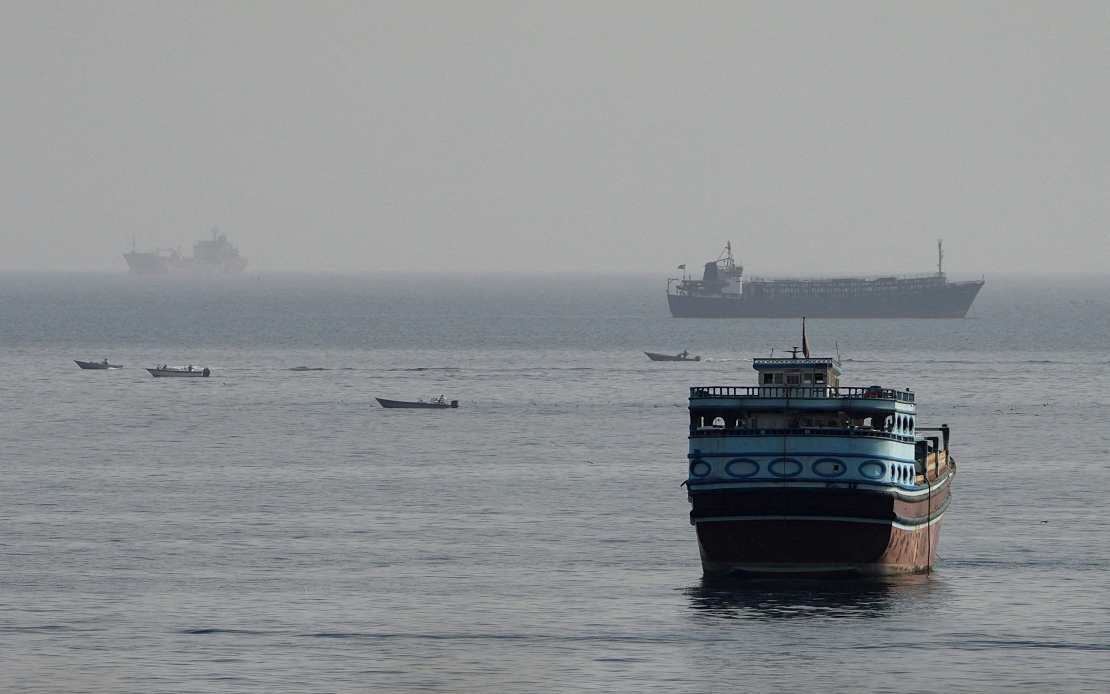
Japanese Prime Minister Sanae Takaichi has publicly emphasized the critical need to keep the Strait of Hormuz free from additional tolls and charges, conveying this position directly to Iran's President Masoud Pezeshkian during a telephone conversation on Wednesday. The appeal comes at a time when one of the world's most strategically important maritime corridors has become effectively impassable owing to escalating tensions and stalled diplomatic efforts between Washington and Tehran. For resource-dependent nations across Asia, including Malaysia, such disruptions to global shipping lanes carry significant implications for energy security and supply chain stability.
The conversation between Takaichi and Pezeshkian marked their first direct engagement since June, and represents the fourth instance of communication between the two leaders since tensions intensified following the outbreak of hostilities between the United States and Israel against Iran in late February. Japan's consistent effort to maintain dialogue with Iran underscores Tokyo's pragmatic approach to Middle Eastern geopolitics, balancing its alliance commitments with Washington against historical commercial and diplomatic relationships spanning decades. This delicate diplomatic balance is particularly relevant for Southeast Asian countries that similarly seek to preserve economic ties across geopolitical divides.
Beyond the Hormuz transit issue, Takaichi voiced serious apprehension regarding developments unfolding in the Bab el-Mandeb Strait, the narrow maritime passage separating Yemen from Eritrea on the opposite flank of the Arabian Peninsula. She specifically requested that Iran exert considerable pressure on the Houthis, the Yemen-based militant faction aligned with Iranian interests, to demonstrate restraint and cease their disruptive maritime operations. This bifocused concern demonstrates how shipping challenges have become geographically dispersed, with threats to regional commerce now emanating from multiple chokepoints simultaneously.
The Houthi movement announced in July what it characterized as a "maritime blockade," primarily targeting vessels associated with Saudi Arabia and its commercial interests. This declaration has evolved from rhetorical posturing into concrete military action, as confirmed by Yemeni authorities who reported on Tuesday that Houthi forces had executed a significant assault on a commercial cargo vessel transiting the Bab el-Mandeb Strait. The attack resulted in fatalities among the ship's crew, underscoring the genuine hazard posed to international maritime commerce in these contested waters.
The strategic importance of the Bab el-Mandeb Strait has increased markedly precisely because of the effective closure of the Strait of Hormuz. Shipping companies and oil traders have begun routing crude oil and other essential commodities through this alternative corridor, transforming the Bab el-Mandeb into a critical substitute artery for global energy distribution. However, this concentration of alternate traffic has simultaneously made the strait an attractive target for actors seeking to maximize disruptive impact on international commerce and to leverage maritime chokepoints for geopolitical advantage.
For Southeast Asian nations including Malaysia, these developments carry profound ramifications extending well beyond abstract strategic considerations. The region's manufacturing economies depend heavily on reliable access to Middle Eastern petroleum, and any sustained interruption to energy supplies threatens industrial production, transportation costs, and broader economic competitiveness. Additionally, Malaysian-flagged vessels and Malaysian shipping companies operate extensively throughout these waters, placing nationals directly at physical risk from escalating maritime violence. The situation thus transitions from a regional Middle Eastern crisis into a matter with tangible implications for Southeast Asian prosperity and security.
Japan's diplomatic activism on this issue reflects broader Japanese interests that intersect significantly with Malaysian and regional concerns. As one of Asia's largest energy importers with no domestic petroleum reserves, Japan faces acute vulnerability to Middle Eastern supply disruptions. Tokyo's willingness to engage directly with Iranian leadership, despite its alliance with the United States, demonstrates recognition that diplomatic channels must remain open to address practical shared interests in maritime stability, even amid broader geopolitical competition.
The reference to US-Iran negotiations that remain stalled suggests underlying structural obstacles preventing resolution of the broader confrontation between Washington and Tehran. These diplomatic deadlocks create prolonged uncertainty about whether current maritime disruptions represent temporary phenomena or harbingers of sustained conflict. For Malaysian policymakers and business leaders, this ambiguity complicates strategic planning and risk assessment, as investments and commercial decisions must account for potentially protracted instability rather than near-term resolution.
Takaichi's emphasis on maintaining free passage through Hormuz without additional impositions carries implicit acknowledgment of historical precedent and international law. The principle of freedom of navigation through international straits constitutes a cornerstone of the post-World War II maritime order, and any departure from this norm would fundamentally alter global shipping economics and precedent. Malaysia's own maritime interests and geographical position as a littoral state with significant shipping traffic moving through regional straits makes it naturally aligned with Japan's position supporting free transit principles.
The coordination between Japan and Iran through these conversations also illuminates how middle powers can maintain independent foreign policy perspectives even while aligned with larger strategic blocs. Japan's traditional amicable relationship with Iran, maintained despite being a close United States ally, provides a potential model for other regional states seeking to navigate between competing great power demands. For Southeast Asia, where many nations similarly seek strategic autonomy while managing great power relationships, Japan's balancing act offers instructive lessons in diplomatic flexibility and pragmatic engagement.
Looking forward, the persistence of these shipping disruptions raises questions about whether additional multilateral dialogue involving Asian stakeholders might achieve outcomes that bilateral US-Iran engagement has not. Japan's continued engagement suggests recognition that resolution requires inclusive dialogue addressing legitimate security concerns across multiple parties rather than maximalist approaches that leave participants unable to claim diplomatic victory. Such cooperative frameworks involving maritime stakeholders from across Asia could prove essential to restoring the stability upon which regional prosperity ultimately depends.

