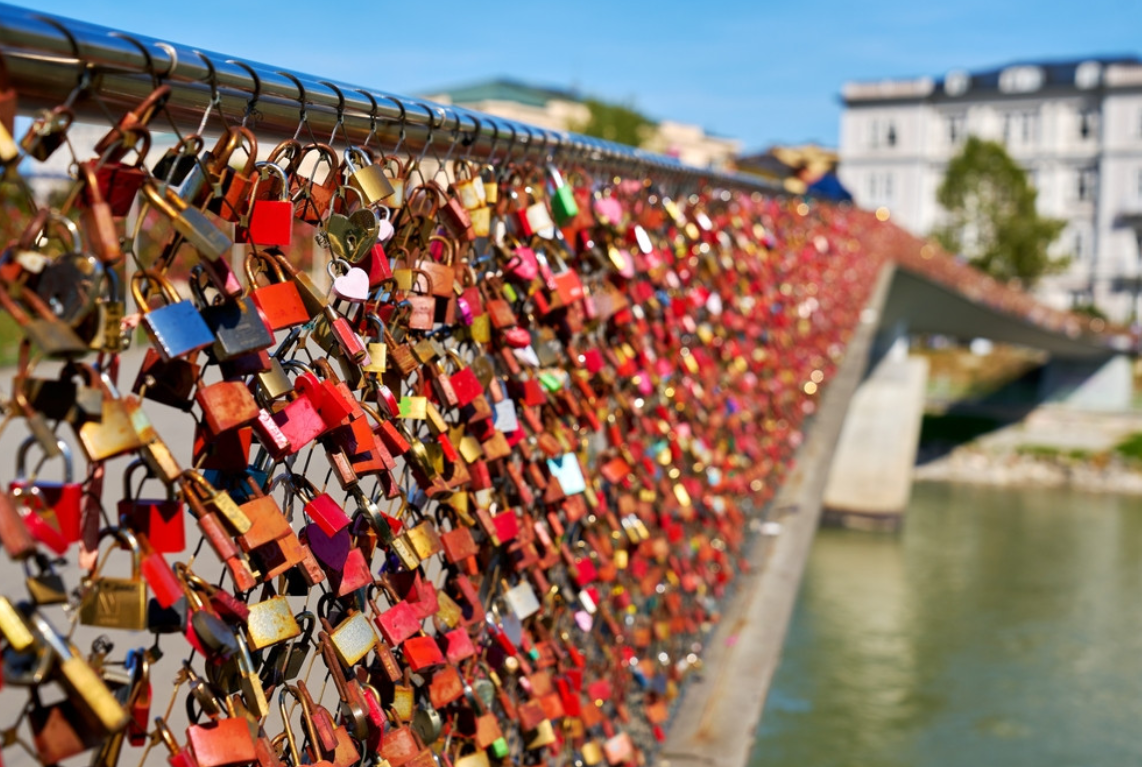
Jakarta's administration is pursuing an ambitious beautification initiative that has become a flashpoint for discussions about urban development priorities in Southeast Asia's largest metropolis. Governor Pramono Anung has proposed constructing three to four pedestrian bridges spanning the Cideng River in South Jakarta, with the romantic installations inspired by similar attractions that have become cultural landmarks in Paris and Seoul. The governor envisions these structures as dedicated spaces where young couples can affix padlocks and contribute to colourful displays of affection, reflecting a growing global trend of turning cities into Instagram-worthy destinations.
The project is positioned as part of a broader Rp 91 billion revitalisation scheme targeting Jalan Rasuna Said, one of Jakarta's most congested and commercially significant corridors. Beyond the love lock bridges, the comprehensive urban renewal programme will encompass sidewalk renovations and the removal of deteriorating concrete pillars left behind from an abandoned monorail project initiated in the early 2000s. Special gubernatorial staffer Cyril Raoul "Chico" Hakim has emphasised that the bridge designs will blend modern aesthetic principles with practical pedestrian functionality, positioning the work as more than mere ornamentation.
However, the initiative has encountered substantial resistance from urban planning professionals and everyday Jakarta residents who question whether limited municipal resources should be directed toward such ventures. Karlina, a 27-year-old office worker in the Mega Kuningan business precinct adjacent to Jalan Rasuna Said, expressed scepticism about the project's appeal to younger demographics. She noted that despite the romantic concept's novelty value, the area's character as a corporate and commercial hub rather than a leisure destination makes it unlikely that people would deliberately travel there during their free time. Her perspective reflects a broader concern that the project may become merely ornamental rather than genuinely enhancing the urban experience.
Young professionals increasingly gravitate toward destinations offering free public gathering spaces with convenient access via reliable public transportation networks, according to observations from residents in the district. The love lock bridge concept, while visually appealing, may miss the mark in addressing what Jakarta's younger generation actually desires from urban spaces. This disconnect between the administration's vision and residents' actual preferences suggests that consultation processes may not have adequately captured community input before resource allocation decisions were finalised.
Urban planning scholar Trubus Rahadiansyah has levelled particularly sharp criticism at the project, characterising it as a "gimmick" that elevates symbolic value over functional necessity. He contends that Jalan Rasuna Said's overwhelming dominance of vehicular traffic, with pedestrians comprising a minority share of corridor usage, makes the location unsuitable for a pedestrian-focused amenity project. Rather than investing in bridges designed primarily for romantic gestures, Trubus advocates redirecting this capital toward infrastructure addressing genuine mobility challenges and safety imperatives throughout the city's transport network.
The scholar's objections gain particular weight when contextualised against Jakarta's persistent transportation safety deficiencies. In April, a devastating collision between a Commuter Line train and the Argo Bromo Anggrek intercity service at a level crossing in Bekasi resulted in multiple fatalities and injured at least 91 people. Preliminary investigations indicate the accident resulted from a commuter train striking a vehicle that had become immobilised at the railway crossing, a scenario that urban planning experts attribute to inadequate safety infrastructure. Many railway crossings throughout Jakarta and its wider metropolitan region currently lack essential protective features including automated gates, leaving commuters vulnerable to preventable accidents.
Trubus argues convincingly that functional infrastructure addressing these safety gaps represents a far more compelling use of municipal resources than aesthetic projects primarily intended to attract visitors and generate social media content. Properly designed pedestrian bridges at dangerous railway crossings, combined with modern gatekeeping systems, could prevent tragic incidents that claim lives and cause injuries. The contrast between investing in solutions to documented hazards and spending on romantic attractions designed to appeal to tourists and Instagram users illustrates differing philosophies about urban development in rapidly modernising cities.
Kevin Wu, a Jakarta city councillor representing the Indonesian Solidarity Party (PSI), has formalised concerns about the project's priorities and called for transparent scrutiny of the budgeting process. He emphasises that Jakarta's municipal government should direct available resources toward equitable development benefiting residents across the city's peripheral areas including West, East, and North Jakarta, which have historically received less development investment than central business districts. His position reflects growing political pressure to ensure that major municipal projects deliver tangible improvements to daily life rather than creating spectacles concentrated in wealthy commercial zones.
Wu's framing of the debate explicitly challenges the impression that iconic, visually striking projects warrant priority over mundane but essential infrastructure serving basic community needs. Improved sidewalk accessibility, genuinely safe pedestrian crossing facilities, and adequate public green spaces constitute the foundational urban amenities that enhance quality of life for ordinary residents navigating daily routines. The love lock bridge initiative, by contrast, appears positioned as an amenity primarily benefiting tourists and affluent young professionals with leisure time and disposable income for discretionary visits.
The Jakarta administration's budget allocation decisions carry implications extending beyond the capital itself, signalling priorities that other Southeast Asian cities may consider adopting as they pursue competitive positioning in the regional and global urban hierarchy. The tension between placemaking investments designed to enhance a city's cultural brand and functional infrastructure addressing basic safety and accessibility needs reflects a broader challenge confronting developing-world metropolises. As cities compete for international investment and tourist attention, municipal officials face pressure to create distinctive attractions, yet cannot ignore residents' expectations that government spending improve their material circumstances.
The love lock bridge project ultimately represents a choice about what Jakarta's administration believes should define the city's identity and investment philosophy. Supporters emphasise cultural vibrancy, romantic appeal, and alignment with global urban trends championed by cities seeking to become lifestyle destinations. Critics counter that such expenditures neglect unsexy but vital requirements such as preventing train accidents and providing universal pedestrian accessibility. This philosophical divide will likely persist as Jakarta continues its ongoing transformation, with implications for how Southeast Asian cities generally balance aspirational urban development with fundamental infrastructure responsibilities.

