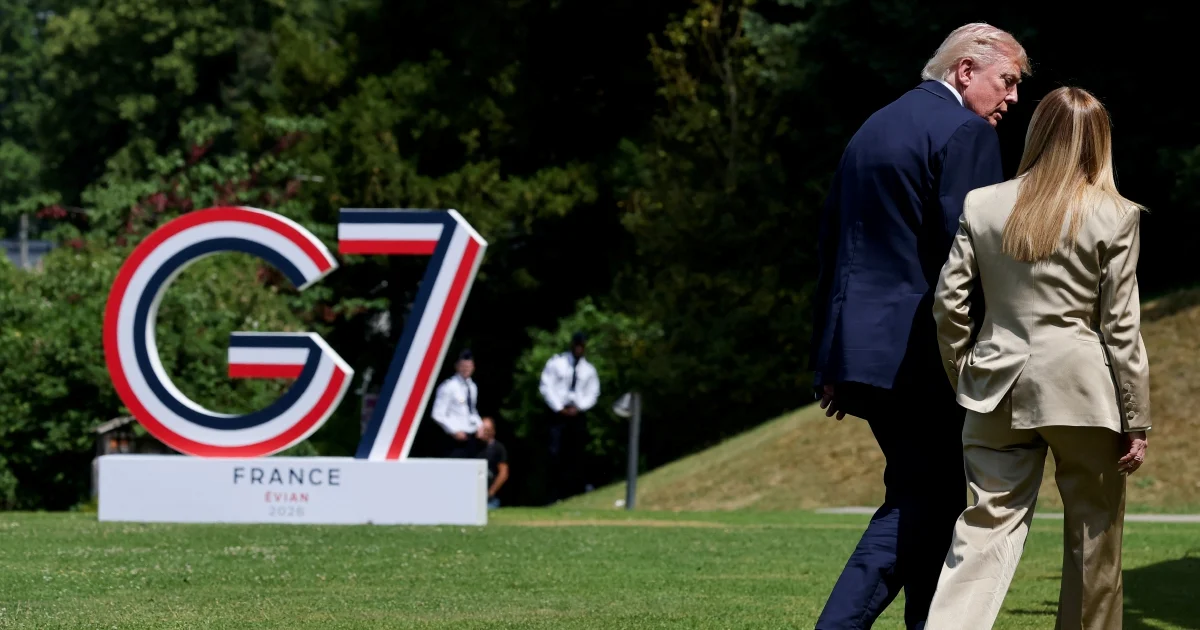
Diplomatic tensions flared between Italy and the United States on Friday following remarks allegedly made by US President Donald Trump about Italian Prime Minister Giorgia Meloni. The US leader's comments, which reportedly depicted the Italian premier as eager for media exposure, provoked a swift and pointed response from the Italian government, exposing strains in what Rome has sought to cultivate as a close relationship with Washington.
Italy's Foreign Minister moved decisively to signal displeasure, announcing the postponement of a scheduled visit to the United States. This step, while symbolic, underscores the seriousness with which the Italian government treated Trump's reported characterisations of Meloni. The cancellation serves as a tangible diplomatic gesture conveying disappointment at what Italian officials regarded as disrespectful remarks about their sitting prime minister during a period when both nations have been emphasizing their strategic partnership.
The comments attributed to Trump appeared to question Meloni's motives by suggesting she had sought opportunities for joint photographic appearances, a characterisation that struck many in Rome as demeaning and inappropriate for dialogue between leaders of two major Western democracies. The incident highlights how personal remarks by major political figures can quickly escalate into broader diplomatic friction, particularly when they touch on questions of national dignity and respect between allied powers.
Italy under Meloni has positioned itself as a close ally of the Trump administration, with the Prime Minister cultivating a relationship that she believes advances Italian interests on issues ranging from European defence spending to Mediterranean security concerns. This latest episode threatens to complicate that carefully constructed alignment, raising questions about the stability of personal relationships between leaders when rhetoric takes on a dismissive tone.
The Italian response reflected broader sensitivities about how the country and its leadership are perceived internationally. Meloni, who leads a coalition government that includes right-wing elements, has worked to establish her credentials as a serious statesman capable of managing complex diplomatic relationships. Trump's reported remarks threatened to undermine that carefully constructed image, depicting her instead as seeking superficial validation through photo opportunities.
The timing of the controversy matters significantly within the context of broader European-American relations. Italy occupies an important position within the European Union and NATO, and tensions between Rome and Washington create complications for coordinating positions on critical issues including Ukraine, trade policy, and defence cooperation. When relationships between key allies become strained over matters of personal respect, it can create downstream complications on substantive policy matters.
Foreign ministry officials in Rome conveyed the government's view that such comments represented an unacceptable way to characterise the leader of a close partner nation. By taking the step of cancelling the planned visit, Italy signalled that diplomatic niceties required more respectful engagement between allied governments. The move effectively placed the burden of repairing relations on Washington, suggesting that Italy expected acknowledgment and modification of approach before further high-level exchanges would take place.
The incident also reflects the broader unpredictability that has characterised Trump's approach to traditional diplomatic protocols. His willingness to make personal remarks about foreign leaders, even those aligned with his political orientation, creates an element of uncertainty for other governments attempting to manage their relationships with the United States. For Italy, which had sought to position itself as a reliable and valued partner, this episode demonstrated the vulnerability of such relationships to sudden shifts in tone and rhetoric.
Observers in Italy questioned whether the reported comments reflected genuine views or were simply casual remarks that had been amplified through media coverage. Regardless of intent, the damage to atmospherics became real once Italian officials chose to respond publically and forcefully. The question now facing both governments involves how quickly they can move past the incident and restore working relationships, particularly given upcoming meetings on defence, trade, and European security that require coordinated Italian-American positions.
For Malaysian and Southeast Asian observers, the incident offers instructive lessons about how even relationships between close allies can become strained when diplomatic courtesy erodes. The region's states, many of which seek to maintain balanced relationships with major powers while navigating great power competition, recognise how important tone and respect remain to stable international relations. The Italy-Trump controversy underscores that even shared political affinities and strategic alignments require consistent reinforcement through respectful engagement.
The path forward for Italy and the United States now depends on whether Washington takes steps to restore confidence in the relationship. Italian officials have signalled their unhappiness clearly, and the cancellation of the foreign minister's visit provides leverage to encourage a more respectful tone in future interactions. Whether Trump and his administration view the episode as requiring course correction or dismiss it as media-amplified tempest will likely determine how quickly normal diplomatic rhythms can resume between Rome and Washington.

