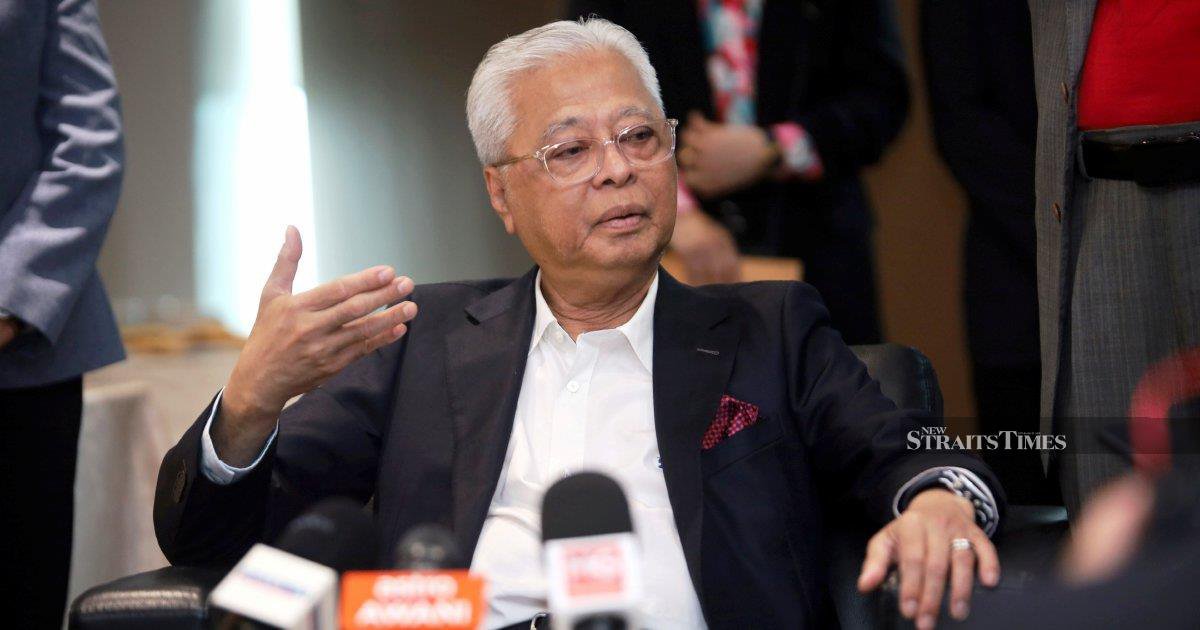
The criminal proceedings against former prime minister Datuk Seri Ismail Sabri Yaakob have been put on hold as the high-profile politician prepares for scheduled medical intervention. His charge reading and formal plea recording, critical procedural steps in any criminal case, have been deferred until August 27, giving the former leader time to undergo pacemaker implantation. The postponement reflects the court's accommodation of legitimate health concerns that could affect the defendant's ability to participate fully in judicial proceedings.
Pacemaker surgery represents a significant medical undertaking, requiring both pre-operative preparation and post-operative recovery time. The device, which regulates heart rhythm through electrical impulses, typically necessitates several weeks of recuperation before a patient can resume normal activities. Courts generally recognise such health circumstances as valid grounds for adjournment, acknowledging that serious medical procedures can temporarily incapacitate individuals and compromise their capacity to engage in complex legal matters. The deferment demonstrates judicial pragmatism in balancing the administration of justice with humanitarian considerations.
Ismail Sabri's situation reflects a broader reality in Malaysian politics, where prominent figures often face legal scrutiny following changes in government. The former prime minister's term in office, which lasted from August 2021 to August 2022, was marked by considerable political turbulence and questions about various governance decisions. Post-tenure inquiries into such matters have become increasingly common, though the nature of the specific charges against him remains to be formally recorded in court.
The medical development adds a humanitarian dimension to what might otherwise be perceived as a straightforward legal matter. Public figures undergoing serious health challenges often attract broader public sympathy, even among political opponents. The pacemaker implant suggests that Ismail Sabri has underlying cardiac conditions requiring intervention, a situation that transcends partisan political divisions and resonates with the general population's understanding of health vulnerabilities.
The August 27 hearing date marks a significant point in what could be a lengthy legal process. Charge reading and plea recording represent early but consequential stages in criminal proceedings. During the charge reading, the accused is informed of the specific allegations against him, while the plea recording documents his initial response to those charges. These procedures establish the foundational framework for all subsequent legal arguments and defence strategies. Deferring these steps necessarily extends the overall timeline of the case.
For Malaysian legal observers, this case exemplifies how the criminal justice system navigates the intersection of individual rights, procedural fairness, and public interest. The decision to accommodate Ismail Sabri's medical needs reflects principles embedded in Malaysian law that recognise the dignity and practical limitations of defendants, even those holding previous high office. It also underscores that no individual, regardless of political standing, receives preferential treatment beyond what the law legitimately permits.
The postponement carries implications for court schedules and judicial resources, as judges and courtrooms must accommodate rearranged calendars. Malaysia's court system, already managing significant caseloads, must balance the efficient administration of justice against the practical realities of participants' circumstances. Cases involving former government leaders typically attract media attention and public interest, potentially affecting how court time and judicial resources are allocated within a crowded docket.
Ismail Sabri's medical situation also serves as a reminder of the physical toll that high-level politics can exact on individuals. Cardiac conditions may develop or worsen under stress, and the demands of holding high office, particularly during periods of political instability, can exact genuine physiological consequences. Whether his health issues preceded, coincided with, or followed his tenure as prime minister remains a matter of individual circumstance.
The August 27 hearing will represent a watershed moment when Ismail Sabri must formally engage with the charges against him. By that date, he will have completed his medical procedure and, presumably, achieved sufficient recovery to participate in judicial proceedings. The transition from medical intervention to legal confrontation encapsulates the complex intersection of personal health and public accountability that characterises high-profile political cases.
Looking forward, observers of Malaysian politics will monitor how this case progresses through the court system. The timeline established by the August 27 hearing will set expectations for subsequent procedural steps, trial preparation, and eventual judgment. For Ismail Sabri, the coming weeks represent a convergence of personal health restoration and legal navigation, two demanding processes unfolding simultaneously. The nation's judicial system, meanwhile, continues its role in ensuring that accountability mechanisms function fairly and transparently, regardless of the defendant's previous status.

