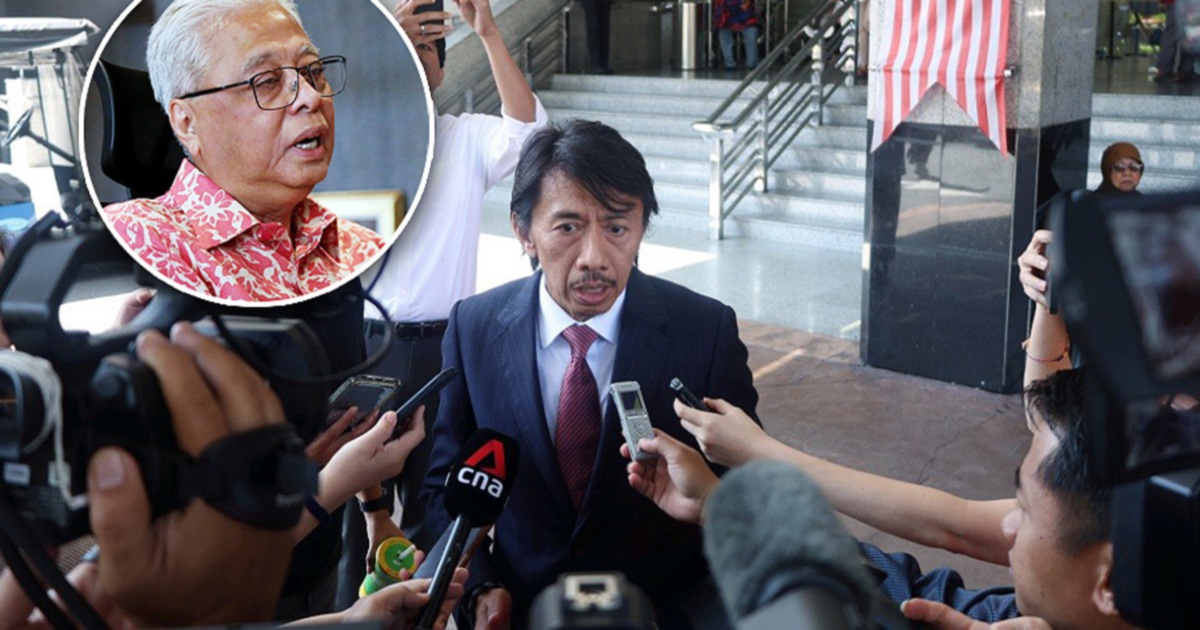
Former Prime Minister Datuk Seri Ismail Sabri Yaakob is pressing ahead with his defence strategy despite encountering recent health complications, maintaining that he will vigorously contest the charges being brought against him under the Malaysian Anti-Corruption Commission (MACC) Act. The veteran politician's determination to vindicate himself publicly signals his intention to engage substantively with the legal process rather than seek any form of settlement or plea arrangement.
The upcoming proceedings represent a significant moment in Malaysia's recent political history, as high-ranking officials now face serious corruption allegations with increased frequency. Ismail Sabri's case underscores the evolving landscape of accountability mechanisms in the country, where the MACC has expanded its investigative reach and prosecutorial ambitions. His stated resolve to contest the allegations indicates he is not prepared to accept culpability, positioning the forthcoming trial as potentially contentious and closely watched by observers of Malaysian governance and rule of law developments.
Health setbacks during protracted legal proceedings are not uncommon, particularly for individuals of advancing age facing complex multi-count charges. Ismail Sabri's willingness to proceed despite these personal difficulties reflects either considerable confidence in his legal position or a determination that his political reputation demands a full exoneration through the courts rather than any negotiated outcome. The distinction carries weight in Malaysian political circles, where the nature of a person's legal resolution shapes their future rehabilitation and electoral viability.
The charges under the MACC Act carry implications beyond the individual defendant. Malaysia's anti-corruption infrastructure has faced periodic criticism for selective enforcement and political instrumentalisation, particularly when charges target opposition figures or those who have fallen from favour. How the case against Ismail Sabri unfolds will inevitably feed into broader assessments about whether the MACC operates with consistency and genuine independence from political influence.
Ismail Sabri's tenure as Prime Minister from August 2021 to November 2022 occurred during a turbulent period of Malaysian politics characterised by shifting coalition dynamics and factional disputes within the ruling Barisan Nasional alliance. His premiership followed several years of political instability and constitutional crises that had undermined public confidence in institutional stability. The allegations against him, therefore, carry symbolic weight beyond the specific factual disputes at issue, representing questions about governance during a particularly fragile constitutional moment.
Managing a serious criminal defence while simultaneously recovering from health challenges requires substantial personal and financial resources. Former government leaders typically have access to experienced legal counsel and support networks that private citizens might lack, yet the emotional and physical toll of extended litigation remains considerable. Ismail Sabri's public statements emphasizing his determination to clear his name serve a dual purpose: reassuring his political supporters and family while signalling to the court system that he intends to mount a vigorous, complete defence rather than a limited or perfunctory one.
The Malaysian legal system's handling of high-profile cases involving former government officials attracts significant attention both domestically and internationally. Observers assess not only the substantive outcomes but also procedural fairness, courtroom conduct, and whether defendants receive equal treatment regardless of their former status or political connections. Ismail Sabri's case will inevitably become a reference point for evaluating how Malaysia's judiciary manages such sensitive matters during a period when public trust in institutions remains fragile.
For the wider Southeast Asian context, Malaysia's approach to prosecuting former leaders sends messages about accountability mechanisms in the region. Several neighbouring countries have experienced comparable tensions between holding powerful figures legally accountable and managing the political fallout from such prosecutions. How Malaysia navigates the Ismail Sabri proceedings will inform assessments about the durability of its anti-corruption institutions and their capacity to function independent of political pressures.
The personal dimension of Ismail Sabri's health struggles deserves recognition, as individuals facing criminal prosecution often experience anxiety, stress, and physical consequences that complicate their ability to participate fully in their own defence. His public statement of resolve may represent both a genuine commitment to vindication and a mechanism for managing the psychological burden of protracted legal uncertainty. The intersection of personal adversity and public legal proceedings creates a complex human story beneath the institutional and political dimensions.
As the formal proceedings approach, observers will scrutinise not only the evidence and arguments presented but also the procedural conduct of all parties involved. Ismail Sabri's statement positions him as someone unwilling to accept the accusations passively, setting expectations for an adversarial rather than cooperative approach to the legal process. This posture carries implications for timeline, media attention, and the political reverberations that will accompany each major court ruling or procedural development throughout what promises to be an extended and closely followed case.

