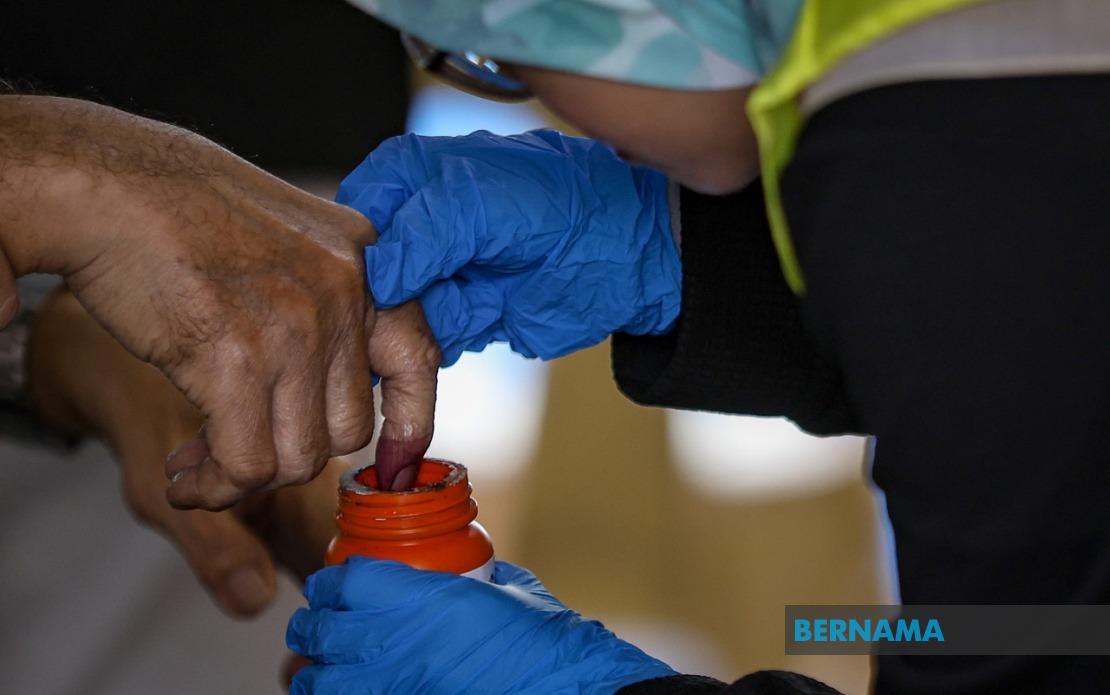
The Johor state election witnessed an orderly progression of voting operations across its maritime constituencies on July 11, with Balai Raya Pulau Besar becoming the first polling station to conclude its operations. According to Tenggaroh state constituency returning officer Jamil Hasni Abdullah, the facility on Pulau Besar—which served just 32 registered voters across a single voting channel—closed its doors at 11 am, reflecting the relatively contained electorate concentrated on the state's outlying islands.
The staggered closure of polling centres across Johor's island communities underscored the logistical complexities of managing elections in geographically dispersed areas where population densities are considerably lower than mainland constituencies. Two additional voting stations, Balai Raya Pulau Aur and Sekolah Kebangsaan Pulau Pemanggil, concluded their operations at noon, whilst Balai Raya Pulau Sibu and SK Pulau Tinggi remained open until 2 pm. This phased approach to closing voting centres enabled election officials to manage voter flows efficiently while ensuring that all eligible residents in even the most remote communities had adequate opportunity to participate in the democratic process.
The five island-based polling locations collectively served 690 registered voters, illustrating the substantial dispersion of electoral participation across Johor's maritime geography. These island constituencies, whilst containing relatively small electorates compared to urban or suburban areas, nonetheless represent important components of the state's representative democracy. The establishment of dedicated polling facilities on each island demonstrates the Election Commission's commitment to facilitating access to voting regardless of geographical isolation, though such arrangements require careful coordination and resource allocation.
Election Commission figures disclosed that by 1 pm, the voting process across the entire state had attracted participation from 1,130,980 voters, representing 42.16 per cent of the total registered electorate exceeding 2.6 million. This midday turnout snapshot provided early indication of voter engagement levels, though the final participation rates would only become evident following the 6 pm closure of all remaining polling stations statewide. The 42% turnout by midday suggested reasonable enthusiasm among the electorate, positioning Johor for potentially solid overall participation rates upon conclusion of voting operations.
The timing of voting operations reflected standard electoral procedures established by Malaysia's election authorities, with the full polling day extending from morning hours until 6 pm. This extended voting window accommodates working voters and those with varying daily schedules, attempting to maximise accessibility across diverse demographic groups. For island residents, the earlier closure times at smaller facilities represented practical concessions recognising their limited populations and the need to transport election officials and materials back to larger population centres before nightfall.
Johor's 16th state election represented a significant electoral exercise within Malaysia's federal structure, determining the composition of the state assembly and mandate for the incoming government. The maritime constituencies participating in this election cycle, though containing smaller voter populations than their peninsula counterparts, carry equivalent legislative weight, with each assemblyperson representing their constituents in the state parliament. The successful conduct of voting operations across these island communities reflected established protocols designed to ensure electoral integrity and voter accessibility.
The Election Commission's real-time reporting of turnout figures at regular intervals throughout the day provided transparency regarding voting patterns and helped election managers anticipate final outcome scenarios. Such data enables officials to project resource requirements at vote-counting facilities and alerts political parties to voter mobilisation effectiveness. The 42% midday figure positioned forecasters to estimate likely overall turnout, though variations in afternoon and evening voting behaviour could still substantially influence final participation percentages.
For Malaysian electoral observers, island-based voting centres represent unique operational challenges differing markedly from urban polling stations. Transportation logistics, weather considerations, and the necessity to transport voting materials across water create complexity that mainland constituencies avoid. The successful sequential closure and operations across Pulau Besar, Pulau Aur, Pulau Pemanggil, Pulau Sibu, and Pulau Tinggi demonstrated the Election Commission's capability to manage geographically diverse electoral landscapes whilst maintaining procedural standards.
The Johor state election's execution across maritime constituencies carries implications for electoral administration throughout Southeast Asia's island nations and states. Malaysia's experience managing voting in geographically dispersed communities offers lessons relevant to other regional democracies confronting similar logistical considerations. The apparent smoothness of island voting operations in Johor suggests that careful planning and established protocols effectively address challenges inherent in non-contiguous electoral jurisdictions.
As voting continued through the afternoon and towards the 6 pm deadline, attention focused on whether the midday participation rate would accelerate or moderate during final hours. Island voters had already demonstrated participation, with their stations closing early, shifting the emphasis to mainland constituencies where substantially larger electorates would determine state-level outcomes. The Johor election's progression throughout July 11 would ultimately reshape the state's political configuration and governance direction for the ensuing term.

