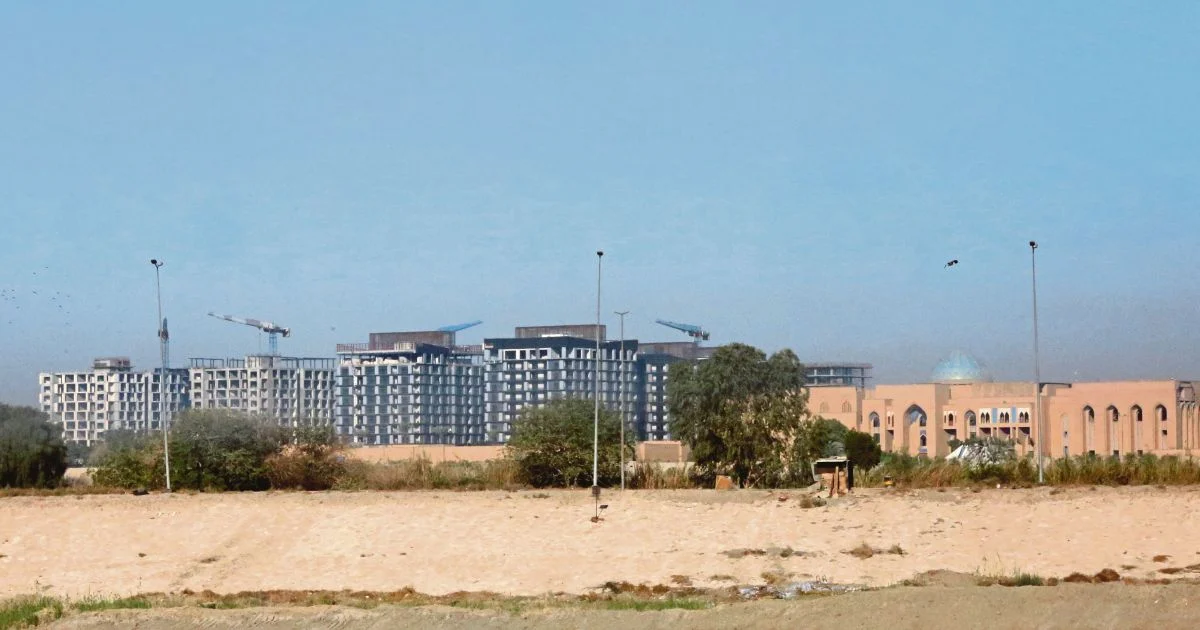
Iraqi security forces mounted an extensive operation in Baghdad's heavily protected Green Zone during the early hours of Sunday, targeting multiple officials and elected representatives on suspicion of corruption-related offences. The raids represent a significant show of force within the nation's most secure administrative enclave, typically home to parliament, government ministries, and diplomatic missions. The scale of the enforcement action underscores growing momentum behind anti-corruption initiatives at the highest levels of Iraqi governance.
Security personnel deployed throughout the fortified district in substantial numbers, establishing a visible presence as authorities moved through various government buildings and official residences. The sheer volume of forces mobilised for the operation conveyed the government's determination to pursue high-profile cases, a departure from previous patterns where corruption investigations often languished without prosecution. Such demonstrations of state capacity within the Green Zone carry symbolic weight beyond the immediate arrests, signalling to observers both domestically and internationally that accountability mechanisms are functioning.
Among those detained were sitting members of parliament, whose arrest punctuates longstanding concerns about institutional integrity within Iraq's legislative body. Parliamentarians occupy unique legal positions in many jurisdictions, often enjoying immunity provisions that complicate investigative efforts. The decision to proceed with detentions despite such protections suggests that judicial authorities have determined sufficient grounds exist to override customary parliamentary safeguards, indicating either extraordinary confidence in their cases or political will to circumvent traditional obstacles.
Government officials from various ministries and administrative agencies were also apprehended during the sweep, broadening the corruption probe across bureaucratic structures rather than concentrating on isolated individuals. This horizontal approach to investigation potentially uncovers broader networks of misconduct, as corruption frequently operates through interconnected relationships spanning multiple institutions. The multi-agency character of the operation suggests coordination between security services, judicial authorities, and anti-corruption bodies.
Corruption has long plagued Iraqi governance, draining resources intended for public services, infrastructure, and security operations. The challenge has historically complicated Iraq's state-building efforts and fuelled public frustration with political elites perceived as enriching themselves at the nation's expense. International observers and development institutions have repeatedly identified systemic corruption as a fundamental impediment to Iraq's stability and economic development, making concerted anti-corruption action strategically significant beyond moral considerations.
The Green Zone itself carries particular resonance in Iraqi politics and public consciousness. Established during the United States-led occupation following 2003, the fortified enclave physically separates political and administrative decision-makers from the broader urban population, a spatial arrangement that many Iraqis view with ambivalence or resentment. Raids within this protected space challenge the perception of elite immunity from accountability, potentially reshaping public narratives around governance quality.
Regional implications extend beyond Iraq's borders. Neighbouring countries including Syria, Lebanon, and Jordan have grappled with similar corruption challenges threatening state legitimacy and institutional effectiveness. Successful anti-corruption prosecutions in Baghdad could establish precedents influencing how other Middle Eastern governments approach accountability, while conversely, selective enforcement targeting political opponents might reinforce cynicism about the genuineness of anti-corruption efforts throughout the region.
For Malaysian observers, the Iraqi situation presents instructive parallels and contrasts. Malaysia has pursued prominent anti-corruption campaigns in recent years, including high-level prosecutions that captured international attention. The mechanisms of investigation, detention authority, and parliamentary immunity questions that arise in Baghdad's Green Zone mirror debates within Malaysian constitutional and legal frameworks, offering comparative lessons about institutional design and accountability structures.
The heavy security deployment accompanying the raids also highlights underlying fragility within Iraqi governance institutions. The need for substantial force projection to execute arrests within the state's most protected district suggests concerns about potential resistance or security complications. This aspect underscores how corruption investigations can intersect with broader state stability questions in post-conflict environments where institutional consolidation remains incomplete.
Timing of the operation during early Sunday hours typically reflects tactical considerations aimed at minimising disruption to normal government operations whilst ensuring apprehension effectiveness. Such operational specificity indicates professional planning by Iraqi security and judicial authorities, suggesting institutional capacity for coordinated enforcement despite corruption's corrosive effects on governance quality.
The detained individuals face formal investigation and prosecution procedures that will determine guilt or innocence through legal processes. However, the public visibility of the raids has already accomplished significant political messaging, demonstrating commitment to accountability even at elite levels. How authorities proceed with prosecutions, whether convictions materialise, and how punishments are applied will determine whether this operation represents genuine systemic reform or primarily symbolic action designed to project an image of governance rectitude.
Wider questions persist about whether such operations reflect sustained institutional commitment to anti-corruption work or episodic enforcement responding to particular political pressures or opportunities. Sustainable reduction of corruption typically requires systemic institutional changes—strengthened oversight bodies, transparent procurement processes, enhanced accountability mechanisms—rather than isolated high-profile prosecutions. The Iraqi experience demonstrates that even impressive demonstrations of enforcement capacity must ultimately translate into durable institutional improvements to address corruption's deep structural roots.

