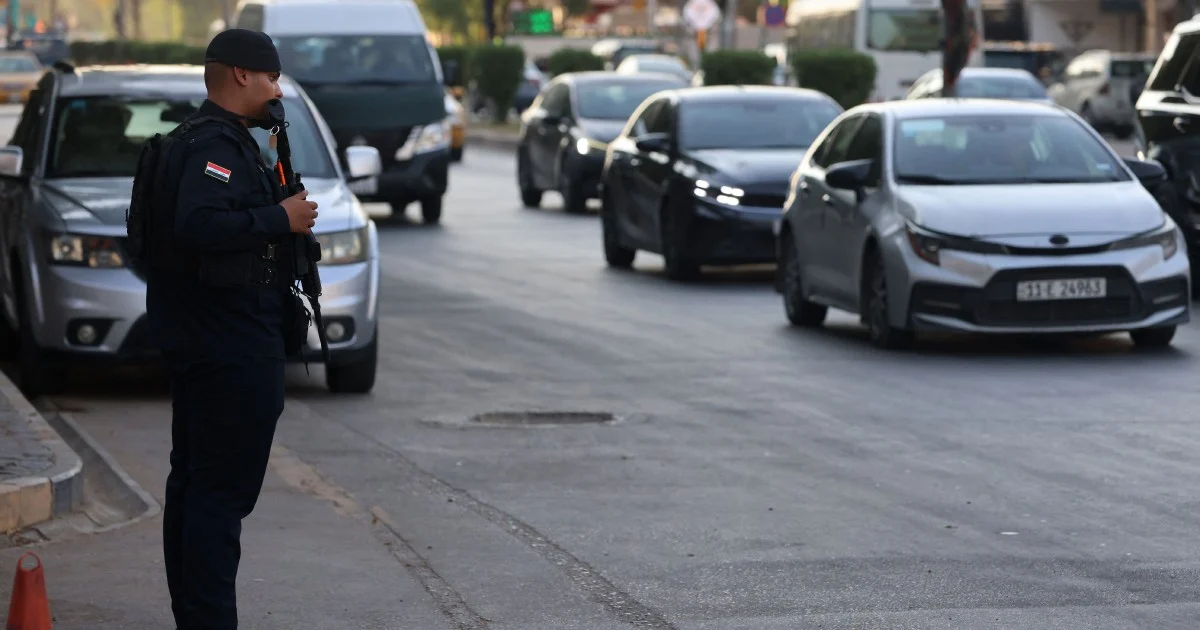
Iraq's security forces have detained 47 officials spanning multiple government levels in a single coordinated operation, marking one of the country's most ambitious anti-corruption pushes in recent years. The arrests, which took place on Sunday and were confirmed through state media channels, included sitting members of parliament alongside civil servants and administrative personnel. The scale of the operation underscores Baghdad's determination to address what has become one of the Middle Eastern nation's most corrosive institutional challenges.
Corruption has plagued Iraq's administration since the post-2003 reconstruction period, draining resources that might otherwise fund essential public services, infrastructure projects, and security operations. The systematic looting of state funds has fuelled public anger and eroded confidence in democratic institutions. Over successive governments, officials at various administrative tiers have exploited Iraq's fragmented governance structures and weak institutional oversight to siphon billions of dollars. This endemic graft has hampered development efforts, complicated budget planning, and hindered the country's ability to recover from decades of conflict and economic crisis.
The inclusion of parliamentary members among those arrested signals that investigators are willing to pursue high-ranking political figures, a development that would have been unthinkable in earlier years when political patronage networks offered protection to corrupt elites. Parliamentarians occupy positions of particular significance within Iraq's power structure, as they control legislative budgets, approve government contracts, and oversee ministerial appointments. Their arrests suggest that anti-corruption efforts have gained sufficient political backing and institutional independence to challenge even entrenched political actors, though questions remain about whether investigations will proceed impartially through the justice system.
The operation reflects broader pressure from multiple quarters demanding accountability and institutional reform. Iraqi civil society organisations have mounted persistent campaigns documenting corruption cases and demanding prosecution. Meanwhile, international partners including the United States and European nations have made anti-corruption progress a condition for continued financial and technical assistance. Younger, reform-minded political factions within parliament have also pushed for stronger measures, arguing that public legitimacy depends on demonstrable action against graft.
For Southeast Asian observers, Iraq's struggle with corruption carries instructive parallels. Malaysia, Indonesia, and other regional economies have battled similar patterns of resource misallocation and official malfeasance that undermine public confidence and economic competitiveness. Iraq's experience demonstrates both the difficulty of rooting out entrenched corrupt networks and the possibility of mounting effective pressure through coordinated institutional action, investigative journalism, and public mobilisation. The sustainability of anti-corruption campaigns often depends on political leadership willing to prioritise institutional integrity over short-term factional advantage.
The effectiveness of Iraq's current campaign will ultimately depend on whether the arrests lead to convictions and meaningful sentences rather than serving as symbolic gestures. Past anti-corruption drives have sometimes faltered when cases stalled in courts, political pressure mounted on prosecutors, or sentenced officials received pardons. Building public confidence requires transparent proceedings, credible evidence presentation, and visible consequences for wrongdoing at all administrative levels, not merely lower-ranking officials while elite networks remain untouched.
Iraq's judicial system faces significant capacity constraints that complicate aggressive prosecution of white-collar crime. Specialised anti-corruption courts exist but struggle with case backlogs, inadequate resources, and occasional interference from political factions seeking to protect allies or eliminate rivals. Training judges and prosecutors in complex financial investigations, building forensic accounting capabilities, and establishing secure evidence chains present ongoing challenges. International technical assistance, particularly from countries with experience prosecuting large-scale corruption cases, could strengthen Iraq's institutional capacity to pursue cases to conviction.
The economic dimensions of this campaign warrant particular attention, as corruption diverts resources from reconstruction and development at a critical juncture. Iraq's recovery from conflict requires massive investment in infrastructure, healthcare, and education. When officials embezzle funds destined for these sectors, the consequences extend beyond individual criminal liability to affect millions of ordinary Iraqis lacking basic services. Reducing corruption therefore represents not merely a governance imperative but an economic necessity for Iraq to rebuild productive capacity and attract legitimate private investment.
Political dynamics surrounding the arrests remain complex and opaque. Different Iraqi political factions have competing interests in how aggressively anti-corruption investigations proceed, with some groups potentially using enforcement selectively to weaken rivals while sparing allies. Genuine institutional reform requires mechanisms insulating investigators and prosecutors from factional pressure, including independent budgeting, professional civil service protections, and international oversight mechanisms. Without such safeguards, anti-corruption operations risk becoming tools for factional score-settling rather than systematic institutional cleansing.
The regional implications extend beyond Iraq's borders. Corruption in one Middle Eastern state typically spills across regional networks involving officials, businesses, and intermediaries across multiple countries. Iraq's determination to prosecute corruption cases may have ripple effects on corrupt actors operating throughout the Gulf region and Levantine states. Conversely, if investigations falter or perpetrators escape meaningful consequences, it signals that corruption remains a manageable cost of doing business across the region, potentially encouraging further brazen theft of public resources.
Moving forward, sustaining momentum will prove critical. Anti-corruption campaigns often lose energy as initial public enthusiasm fades and political costs of pursuing connected figures mount. Iraqi authorities must demonstrate that investigations will continue, prosecutions will succeed, and consequences will prove material. This requires not merely dramatic arrests but the unglamorous work of building cases, gathering evidence, and shepherding matters through often-corrupted judicial processes. The Sunday operation may represent the beginning of genuine systemic reform or merely another symbolic gesture. Coming months will reveal whether Iraq's government possesses the sustained political will to transform institutional practice fundamentally.

