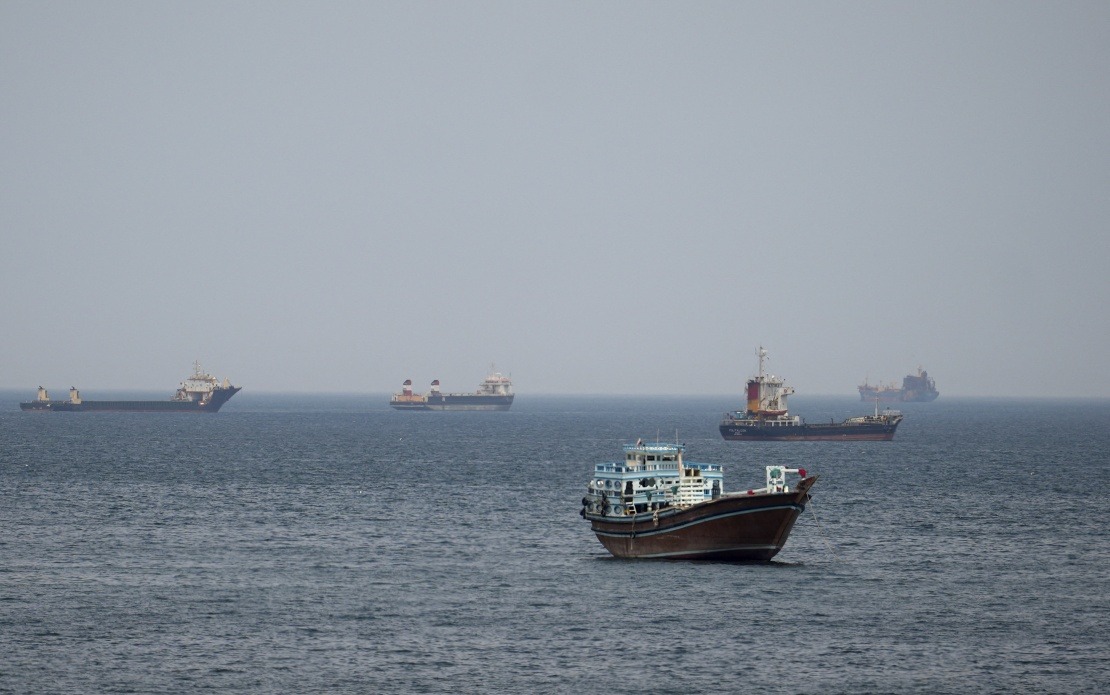
Iran's Parliament Speaker Mohammad Bagher Qalibaf arrived in Oman on Monday to begin high-level consultations on restructuring how the Strait of Hormuz operates as a critical international shipping corridor. Accompanying Qalibaf was top Iranian diplomat Abbas Araghchi, with both men received by Omani Foreign Minister Badr Albusaidi upon landing. The visit marks a significant diplomatic initiative aimed at establishing new protocols for managing one of the world's most strategically important waterways, through which roughly one-third of global maritime oil trade passes annually.
The timing of Qalibaf's journey underscores the intensifying diplomatic momentum around Gulf regional stability. His mission came directly after participating in eighteen hours of intensive negotiations with United States representatives in Switzerland, conducted under the mediation of Pakistan and Qatar. These talks focused on implementing a recently signed memorandum of understanding between Tehran and Washington, suggesting that the Oman visit represents an extension of broader efforts to establish clearer operational frameworks across the region's maritime domain.
Oman's strategic position as a neutral broker between Iran and the Arabian Peninsula makes it the logical venue for such discussions. Unlike other Gulf states aligned with Western interests, Oman has historically maintained diplomatic channels with all regional actors, giving it particular credibility in facilitating conversations that might prove difficult elsewhere. The sultanate's geographic position at the entrance to the Persian Gulf and its experience hosting previous high-level negotiations make it an ideal setting for developing consensus on international shipping protocols.
The focal point of these consultations centres on establishing what both nations are framing as a new management framework for the strait. Current arrangements, or lack thereof, have long been a source of tension between Iran and Western-backed maritime forces monitoring the waterway. Any agreement to formalize procedures for safe passage, conflict resolution mechanisms, and coordination protocols could significantly reduce the risk of incidents that have periodically disrupted global energy markets. For Malaysian and Southeast Asian shipping interests, which depend heavily on uninterrupted Hormuz access, such stability carries direct economic importance.
Official statements from Oman's news agency emphasized both nations' commitment to leveraging what they termed the current diplomatic moment to advance peace efforts. The declaration highlighted mutual interest in strengthening de-escalation measures and regional stability while respecting international legal frameworks and principles of good neighbourliness. This language suggests negotiators are attempting to move beyond zero-sum security thinking toward collaborative management approaches that acknowledge legitimate interests on multiple sides.
Preservation of safe navigation through the Strait of Hormuz and other international waterways featured prominently in the joint messaging, reflecting genuine concerns about maritime security. Recent years have witnessed recurring incidents in the region, from alleged attacks on commercial vessels to naval confrontations between different actors. Any framework successfully limiting such occurrences would benefit global commerce substantially, including Southeast Asian economies dependent on predictable shipping routes and stable energy prices.
Beyond the immediate strait management discussions, Qalibaf was scheduled to meet Omani Sultan Haitham bin Tariq for broader conversations about bilateral cooperation and regional coordination. These meetings suggest the Iranian delegation seeks to strengthen ties with Oman as a whole, not merely address singular maritime issues. Building deeper institutional relationships could provide foundations for sustained dialogue even if specific negotiations encounter obstacles.
The diplomatic groundwork being laid during this visit reflects changing calculations across the region about managing competing interests through dialogue rather than confrontation. While significant gaps undoubtedly remain between various parties' positions on broader geopolitical matters, the focused technical discussions about Hormuz management represent an area where pragmatic cooperation may prove achievable. For Malaysia and other Southeast Asian nations, the emergence of such arrangements would offer reassurance about maritime commerce and energy security.
The participation of Pakistani and Qatari mediators in the Switzerland talks, alongside Oman's hosting role now, demonstrates how regional and international actors are coordinating to support diplomatic progress. This multilayered mediation effort suggests serious commitment from multiple quarters to achieving arrangements that enhance stability. The success or failure of these initiatives will likely influence broader regional dynamics for years ahead, making the Oman consultations worthy of close international attention.