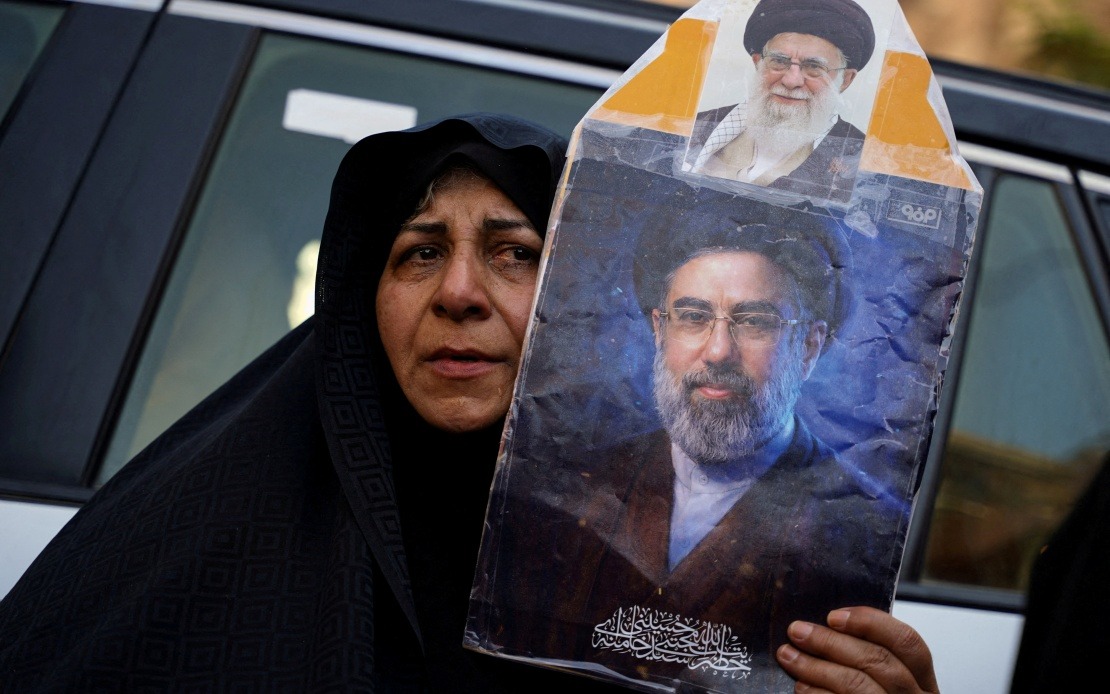
The tenuous diplomatic framework between Iran and the United States appears to be crumbling just weeks after a landmark peace memorandum of understanding was inked. On Saturday, Iran's Supreme Leader Mojtaba Khamenei delivered a stark message to his nation, asserting that recent American actions have conclusively demonstrated the worthlessness of the Trump administration's commitments, fundamentally undermining any confidence in future negotiations.
The agreement in question was signed by Iranian President Masoud Pezeshkian and Trump on June 18, establishing a 60-day window for both nations to pursue substantive negotiations toward a comprehensive final accord. The MoU represented an attempt to de-escalate tensions that have simmered since the United States withdrew from the multilateral nuclear agreement during Trump's first administration. However, the document appears to have provided little more than a rhetorical pause rather than a genuine pathway to peace.
Khamenei's criticism carries particular weight within Iran's political hierarchy, as his office exercises decisive influence over military and foreign policy decisions. In his Saturday message to the Iranian populace, the Supreme Leader did not merely catalogue alleged American breaches; he characterised them as symptomatic of deeper American dishonesty and malevolence. According to official Iranian media, Khamenei argued that Washington has "once again revealed its true and unmasked face," suggesting that the recent violations confirm long-standing Iranian suspicions about American duplicity.
The specific nature of the violations cited by Tehran remains contested. What Iranian officials describe as clear breaches, the Trump administration may characterise as defensive actions or responses to Iranian provocations. This interpretative gap reflects the fundamental trust deficit that continues to plague relations between the two capitals, making de-escalation increasingly difficult regardless of the formal language contained in any agreement.
Parallel to Khamenei's remarks, Iran's Deputy Foreign Minister for Legal and International Affairs Kazem Gharibabadi delivered an escalatory declaration: Iran has suspended its compliance with the MoU's stipulated obligations. This move represents a significant hardening of Tehran's position, transforming what might have been a political statement into concrete diplomatic and potentially military consequences. When a state formally ceases to honour an agreement it has signed, the pathway to renewed negotiations becomes exponentially more complicated.
The military dimension of this deterioration cannot be overlooked. Recent days have witnessed a cycle of strikes and counter-strikes that have steadily intensified. American forces have conducted multiple operations against Iranian targets and interests in the region, while Iran has responded with retaliatory attacks directed at US military bases and facilities. This escalatory spiral occurs despite the existence of the June MoU, suggesting that military operations have proceeded independently of diplomatic channels.
For Southeast Asian observers, this collapse carries implications that extend beyond the Iran-US bilateral relationship. Regional stability across the Middle East directly affects energy security, global commodity prices, and maritime trade routes through which Malaysian and neighbouring nations conduct substantial commerce. Any widening of the Iran-US confrontation risks further disrupting oil markets and increasing insurance premiums for vessels transiting critical chokepoints like the Strait of Hormuz.
Khamenei's warning that continued American "warmongering" would trigger "unforgettable lessons" from Iran and "the resistance front" represents thinly-veiled language for potential escalatory responses. The Supreme Leader has historically invoked such formulations when Iran or its allied forces are preparing significant military action, whether through direct state assets or proxy organisations operating across Iraq, Syria, and other regional flashpoints.
The credibility question that Khamenei raises possesses resonance extending well beyond Tehran's walls. For any adversary or even neutral observer considering negotiating with the Trump administration, the demonstration that previous commitments may be readily discarded creates obvious hesitation. This dynamic potentially complicates not only future US-Iran diplomacy but also broader American engagement with other states wary of entering binding agreements with Washington.
The collapse of the peace memorandum also exposes the limitations of executive agreements that lack legislative backing or multilateral witness. Unlike the 2015 Joint Comprehensive Plan of Action, which involved five permanent UN Security Council members plus Germany, the June MoU was a bilateral document vulnerable to unilateral withdrawal or reinterpretation. This structural weakness left the agreement dependent entirely on good faith implementation, a commodity in remarkably short supply between these adversaries.
Looking forward, Iran faces a strategic choice between pursuing renewed diplomacy or embracing further militarisation. Gharibabadi's announcement suggests that at least portions of Iran's leadership favour the latter course. Whether Pezeshkian's administration can navigate this heightened tension without triggering an uncontrollable conflict remains uncertain. The President must balance nationalist sentiment fuelled by perceived American aggression against the economic costs that continued confrontation imposes on an already-strained Iranian economy.
The international community, including regional players like Malaysia, now confronts a situation more unstable than existed just days ago. The existence of a failed peace agreement often proves more destabilising than no agreement at all, as each side interprets the breakdown as vindication of its underlying suspicions about the other's intentions. As military operations continue and diplomatic channels narrow, the risk calculus that might previously have cautioned restraint becomes increasingly irrelevant, potentially opening pathways to actions that neither leadership can easily control or reverse.

