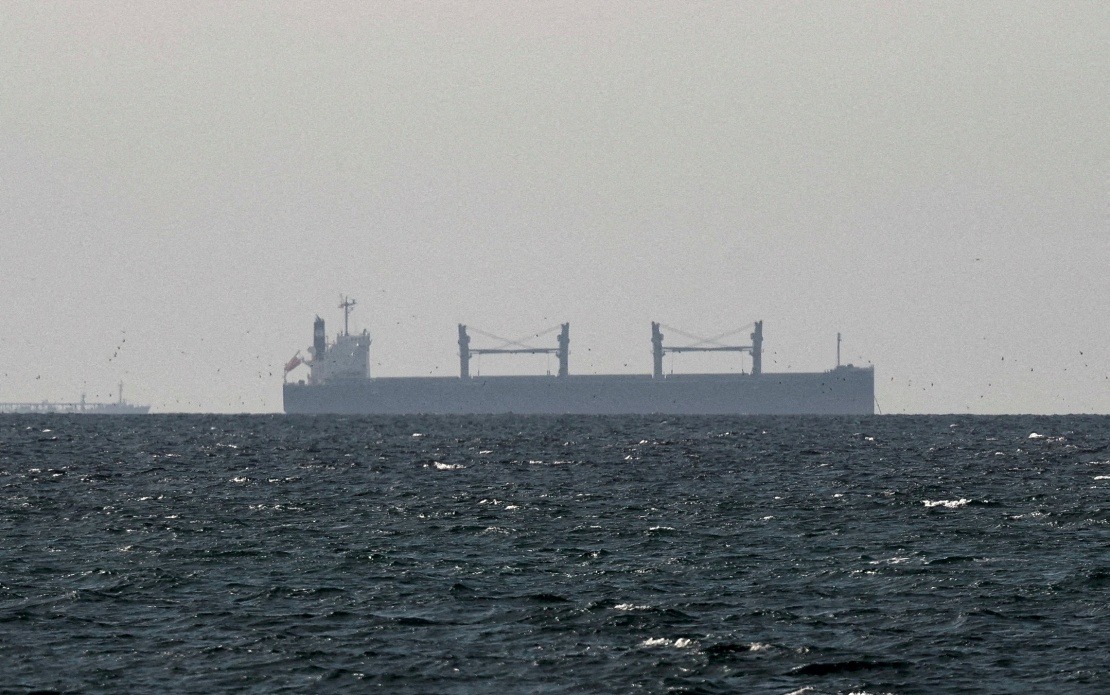
Tensions in the Middle East have reached a precarious moment as Iran's Islamic Revolutionary Guard Corps alleged that two commercial oil tankers were damaged after encountering mines in the southern Strait of Hormuz on Friday. According to statements issued by the IRGC and carried through Iran's Fars News Agency, the vessels caught fire following the incidents, though the military authority provided no identification of the ships, information about their flags or ownership, or details regarding potential casualties. The allegations remain unverified by independent sources, and international maritime organizations have not yet confirmed the IRGC's account.
The IRGC's statement carried an accusation that US intelligence services had deliberately encouraged the tankers to transit through the contested waters during the morning hours. This assertion reflects the deeper animosity characterizing current relations between Washington and Tehran, which continue to deteriorate despite diplomatic efforts. The military body warned that commercial shipping would face extreme danger if it attempted passage through the waterway, urging vessels to avoid the region entirely until unspecified security conditions improved.
For Malaysia and other Southeast Asian nations heavily dependent on Middle Eastern energy supplies, the implications of such incidents are considerable. The Strait of Hormuz functions as the primary corridor connecting Persian Gulf oil and liquefied natural gas producers with global markets. Any disruption to shipping through this chokepoint—whether from military action, mining operations, or escort requirements—directly affects energy costs and supply reliability across Asia-Pacific economies. Malaysian refineries and power generation facilities rely substantially on crude oil imports from the Gulf region, making regional maritime security a matter of immediate domestic concern.
The IRGC declared the Strait of Hormuz "completely closed" and "extremely unsafe," a characterization that signals intentions far beyond the specific tanker incidents. By framing the entire waterway as inaccessible, the Iranian military effectively asserts control over one of the world's most strategically vital maritime passages. The organization stated that oil, gas, and chemical fertilizer exports transiting through the region would remain constrained until US military operations ceased, positioning mine-laying or other maritime hazards as coercive tools in ongoing geopolitical negotiations.
The broader context reveals an escalating spiral of military and political confrontation. The IRGC's allegations emerge against a backdrop of sustained US-Iran hostilities, despite a reported Pakistan-brokered memorandum of understanding concluded just weeks earlier. That agreement was ostensibly designed to terminate active conflict and establish a framework for peaceful resolution. The apparent collapse or disregard of these terms suggests that underlying strategic competition has resumed with renewed intensity, undermining international efforts to stabilize the region.
The strategic significance of the Strait of Hormuz cannot be overstated for global energy markets. Roughly one-third of seaborne-traded oil and a substantial proportion of liquefied natural gas exports flow through these narrow waters annually. Disruptions force energy traders to seek alternative supplies, typically at premium prices, creating inflationary pressures throughout dependent economies. For developed Asian nations like Japan and South Korea, and for industrializing economies including Malaysia, Thailand, and Vietnam, higher energy costs translate directly into reduced competitiveness and constrained growth prospects.
The absence of corroborating evidence from international maritime authorities or independent vessel tracking systems compounds the opacity surrounding Friday's incidents. In the modern shipping environment, major tanker movements are monitored through multiple surveillance technologies, satellite imagery, and reporting systems managed by independent organizations. The IRGC's failure to furnish verifiable details—vessel names, positions, damage assessments, or photographic evidence—raises questions about whether the incidents occurred as described or whether the claims serve a different communicative purpose, such as deterring additional shipping or signaling resolve to domestic constituencies.
Malaysia's position as a maritime trading nation with significant energy imports makes it vulnerable to prolonged disruptions in Middle Eastern shipping lanes. The country has consistently advocated for freedom of navigation and adherence to international maritime law through the United Nations Convention on the Law of the Sea. Escalating incidents in the Strait of Hormuz could ultimately force Malaysia and regional partners to invest in alternative energy infrastructure, diversified supply sources, or enhanced naval capabilities to protect shipping interests—all expensive propositions that divert resources from development priorities.
The IRGC's warnings to commercial shipping also carry economic implications for regional ports and maritime industries. Malaysian ports that serve as transshipment hubs for Persian Gulf energy supplies could experience reduced throughput if shipping companies perceive unacceptable risks. Insurance costs for vessels operating in the region typically rise during periods of heightened tension, further squeezing already-thin shipping margins and making energy more expensive for consumers across Southeast Asia.
Historical patterns suggest that mining operations or similar maritime hazards in the Strait of Hormuz typically provoke international naval responses. US Navy deployments to clear mines or escort vessels have characterized previous crises, and escalation along these lines could draw additional powers into the confrontation. Regional stability depends on the contested waterway remaining accessible to international commerce under established rules, yet the current trajectory suggests movement toward greater militarization and risk.
The unresolved nature of the tanker incidents underscores the information vacuum characterizing US-Iran relations. Official statements from neither Washington nor Tehran command universal credibility, forcing international observers to interpret actions and claims with considerable skepticism. This credibility deficit itself poses risks, as miscalculation based on misunderstood intentions could trigger unintended escalation with consequences extending far beyond the Middle East into Southeast Asian markets and economies.

