Iran's Foreign Minister Abbas Araghchi has struck an unusually conciliatory tone regarding the possibility of reviving diplomatic channels with the United States, signalling that the impasse between Washington and Tehran may not be insurmountable. Speaking on social media following high-level talks in Tehran, Araghchi characterised the restoration of US-Iran diplomacy as "not impossible," though his comments came with a pointed condition: that American policymakers abandon the pressure campaign that has defined recent relations. The statement represents a notable shift in rhetoric and comes as Qatar intensifies its role as a crucial mediator between the two adversaries, a position the Gulf state has cultivated through sustained diplomatic engagement.
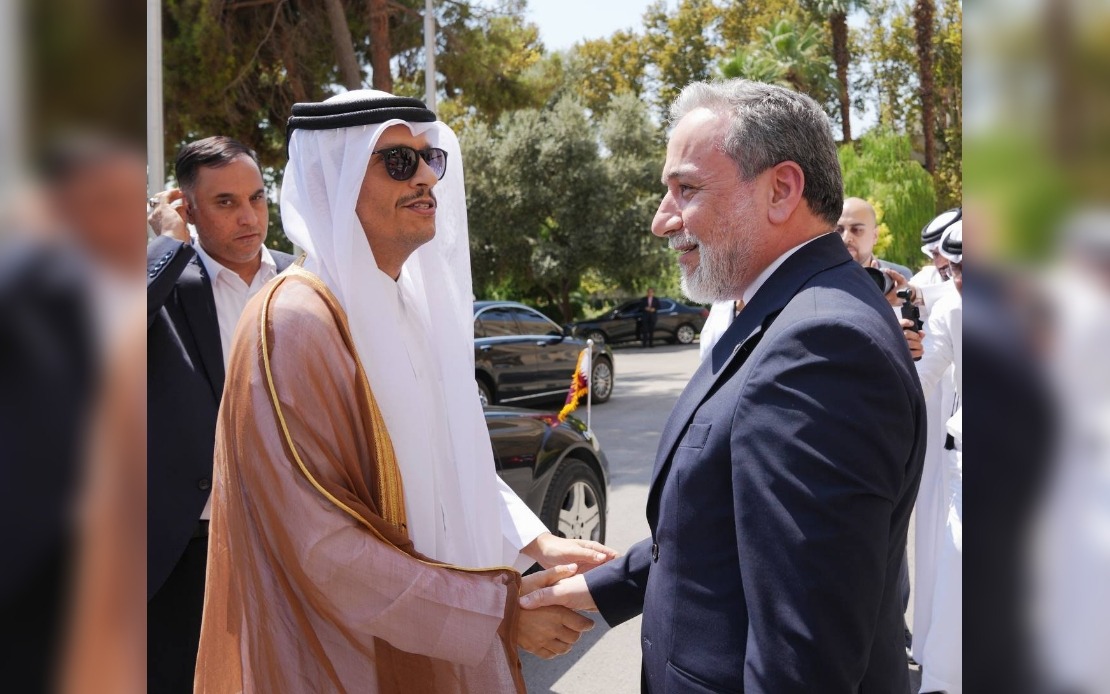
The Iranian foreign minister's comments followed substantive discussions with Qatar's Prime Minister and Foreign Minister Sheikh Mohammed bin Abdulrahman bin Jassim Al Thani, who visited Tehran on Thursday to advance de-escalation efforts. According to Araghchi, the talks were characterised by a "creative" approach to problem-solving, suggesting that both sides explored novel pathways forward rather than retreading familiar disputes. This language choice is significant, as it implies flexibility and a willingness to move beyond entrenched positions that have stalled previous negotiation attempts. For observers monitoring the volatile regional dynamics, such vocabulary matters considerably, as it can signal genuine movement or merely rhetorical positioning.
Araghchi's core message to the United States was unambiguous: coercive measures have proven ineffective and counterproductive. He asserted that "pressure doesn't work," a fundamental critique of Washington's long-standing approach towards Iran. Instead, the Iranian minister outlined a three-part framework for productive engagement: the US must demonstrate respect through dignified dialogue, acknowledge Iran's legitimate rights and interests, and honour any commitments made during negotiations. This framing rejects the premise that sanctions, military threats, or diplomatic isolation will compel Iranian concessions. Rather, it posits that trust-building and mutual recognition form the only viable foundation for sustainable diplomatic progress.
Qatar's diplomatic initiative reflects Doha's increasingly central role in regional conflict management and its capacity to maintain communication channels with all parties despite profound geopolitical divides. Sheikh Mohammed's visit to Tehran marked his first trip to Iran since February, when US and Israeli military strikes escalated regional tensions dramatically. The timing of his return underscores Doha's assessment that conditions have evolved sufficiently to warrant intensive shuttle diplomacy aimed at preventing further deterioration. For Malaysia and other Southeast Asian nations watching regional stability closely, Qatar's mediation demonstrates how smaller states with credible neutrality can significantly influence outcomes that concern global powers.
The substantive agenda during Sheikh Mohammed's Tehran visit extended beyond generic confidence-building. Discussions addressed concrete mechanisms for de-escalation, including a proposed temporary joint navigational corridor through the Strait of Hormuz and coordinated mine-clearing operations in vital shipping lanes. These practical initiatives acknowledge the interdependence created by regional geography and international commerce; disruptions to maritime traffic through the Strait would reverberate across global energy markets and supply chains. For Malaysia, which depends heavily on unimpeded passage through these waters for its own trade and energy security, any arrangement stabilising the Hormuz Strait carries direct strategic significance.
Araghchi's meetings with Sheikh Mohammed constituted only one component of a broader diplomatic engagement involving multiple Iranian officials. The Qatari foreign minister also held discussions with Iranian President Masoud Pezeshkian, Parliament Speaker Mohammad Bagher Qalibaf, and Mohsen Rezaei, Secretary of Iran's Supreme National Security Council. This multi-level engagement pattern suggests a coordinated approach to exploring whether conditions exist for reviving substantive negotiations. The involvement of these diverse officials indicates that Iran's leadership, across both executive and legislative branches plus security apparatus, has been briefed on Qatar's initiative and potentially consulted regarding Iran's negotiating parameters.
The diplomatic opening remains fragile and contingent on significant shifts in American policy. Araghchi's emphasis on US respect and acknowledgment of Iranian rights suggests that Tehran views any successful negotiation as requiring the United States to depart fundamentally from its traditional assertiveness. This represents a substantial demand, as it implicitly rejects the notion of Iranian capitulation or one-sided concessions. For potential mediators like Qatar and other international actors seeking to facilitate dialogue, bridging this gap requires convincing Washington that its interests are better served through negotiated settlement than continued confrontation. The challenge intensifies given domestic political considerations in both capitals and the involvement of additional regional players with their own strategic calculations.
The timing of Iran's diplomatic signals coincides with broader regional anxieties about escalation and reflects international concern about the costs of continued US-Iran antagonism. Southeast Asian nations, while geographically distant, are substantially affected by instability in the Middle East through energy price volatility, disrupted trade flows, and the risk of direct military involvement by external powers. Malaysia's own experience navigating great power competition and maintaining channels with diverse international partners offers valuable perspective on the importance of sustaining diplomatic options even amid deep disagreement. The Iranian position that diplomatic solutions remain possible, assuming American flexibility, provides at least a rhetorical foundation upon which serious negotiations might eventually be constructed.
Looking forward, the viability of renewed US-Iran diplomacy will depend on whether Washington interprets Araghchi's comments as a genuine invitation or merely tactical positioning. The Iranian foreign minister's insistence that pressure proves counterproductive challenges the fundamental logic underlying decades of American policy, suggesting that resolution requires not just compromises on specific issues but a reconceptualisation of the bilateral relationship's basic framework. Should the United States prove willing to engage such recalibration, Qatar's demonstrated commitment to mediation could provide essential logistical and diplomatic support. Conversely, if Washington dismisses the Iranian overture as insincere, the opportunity may rapidly dissipate, leaving both sides entrenched in positions that offer little prospect of improvement. For Malaysia and regional observers, the coming weeks will reveal whether the diplomatic opening Araghchi has indicated represents substance or merely a temporary pause in escalating tensions.

