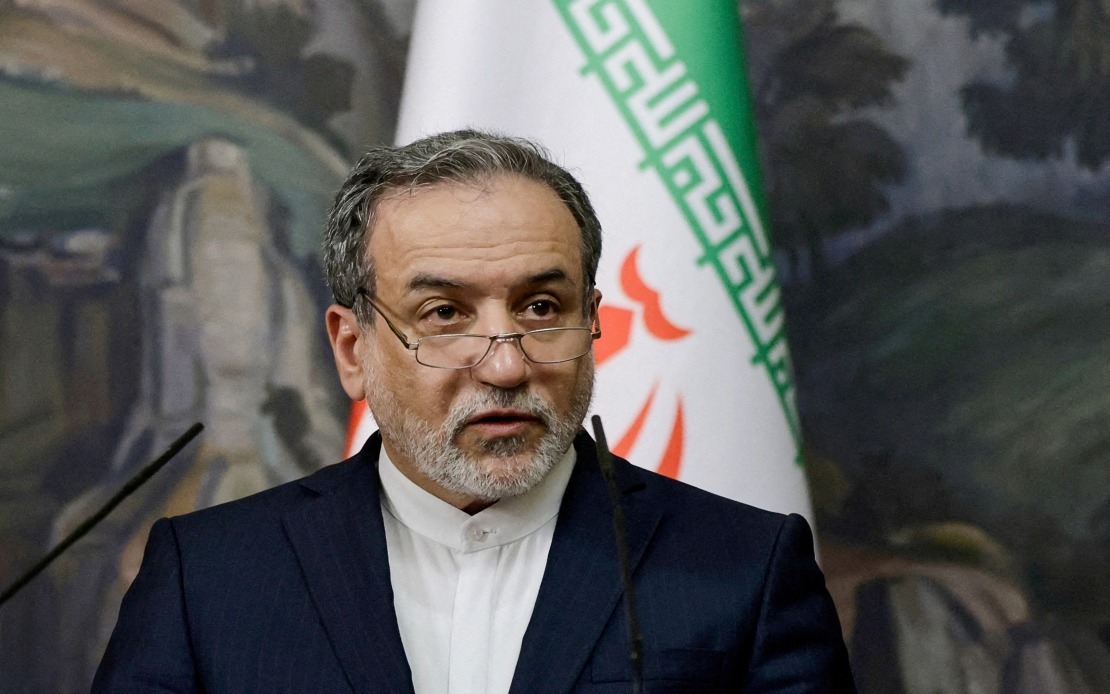
Iran is maintaining an ambiguous diplomatic stance toward the United States, with Foreign Minister Abbas Araghchi declaring in Istanbul that the country has yet to determine whether to return to the negotiating table. His carefully worded remarks highlight the fragile nature of ongoing communication channels while clarifying what such contact does and does not represent in practical terms.
Araghchi pushed back against interpretations of the so-called Islamabad memorandum, a peace framework brokered by Pakistan in June that has become a point of contention between Tehran and Washington. Rather than a formal ceasefire agreement with a defined 60-day duration, the Iranian foreign minister characterized the accord as an attempt to establish the foundation for lasting peace through negotiated settlement. This distinction carries significant weight: if the agreement was never truly a ceasefire, then no formal mechanism for its extension or renewal exists, potentially freeing Iran from obligations some observers believed it had undertaken.
The United States, according to Araghchi, violated the terms of the Islamabad memorandum, prompting a resumption of hostilities and rendering the entire framework moot. From Tehran's perspective, Washington bears responsibility for the agreement's collapse, which in turn absolves Iran of any need to formally extend or renegotiate its provisions. This framing allows Iran to maintain rhetorical flexibility while avoiding the appearance of capitulation or weakness that would damage its standing with domestic constituencies and regional allies.
Mediating powers Qatar and Pakistan continue to serve as go-betweens, maintaining communication channels between Tehran and Washington. However, Araghchi was emphatic that these functionary exchanges should not be confused with genuine diplomatic negotiations aimed at resolving underlying disputes. The distinction is crucial for understanding Iran's negotiating position: maintaining open lines of communication through neutral intermediaries preserves options without committing the country to a formal negotiating process that might domestically be perceived as weakness.
Separate from any potential engagement with Washington, Iran is conducting technical negotiations with Oman focused on maritime logistics in the strategically critical Strait of Hormuz region. These discussions centre on establishing new shipping corridors to replace routes that have become impractical, likely due to heightened security concerns and infrastructure damage resulting from ongoing tensions. Iranian officials emphasise that these maritime negotiations are entirely technical in nature and disconnected from political discussions with the United States, though the two matters are intimately related.
The shipping corridor negotiations involve experts from Iran and Oman working collaboratively with Iranian armed forces personnel to design routes that could eventually become permanent. Araghchi indicated these discussions could conclude relatively soon, suggesting that practical resolution of maritime access issues remains possible even without broader diplomatic breakthrough. Such technical progress could paradoxically increase pressure on both sides to resolve larger political questions, as functioning shipping lanes would require some degree of stability and understanding between rival powers.
Crucially, Araghchi distinguished between determining shipping routes and actually reopening the Strait of Hormuz to international traffic. The latter depends on Iran's assessment of whether the United States has satisfied additional unstated conditions beyond those outlined in the Islamabad memorandum. This framing preserves Iranian leverage: even if maritime routes are technically established, Tehran retains the ability to restrict access pending American compliance with requirements that remain deliberately vague in public statements.
The strategic importance of these maritime passages for the region cannot be overstated. As one of the world's most critical chokepoints for global energy supplies, the Strait of Hormuz's status directly affects oil markets, shipping insurance costs, and regional security calculus for countries including Malaysia and other Southeast Asian economies dependent on stable maritime commerce. Any prolonged restrictions on traffic through the strait would reverberate throughout international trade and energy markets.
Iran's insistence that no decision has been made regarding formal talks resumption suggests that internal debate continues within Iranian leadership about the costs and benefits of returning to negotiations. Domestic political considerations likely influence this calculus, with hardline factions potentially opposing any accommodation with Washington. By maintaining this stance of deliberate non-commitment, Iran's government preserves space for eventual diplomatic movement while managing domestic political pressures.
The current situation represents a holding pattern rather than either escalation or breakthrough. Mediated contact continues through established channels, while technical discussions on practical matters proceed separately. This structure allows both sides to maintain pressure on each other while avoiding the rhetoric of total rupture that would foreclose future negotiations. For regional observers and trading partners concerned about maritime security and energy stability, the absence of momentum toward formal talks is concerning, yet the maintenance of communication channels suggests that catastrophic escalation remains avoidable.
The broader regional context matters significantly. Neighbouring countries have vested interests in Iranian-American stabilisation, whether for security reasons, economic considerations, or both. Malaysia and other Southeast Asian nations whose prosperity depends on unimpeded maritime trade have implicit stakes in resolving the underlying disputes that continue to threaten shipping through critical passages. As long as fundamental disagreements persist without diplomatic mechanism for resolution, the risk of miscalculation or renewed conflict remains present, casting uncertainty over regional economic prospects.

