The fragile diplomatic path between Washington and Tehran has fractured once again, with Iran flatly rejecting Donald Trump's assertion that meaningful talks could proceed without a formal ceasefire agreement already in place. Instead, Iranian officials are demanding that the United States first capitulate to a list of preconditions centred on maritime commerce through the Strait of Hormuz and the restoration of Iran's global oil-trading capacity before any substantive negotiations can resume.
Trump's position, articulated publicly on Friday, initially suggested a willingness to continue dialogue despite military escalations. However, this gesture was immediately undermined by a provocative social media declaration threatening Iran with a devastating barrage of "1000 Missiles" should Tehran act on reported threats against his life. The president's reference to assassination calls made during the funeral ceremonies for Ayatollah Ali Khamenei, coupled with claims that Israel had briefed him on a specific Iranian plot, injected a volatile personal dimension into what remains fundamentally a geopolitical conflict. The inflammatory rhetoric appears designed to signal domestic audiences of Trump's resolve while simultaneously closing the door to the very talks he claimed to favour.
Iranian officials, operating through the semi-official Fars news agency, conveyed a markedly different interpretation of any path forward. An unidentified informed source told the news outlet that Tehran requires the United States to first honour "agreed-upon understandings" from prior negotiations. This language suggests Iran believes certain concessions are already binding upon Washington, and that any resumption of talks constitutes merely the implementation phase rather than fresh negotiations. For Malaysian observers, this distinction matters considerably: it reflects how deeply entrenched both sides remain in their respective interpretations of what commitments, if any, were actually made during previous diplomatic efforts.
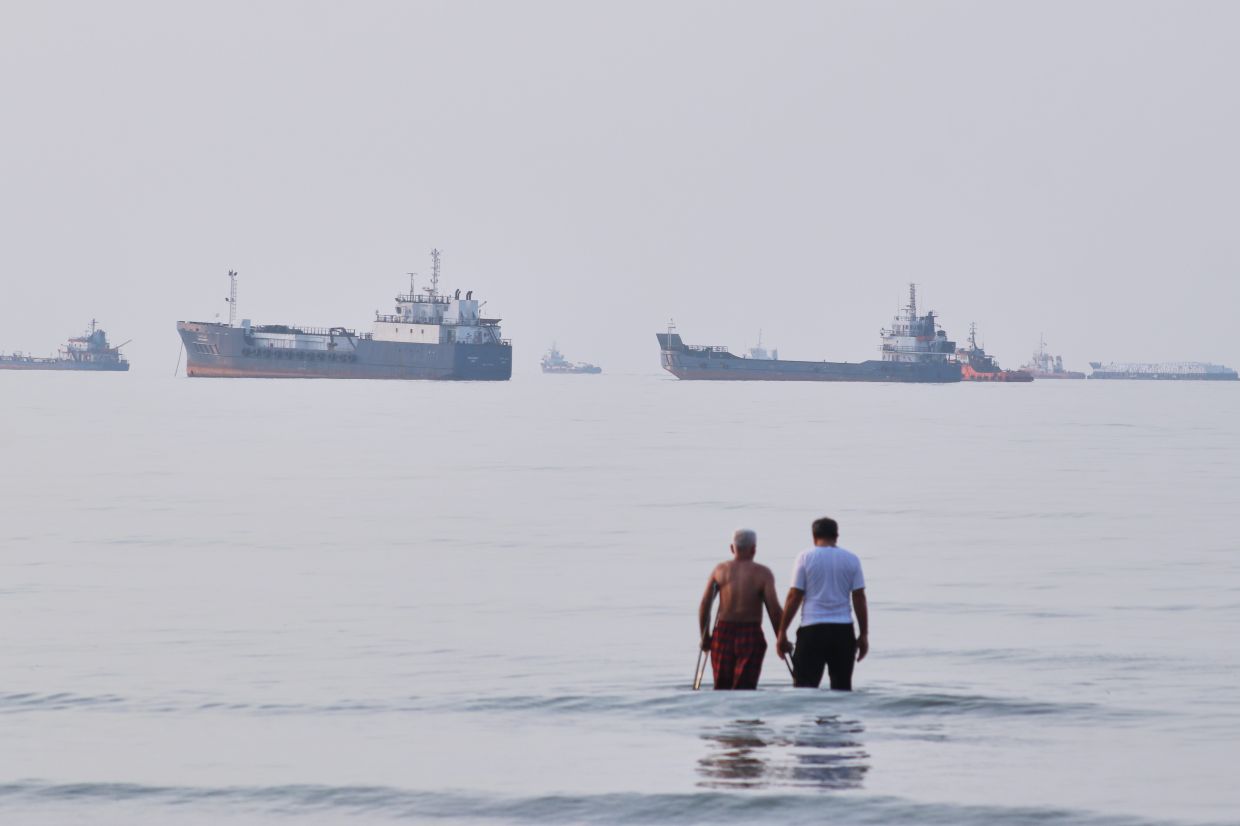
The substance of Washington's demands, conveyed by senior Trump administration officials to journalists on Saturday, centres on Iran's control of the world's most strategically vital energy shipping lane. The US is demanding a public declaration from Tehran guaranteeing that all Hormuz transit channels remain open to commercial shipping and that Iran renounce attacks on civilian vessels. These are not minor administrative requests. The Strait of Hormuz remains the chokepoint through which roughly one-third of global seaborne oil passes, making it economically critical for energy-dependent economies throughout Asia, including Malaysia. Any sustained closure or even significant disruption could trigger immediate regional economic reverberations. Washington has explicitly warned that Iran faces consequences should it fail to provide such assurances, though the nature and severity of those consequences remain deliberately undefined.
The recent cycle of military escalation provides the immediate context for this diplomatic breakdown. Following several nights of US airstrikes and subsequent Iranian retaliation, crude oil prices have climbed noticeably, and confidence in any ceasefire mechanism has evaporated. Trump's explicit declaration on Friday that he considers the ceasefire supposedly agreed in mid-June to be terminated represents a formal rejection of that framework. The timing of this announcement, arriving concurrent with the US Treasury's revocation of a waiver permitting Iran to conduct global oil sales, suggests a coordinated strategy to apply maximum economic and military pressure simultaneously.
Central to understanding Iran's current leverage is the Strait of Hormuz itself, a waterway through which Iran has wielded asymmetric power against much stronger adversaries. The US has consistently blamed Iranian actors for attacks on commercial shipping transiting these waters, allegations Tehran denies or frames as defensive responses to American military provocation. The pattern of tit-for-tat strikes between US bases in the region and Iranian targets suggests both sides possess the capability and willingness to inflict costs, though neither appears ready for a full-scale conflict that would devastate global energy markets and regional economies alike.
Despite the acrimonious rhetoric and military posturing, US officials insist that technical discussions between the two nations will continue at expert levels. This apparent contradiction—threatening massive retaliation whilst maintaining that talks continue—reflects a well-established pattern in US-Iran relations whereby high-level political confrontation and back-channel diplomacy proceed simultaneously on separate tracks. The fact that Iranian Foreign Minister Abbas Araghchi travelled to Oman on Saturday for discussions about the future of Hormuz access suggests Tehran is similarly hedging, keeping diplomatic channels alive even as it publicly repudiates American positions.
The domestic political environment within Iran adds further complexity to negotiations. The country remains in formal mourning for Ayatollah Ali Khamenei, whose death during the February 28 strikes that inaugurated the broader US-Israeli conflict against Iran remains a defining trauma for the regime. Khamenei's son and designated successor, Mojtaba Khamenei, has called publicly for revenge, declaring it an "undeniable duty" that his father's killing be avenged. This rhetorical commitment to retaliation, made in a Saturday post on the social media platform X, serves both as a signal to Iran's domestic base and as a warning to Washington. Yet Mojtaba's conspicuous absence from public view or video appearances since his appointment has sparked considerable speculation about the severity of injuries he sustained in the same February 28 attack that killed his father, as well as questions about his actual involvement in ongoing negotiations.
Iranian officials have acknowledged that Mojtaba suffered injuries in the strike but insist he remains actively engaged in decision-making throughout the conflict. This carefully calibrated positioning—admitting wounding whilst denying incapacity—attempts to preserve both credibility with Iran's domestic audience and negotiating credibility with international partners. For observers tracking these developments from Malaysia and Southeast Asia, the question of who holds actual decision-making authority within the Iranian leadership structure carries significance: it determines whether any agreement reached through diplomatic channels possesses the durability and enforceability necessary to restore regional stability.
The trajectory of these negotiations, if they can properly be called that, remains deeply uncertain. Both sides continue articulating maximalist positions with little apparent room for compromise. Trump's threat of "1000 Missiles" seems designed to foreclose negotiations rather than encourage them, whilst Iran's insistence on pre-negotiation compliance with prior understandings reverses traditional diplomatic sequencing. For Malaysian policymakers and businesses dependent on uninterrupted Hormuz transit, these developments underscore the persistent vulnerability of Southeast Asian economies to unresolved Middle Eastern conflicts beyond regional influence or control. The spectre of energy supply disruption and elevated crude prices remains the most immediate and concerning consequence should current tensions escalate further.

