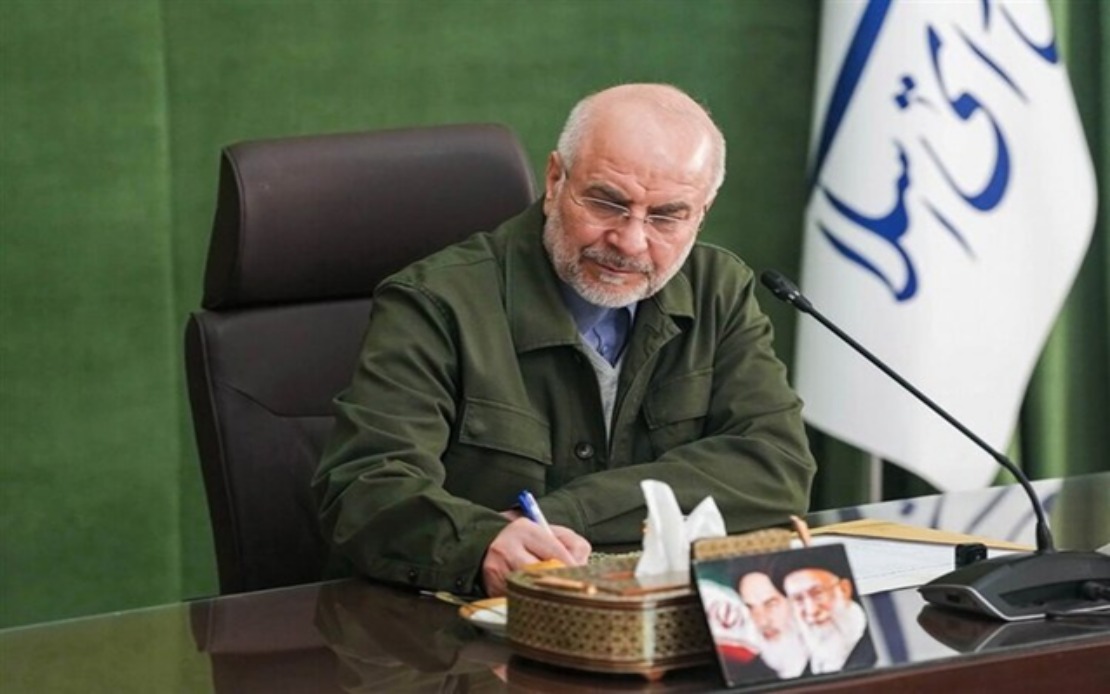
The disagreement between Tehran and Washington over how Iran should deploy its recently unfrozen assets has intensified into a public diplomatic spat, threatening to derail fragile negotiations aimed at resolving the nuclear standoff between the two nations. Iranian Parliament Speaker Mohammad Bagher Ghalibaf, who doubles as a key Iranian negotiator, took to social media on Thursday to flatly deny American assertions that Tehran intends to purchase US agricultural commodities with the released funds, describing the US position as fundamentally false and reflecting deeper historical grievances.
Ghalibaf's pointed response emerged from escalating American statements about the proposed use of Iran's unfrozen assets. US Vice President JD Vance had claimed on Monday that the released capital could be channelled toward acquiring American soybeans, corn, and wheat. This assertion was amplified when President Donald Trump declared on Tuesday that the funds would be held in a US-controlled escrow account and restricted exclusively to purchasing American food and medical supplies, specifically mentioning corn, wheat, and soybeans alongside pharmaceuticals and medical equipment.
The Iranian negotiator's social media post carried unmistakable frustration, with Ghalibaf suggesting that decades of mutual mistrust constitute the real harvest worth examining rather than engaging in speculative claims about agricultural purchases. His metaphor reflected a broader Iranian narrative that positions the US as the architect of regional instability through decades of sanctions and geopolitical pressure. This rhetorical framing underscores how deeply historical grievances continue to shape contemporary negotiations between the two adversaries.
Iranian officials have aligned in their rejection of the American conditions, with the Foreign Ministry spokesperson Esmaeil Baghaei declaring on Tuesday that Iran retains absolute discretion over how unfrozen assets will be deployed based entirely on national interests. Baghaei explicitly rejected the notion of external restrictions on spending decisions, stating that Iran's procurement would be determined by competitive pricing and quality considerations rather than political constraints imposed by Washington. This position reflects Tehran's determination to preserve sovereign authority over its own financial resources.
The Central Bank Governor Abdolnaser Hemmati adopted a somewhat more measured tone while maintaining the same fundamental position. He acknowledged that Iran harbours no legal or moral obligation to purchase American agricultural products, though he stopped short of ruling out such transactions if American goods proved competitively priced in global markets. This nuanced stance suggests that Iranian officials are leaving the door slightly ajar for potential US agricultural sales while firmly rejecting any framework that would mandate such purchases as a condition of sanctions relief.
These competing positions highlight the profound gap separating the two negotiating parties even as formal talks proceed under the recently signed memorandum of understanding established on June 18. The MoU provides a 60-day window for discussions aimed at finalising a comprehensive agreement on Iran's nuclear programme alongside the elimination of sanctions that have crippled Iran's economy for years. The latest negotiating round occurred in Switzerland over the weekend, suggesting that face-to-face diplomatic efforts are continuing despite the public disagreements.
For Malaysian and Southeast Asian observers, this dispute carries significance beyond the bilateral Iran-US relationship. The renewal of nuclear tensions and the apparent divergence between Washington and Tehran regarding the practical implementation of any agreement could have ripple effects across global energy markets and international trade. Any breakdown in negotiations would likely reintroduce sanctions that have historically disrupted regional commerce and commodity pricing.
The fundamental disagreement reflects competing visions about what sanctions relief should entail. Washington appears to view unfrozen assets as leverage to influence Iranian economic behaviour and potentially stimulate US export industries. Tehran, conversely, views unfrozen assets as a rightful restitution of its own resources that should be deployed according to its own strategic priorities, whether toward reconstruction, debt repayment, or investment in non-American suppliers.
The timing of these public exchanges raises questions about negotiating tactics. By having senior officials issue contradictory statements through media channels, both sides may be attempting to signal resolve to domestic audiences while testing the flexibility of their counterpart. Iran's Parliament Speaker, as a top negotiator, would not make such emphatic public declarations without deliberate strategic intent, suggesting that Tehran is willing to risk inflammatory rhetoric to establish clear red lines regarding its financial autonomy.
The escrow account proposal mentioned by Trump appears to be the critical flashpoint in negotiations. Such an arrangement would essentially grant Washington veto power over Iranian spending, a condition that Tehran finds fundamentally unacceptable given its historical experience with foreign intervention in domestic affairs. The rejection of this mechanism may prove to be non-negotiable for Iranian decision-makers across political factions.
Moving forward, both sides face pressure to bridge these gaps within the 60-day negotiating window. The public disputes suggest that negotiators possess significant room for manoeuvre, with each side presenting initial positions that they may subsequently moderate. However, the involvement of Trump, whose previous stance toward Iran was markedly hostile, introduces uncertainty about American commitment to any agreement that might eventually emerge from these discussions.
For regional stability and Malaysian commercial interests in energy markets, the outcome of these negotiations carries meaningful consequences. A successful agreement would restore Iranian oil exports to international markets, potentially stabilising prices. Conversely, continued disagreement could perpetuate supply constraints that benefit oil exporters while imposing costs on importing nations. The coming weeks will likely determine whether both sides can move beyond symbolic disagreements toward substantive compromise on the mechanics of sanctions relief and asset utilisation.

