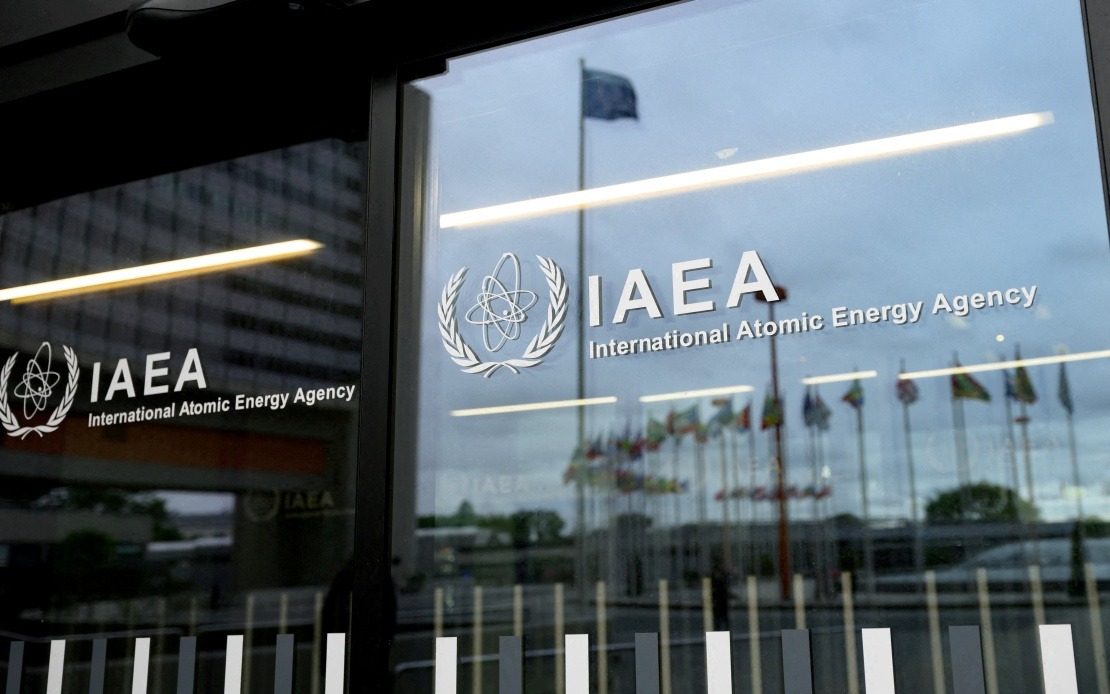
Iran has flatly refused to allow International Atomic Energy Agency inspectors to visit its nuclear sites, declaring that such inspections will only proceed once a comprehensive agreement with the United States has been finalised. The stance, articulated by Iranian Deputy Foreign Minister Kazem Gharibabadi on Wednesday, represents a hardening position as negotiations between Tehran and Washington continue under the framework of a 60-day peace memorandum signed on June 18.
Gharibabadi made his position clear through a statement on social media, emphasising that decisions regarding IAEA access to Iran's nuclear facilities and materials would be determined exclusively through the lens of a final nuclear accord. He further stipulated that such arrangements would materialise only after Washington demonstrates concrete commitment by lifting all economic sanctions against Iran. This conditionality reflects Tehran's broader negotiating strategy, which ties nuclear transparency to tangible relief from punitive measures that have crippled Iran's economy for years.
The Iranian diplomat additionally denied that his country's negotiating delegation had met with IAEA Director General Rafael Grossi during recent gatherings in Switzerland, despite Grossi's apparent interest in scheduling such discussions. This denial underscores the friction between Iran's demand for unconditional sanction removal and the international community's insistence on nuclear verification mechanisms. The absence of dialogue between Tehran's representatives and the agency's leadership signals how far apart the parties remain on fundamental issues.
Grossi's assertion earlier on Wednesday that the IAEA would conduct inspections in Iran appears to have been made without prior coordination with Iranian officials, highlighting the communication gap that persists even as formal negotiations proceed. The IAEA chief based his statement on the expectation that the recently concluded memorandum of understanding would facilitate greater transparency, yet Iran's immediate rebuff suggests that Tehran interprets the agreement differently—as a framework for negotiations on its terms rather than a binding commitment to international oversight.
The dispute carries particular weight given the recent military strikes targeting Iran's principal nuclear installations. Three major facilities at Fordow, Natanz and Isfahan have been subjected to bombing campaigns by the United States and Israel in successive military operations spanning from a 12-day conflict in June 2025 through to strikes earlier this year on February 28. These attacks have left the nuclear infrastructure in a precarious state, making verification of Iran's compliance with any future agreement exceptionally challenging for international monitors.
The first round of substantive negotiations under the new memorandum concluded on Monday in Switzerland, with delegations from both sides already engaged in substantive discussions regarding the scope of a prospective final agreement. The 60-day negotiating window represents a compressed timeline for resolving issues that have defined international relations for over a decade, creating pressure on both Iran and the United States to compromise on previously non-negotiable positions.
For Malaysian observers and Southeast Asian policymakers, Iran's current posture carries broader implications for regional stability and the international non-proliferation regime. The Islamic Republic's conditional approach to inspection access raises fundamental questions about how to verify nuclear compliance when a nation has experienced military strikes against its facilities. If Iran successfully links nuclear transparency to comprehensive sanction relief without allowing interim inspections, it could establish a precedent that other nations might seek to replicate in future nuclear negotiations, potentially weakening the verification frameworks that underpin global security arrangements.
The standoff also reflects deeper mistrust between Tehran and Western capitals regarding the durability of any agreement. Iran's insistence on complete sanction removal before granting inspection access stems partly from experience with the 2015 Joint Comprehensive Plan of Action, which collapsed when the United States unilaterally withdrew in 2018 and reimposed maximum pressure measures. This history makes Iran reluctant to commit to transparency measures that could be exploited if Washington again abandons the accord without providing corresponding benefits to Tehran.
Meanwhile, the international community faces a strategic dilemma. Allowing Iran to condition inspections on sanction relief inverts the traditional verification model, wherein nations first demonstrate compliance and subsequently receive relief. Conversely, demanding immediate inspections without meaningful sanction relief plays into Iran's narrative of Western bad faith and makes it politically difficult for Tehran's negotiators to justify concessions to domestic constituencies sceptical of engagement with the United States. Resolving this impasse will require creative diplomacy that addresses both parties' core concerns while preserving the integrity of nuclear safeguards that the IAEA is mandated to maintain.

