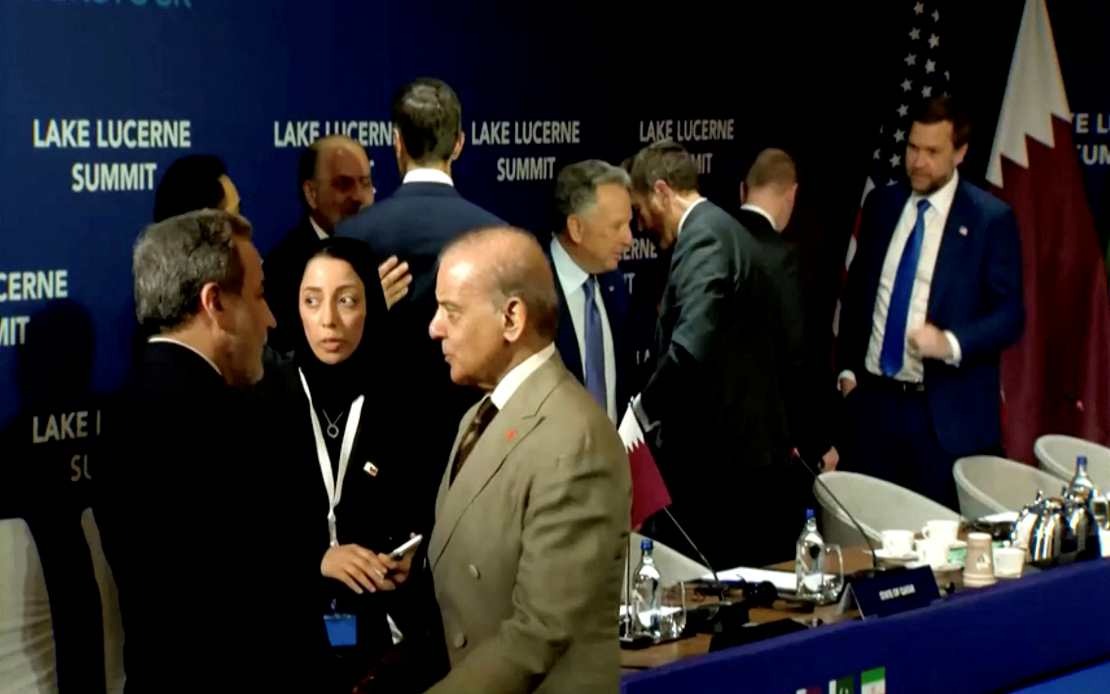
Negotiations between Iran and the United States have progressed to a significant milestone with the completion of a draft framework governing temporary sanctions relief on Iranian crude oil shipments, according to members of Tehran's delegation participating in talks held in Switzerland. The Iranian negotiator Hossein Ghorbanzadeh confirmed that both sides have moved through the technical phases of discussion and produced a working document that addresses the mechanics of easing petroleum-related restrictions, marking a substantive step forward in broader talks aimed at resolving longstanding regional tensions.
The discussions taking place at the Burgenstock resort in Switzerland operate under the umbrella of the Islamabad Memorandum of Understanding, a framework that emerged from Pakistani-mediated diplomatic efforts earlier this month. This initiative represents an attempt to establish a pathway toward ending military confrontation and resolving disputes through sustained dialogue. The memorandum was formally activated on June 18 following electronic signatures by Iranian President Masoud Pezeshkian and US President Donald Trump, signalling high-level commitment from both capitals to the negotiation process despite the contentious history between the two nations.
According to Ghorbanzadeh, the technical negotiations in Switzerland extended beyond the primary discussions to encompass specialized working sessions focused on specific implementation challenges. These separate technical meetings appear to have concentrated on the practical details necessary for any sanctions relief scheme to function, including verification mechanisms, transaction frameworks, and compliance procedures. The Iranian negotiator noted that these technical discussions culminated in the finalized draft, suggesting that both delegations have made meaningful progress on the granular details that often prove decisive in international agreements.
Crucially, however, Ghorbanzadeh attached an important condition to the emerging agreement. He stated that the remaining provisions contained within the broader memorandum of understanding will not become operational unless a final comprehensive settlement is achieved regarding the conflict in Lebanon. This linkage between oil sanctions relief and the Lebanese conflict underscores the interconnected nature of regional disputes and suggests that Iran views the resolution of broader Middle Eastern tensions as prerequisite for any sanctions concessions. Such conditionality is common in complex multilateral negotiations where various issues become bundled together as leverage points.
The lifting of sanctions on Iranian oil exports carries significant implications for global energy markets and regional economies. Iran has long chafed under petroleum-related restrictions that have substantially reduced its oil export capacity and revenue. Any temporary or permanent easing of these constraints could affect crude prices, particularly given the sensitivity of energy markets to supply disruptions in the Middle East. For Malaysia and other Southeast Asian nations with substantial energy imports and refining sectors, fluctuations in Iranian crude availability and pricing translate directly into operational costs and competitive positioning in regional markets.
Parallel to the oil sanctions discussions, Ghorbanzadeh indicated that Iranian delegates also engaged with Qatari representatives on the separate question of frozen Iranian assets held abroad. The release or unfreezing of these financial resources represents another element of potential sanctions relief. Frozen assets constitute a significant economic pressure point that has constrained Iran's ability to conduct international transactions and access its own wealth. Qatar's participation in these discussions reflects its role as a mediator and its interests in regional stability, positioning the Gulf nation as a facilitator of dialogue between the antagonistic parties.
The broader Islamabad Memorandum framework, which came into effect this month following the June 14 announcement of a 14-point understanding reached through Pakistani intermediation, encompasses several interconnected objectives. Beyond the oil sanctions question, the agreement aims to end active hostilities across multiple geographical fronts, including the contested territories and dispute zones that have witnessed military engagement. Additionally, it addresses maritime commerce through provisions concerning the Strait of Hormuz, one of the world's most critical waterways for global trade, and calls for the removal of the US naval blockade that has effectively constrained Iranian maritime activities.
The involvement of Pakistan as mediator reflects the complex diplomatic landscape of South Asian and Middle Eastern geopolitics. Islamabad's willingness to broker negotiations between Washington and Tehran demonstrates how regional powers attempt to influence outcomes that affect their own security interests and economic welfare. For Southeast Asian observers, the successful mediation by Pakistan illustrates the potential for dialogue-based solutions even in cases involving deep historical animosity and competing strategic interests.
The timing of these developments occurs against a backdrop of significant volatility in Middle Eastern affairs. The ongoing complexities regarding Lebanon, combined with broader regional power competitions, have created both obstacles and opportunities for diplomatic engagement. The willingness of both Iran and the United States to participate in Swiss-based negotiations and to make technical progress on specific issues suggests that despite rhetorical tensions and historical grievances, both capitals perceive potential benefits from negotiated settlements over continued confrontation.
For Malaysian policymakers and business leaders, these developments warrant careful attention. Changes in Iranian oil availability, sanctions regimes, and regional stability directly influence Southeast Asia's energy security, supply chain stability, and broader geopolitical dynamics. Malaysia's position as a significant trader and refiner means that shifts in Iran's ability to export petroleum or access international financial systems have downstream effects on local industries and economic performance.
The road ahead appears contingent on progress regarding the Lebanon situation, suggesting that comprehensive resolution will require addressing multiple regional conflicts simultaneously. The conditional nature of the sanctions relief framework indicates that neither side views partial measures as sufficient; instead, both appear committed to linking petroleum economics with broader political and security settlements. This comprehensive approach may complicate negotiations but potentially creates stronger foundations for any eventual agreement by addressing root causes rather than symptoms of regional tension.
The coming weeks and months will likely reveal whether the current diplomatic momentum can be sustained and whether progress on the oil sanctions question translates into breakthrough arrangements on the more politically contentious matters of military deescalation and regional conflict resolution. The presence of detailed technical discussions and the finalization of specific draft provisions suggest that negotiators have moved beyond rhetorical posturing into substantive problem-solving, though significant hurdles undoubtedly remain before any agreement reaches final implementation.

