Diplomatic representatives from Iran and the United States have concluded the initial phase of a significant four-party negotiating session in Switzerland, bringing together mediators from Qatar and Pakistan in an effort to advance recent peace arrangements. The first round of talks concluded without immediate disclosure of subsequent scheduling, marking a cautious beginning to what observers hope will be a sustained dialogue on resolving longstanding regional tensions that have intensified across the Middle East in recent months.
The Swiss-hosted negotiations represent a structured attempt to translate last Wednesday's memorandum of understanding into concrete operational steps. That earlier agreement between Tehran and Washington outlined a framework for de-escalation and the restoration of maritime navigation through the strategically vital Strait of Hormuz, a waterway upon which global energy commerce fundamentally depends. The implementation phase now underway signals mutual recognition that rhetorical commitments require detailed technical work and institutional coordination to achieve practical results.
According to sources within Iran's negotiating delegation, the initial session extended approximately eighty minutes before participants requested a pause. This interruption enabled each side's team members to conduct internal consultations independently, a procedural step common in multilateral diplomacy when complex technical or political matters require clarification with home capitals. The decision to break rather than continue suggests substantive discussion occurred during the opening phase, though neither party released specifics regarding positions advanced or areas of disagreement.
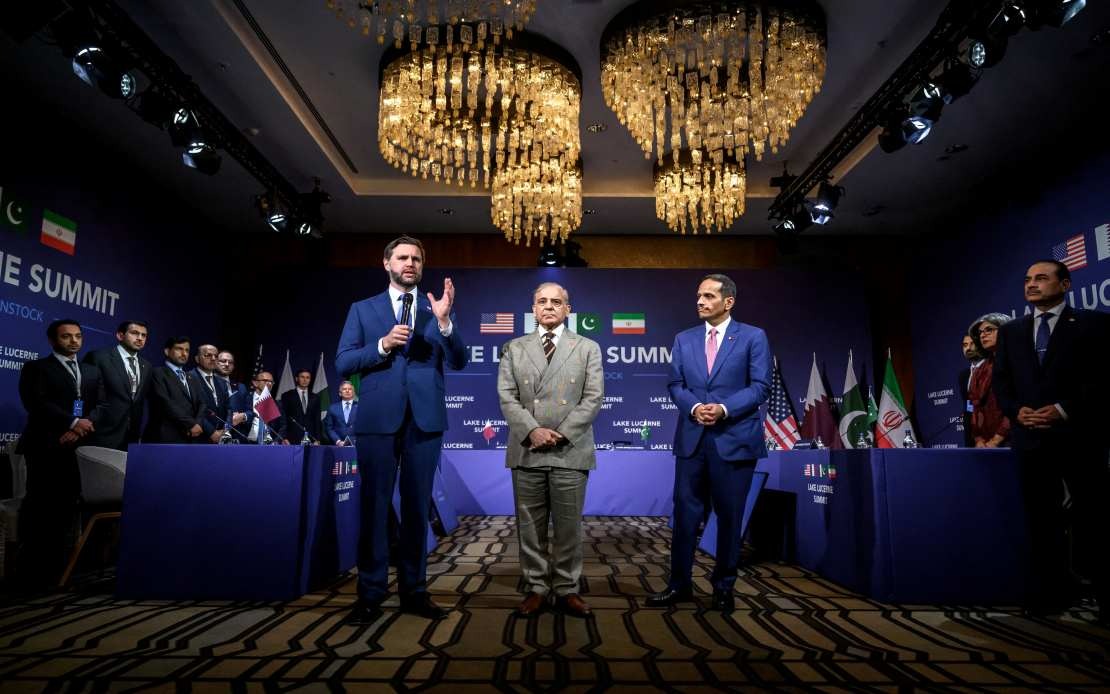
US Vice President JD Vance led the American delegation, while Iran dispatched Parliament Speaker Mohammad Bagher Qalibaf and Foreign Minister Abbas Araghchi to represent its interests. This composition reflects the political significance both governments attach to these discussions; the inclusion of senior parliamentary and foreign ministry figures indicates willingness to engage at a level beyond routine technical coordination. Pakistan and Qatar, serving as joint mediators, brought their respective diplomatic expertise and regional relationships to facilitate communication between the two principals, whose direct channels remain constrained by decades of mutual suspicion and previous diplomatic ruptures.
The location selected—Bürgenstock in Switzerland—carries symbolic weight in international negotiations. Switzerland's long-standing neutrality and well-developed infrastructure for confidential diplomacy have made it a preferred venue for sensitive talks involving adversaries. The Swiss setting provides physical separation from both American and Iranian territories, reducing domestic political pressure on negotiators and creating an environment where technical discussion can proceed with somewhat greater insulation from nationalist rhetoric and media sensationalism prevalent in both capitals.
Regional observers, particularly in Southeast Asia where maritime commerce through Middle Eastern waterways affects economic interests, have watched these developments with considerable attention. Malaysia, as a significant trading nation dependent on stable shipping lanes and predictable energy supplies, has a material stake in whether these negotiations produce durable arrangements preventing further escalation. The Strait of Hormuz remains essential for regional and global commerce, and the months of heightened tension preceding this agreement had triggered uncertainties affecting shipping insurance, energy prices, and investment confidence across Asian markets.
The timing of these talks follows a period of escalating confrontation that threatened broader regional stability. Both Tehran and Washington had signalled flexibility toward dialogue, yet numerous technical obstacles and mutual suspicions complicated initial arrangements. The participation of Qatar and Pakistan as mediators reflects a regional diplomatic consensus that sustained conflict serves no party's fundamental interests, despite tactical advantages particular actors might perceive in temporary confrontation. Both mediating nations maintain relationships across the divide and have invested diplomatic capital in encouraging this dialogue.
The memorandum signed earlier in the week established principles for implementation, yet translating abstract commitments into concrete measures demands specification of timelines, verification mechanisms, and procedures for addressing compliance questions. The Strait of Hormuz restoration requires coordination of maritime operations, naval deployments, and merchant shipping protocols—details requiring patient technical negotiation. Similarly, any broader regional understanding requires clarification of respective security concerns, redlines, and definitions of acceptable behaviour.
Neither delegation provided immediate statements regarding substantive progress or remaining disagreements, adopting a cautious approach typical when talks remain in early phases. Public communication about sensitive negotiations often proves counterproductive, as statements intended for domestic audiences can harden positions and reduce flexibility. The decision to allow internal consultations following the opening session suggests participants may require guidance from decision-makers in Tehran and Washington before proceeding to more detailed discussion, a normal feature of high-level diplomacy on matters touching core national interests.
Observers in Southeast Asia and beyond will monitor whether subsequent rounds occur punctually and whether the tone of statements from both capitals suggests genuine movement toward implementation or persistent fundamental disagreements. The success of these negotiations carries implications extending far beyond bilateral US-Iran relations; regional stability, maritime security, energy market predictability, and the broader architecture of Middle Eastern diplomacy all hang on whether this opening dialogue develops into sustained commitment or proves merely theatrical posturing before inevitable confrontation resumes.
%22%2F%3E%3C%2Fpattern%3E%3C%2Fdefs%3E%3Crect%20width%3D%22100%25%22%20height%3D%22100%25%22%20fill%3D%22url(%23ph24u90g)%22%2F%3E%3Crect%20width%3D%22100%25%22%20height%3D%22100%25%22%20fill%3D%22url(%23ph24u90p)%22%2F%3E%3Ctext%20x%3D%2250%25%22%20y%3D%2250%25%22%20text-anchor%3D%22middle%22%20dominant-baseline%3D%22central%22%20fill%3D%22rgba(255%2C255%2C255%2C0.95)%22%20font-family%3D%22Georgia%2C%20'Times%20New%20Roman'%2C%20serif%22%20font-weight%3D%22700%22%20font-size%3D%22170%22%20letter-spacing%3D%22-0.02em%22%3ETambirat%3C%2Ftext%3E%3C%2Fsvg%3E)
%22%2F%3E%3C%2Fpattern%3E%3C%2Fdefs%3E%3Crect%20width%3D%22100%25%22%20height%3D%22100%25%22%20fill%3D%22url(%23ph41j3fg)%22%2F%3E%3Crect%20width%3D%22100%25%22%20height%3D%22100%25%22%20fill%3D%22url(%23ph41j3fp)%22%2F%3E%3Ctext%20x%3D%2250%25%22%20y%3D%2250%25%22%20text-anchor%3D%22middle%22%20dominant-baseline%3D%22central%22%20fill%3D%22rgba(255%2C255%2C255%2C0.95)%22%20font-family%3D%22Georgia%2C%20'Times%20New%20Roman'%2C%20serif%22%20font-weight%3D%22700%22%20font-size%3D%22194%22%20letter-spacing%3D%22-0.02em%22%3EBintulu%3C%2Ftext%3E%3C%2Fsvg%3E)