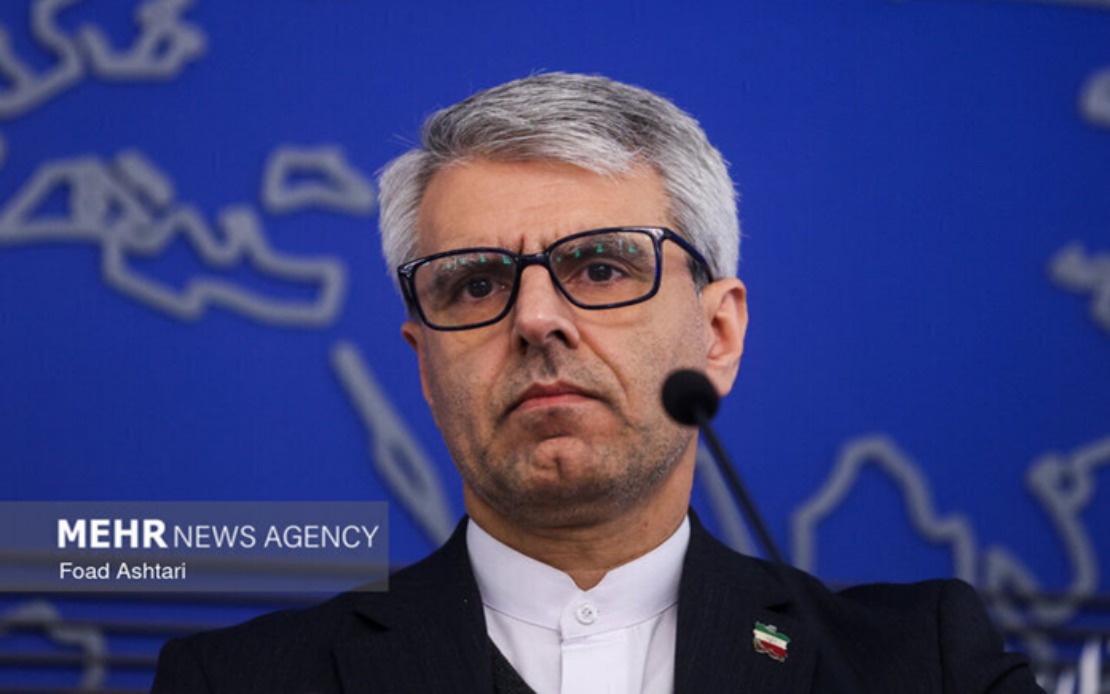
Iran and Oman have committed to maintaining comprehensive consultations on managing the Strait of Hormuz, marking a diplomatic effort to stabilise one of the world's most critical shipping lanes. The agreement emerged after Iranian Foreign Minister Abbas Araghchi's official visit to Oman on Saturday, where senior officials from both nations discussed security arrangements and navigation safety in the strategically vital waterway. Iranian Foreign Ministry spokesman Esmaeil Baghaei underscored the importance of continued engagement, stating that dialogue would proceed across political, legal, and technical channels to achieve a mutually acceptable framework for ensuring unimpeded maritime passage.
The timing of this diplomatic engagement comes amid heightened tensions in the region. The Iranian Islamic Revolutionary Guard Corps recently announced its intention to close the Strait of Hormuz to all vessel traffic until the United States ceases what Tehran characterises as interference in regional affairs. This hardline stance reflects escalating confrontation over Washington's military presence and support for Israel in the broader Middle East. Against this volatile backdrop, the Oman-Iran consultations represent a counterbalance, signalling an attempt by at least two regional players to find negotiated solutions rather than permit further militarisation of the waterway that handles roughly one-third of global seaborne traded oil.
Oman's diplomatic role as a traditional bridge-builder between Iran and Western powers takes on particular significance here. The sultanate has historically maintained cordial relations with both Tehran and Washington, positioning itself as a trusted intermediary. Baghaei emphasised that future governance arrangements for the Strait of Hormuz must be determined through bilateral consultation between Iran and Oman, explicitly acknowledging the influence of recent military escalations involving the United States and Israel. This framing suggests that any sustainable agreement must address not merely technical navigation standards but also the underlying security concerns driving Iranian threat assertions.
The involvement of Qatar as a participating mediator underscores the multilateral dimensions of this initiative. Doha has long served as a channel for backdoor communications between Iran and the United States, hosting talks and maintaining diplomatic channels even during periods of overt hostility. By bringing Qatar into the Oman-Iran consultations, the framework gains potential credibility as a pathway toward eventual broader regional dialogue. The presence of a third-party mediator also signals both nations' intention to establish accountability and transparency in their discussions, reducing the risk of misinterpretation or unilateral action that could trigger wider conflict.
For Malaysia and other Southeast Asian shipping nations, the stakes of this diplomatic process are considerable. The Strait of Hormuz represents a chokepoint through which approximately one-third of globally traded petroleum passes annually. Any closure or sustained disruption would immediately reverberate through regional energy markets and supply chains. Malaysian companies engaged in maritime commerce, petrochemicals, and energy depend on reliable transit through the waterway. A breakdown in Iran-Oman negotiations could escalate into broader maritime insecurity, potentially forcing vessels to take longer, costlier alternate routes around the Cape of Good Hope or prompting insurance premiums to spike dramatically.
The multilevel approach being pursued—with separate tracks for political, legal, and technical coordination—reflects sophisticated diplomatic design. Political discussions can address the broader security environment and international relations context, whilst legal consultations might establish frameworks for dispute resolution or vessel registration protocols. Technical negotiations focus on practical matters such as traffic management, emergency procedures, and safety standards. This compartmentalised approach allows negotiators to make progress on discrete issues without resolving all underlying tensions simultaneously, a proven technique in maritime safety agreements elsewhere globally.
Baghaei's statement that Iran and Oman should jointly determine the Strait's future management, taking account of recent military developments, appears calibrated to balance competing demands. On one hand, it acknowledges Iran's legitimate security concerns arising from external military pressure. On the other, it avoids unconditional acceptance of closure threats, instead positioning dialogue and joint decision-making as the appropriate mechanism. This formulation creates diplomatic space for deescalation by offering Iran a voice in shaping arrangements whilst maintaining the principle that the waterway should remain open to international maritime traffic.
The regional context extends beyond bilateral Iran-Oman relations. The broader Middle Eastern security architecture is experiencing significant realignment. While traditional American alliances with Gulf Arab states endure, the emergence of alternative power centres and shifting alignments create opportunities for pragmatic cooperation on shared interests like maritime safety. Oman's willingness to host these talks, and Iran's reciprocal engagement, suggests both capitals recognise that uncontrolled escalation serves neither nation's economic or security interests. Sustained consultations, even if not immediately producing comprehensive agreements, build trust and reduce miscalculation risks.
For international observers, particularly in Southeast Asia, this diplomatic initiative offers a cautionary lesson and a glimmer of hope. The cautionary element reflects how quickly regional tensions can disrupt global trade and energy supplies. The hopeful aspect emerges from the demonstrated willingness of Iran and Oman to pursue negotiated solutions despite the inflammatory rhetoric from the Islamic Revolutionary Guard Corps. The distinction between IRGC messaging and Foreign Ministry diplomatic engagement suggests institutional complexity within Iran's decision-making, with different factions advocating different approaches to the Strait of Hormuz situation.
The success of these consultations will likely depend on several factors beyond the direct control of Iran and Oman. International pressure from the United States, Israel, and regional allies could either incentivise or undermine Iran's commitment to dialogue. Conversely, Tehran's ability to demonstrate that negotiation yields tangible security benefits—such as reduced external military pressure or enhanced international standing—would strengthen the position of diplomatic actors within Iranian leadership. Qatar's mediation role becomes crucial in these dynamics, potentially facilitating understanding between Tehran and other regional or global actors.
The pathway forward involves sustained engagement across the three designated tracks. Political consultations must establish a shared understanding that mutual security is better served through cooperation than confrontation. Legal frameworks must provide mechanisms for resolving disputes without triggering maritime incidents. Technical arrangements must ensure that commercial shipping interests and safety concerns receive adequate attention and resources. Whether these consultations produce a formal agreement, confidence-building measures, or simply sustained dialogue without major incidents remains unclear, but the commitment to continue engagement represents an important step away from escalation.

