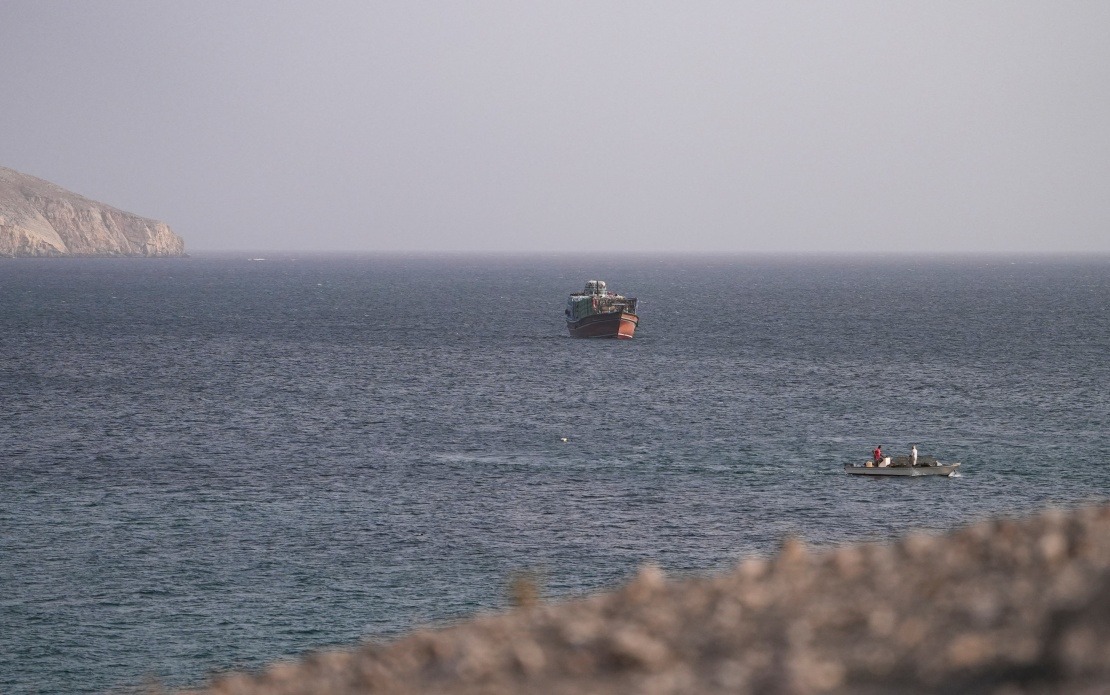
Iran and Oman are moving toward completion of an agreement that would establish fresh commercial shipping arrangements through the Strait of Hormuz, a development with significant ramifications for global maritime trade and regional geopolitics. Deputy Foreign Minister Kazem Gharibabadi disclosed on Wednesday that the two nations have substantially progressed toward finalising their understanding, marking a potential shift in how one of the world's most critical shipping chokepoints operates after decades of established practice.
The proposed arrangement represents a strategic recalibration rather than a wholesale reopening of the waterway. According to Gharibabadi, the emerging framework envisions routing a meaningful portion of commercial shipping directly through Iranian territorial waters—a departure from six decades of existing maritime conventions. This repositioning could fundamentally alter the economic and security dynamics governing passage through the strait, where approximately one-third of global seaborne traded oil transits annually.
A key outstanding question centres on whether Iran will impose transit fees on vessels navigating these new routes. Gharibabadi indicated that any decision on levying such charges would hinge on two critical factors: determinations made by Iran's highest authorities and the trajectory of United States behaviour in ongoing diplomatic negotiations. This conditional framing suggests the fee structure remains intertwined with the broader nuclear accord discussions rather than being a purely commercial matter.
The timing of these developments appears closely coordinated with parallel negotiations between Tehran and Washington. Gharibabadi confirmed that Iran has received communications from the American side signalling willingness to "return to its commitments," though he refrained from elaborating on which specific obligations were referenced or through what diplomatic channels the messages arrived. This suggests multiple negotiating tracks are progressing simultaneously, with the Strait of Hormuz arrangement serving as one component of a larger realignment.
For Southeast Asian readers and regional stakeholders, these negotiations carry substantial consequences. Malaysia, Singapore, and other nations in the region depend heavily on unobstructed passage through the strait for energy supplies and export-oriented commerce. Any disruption or significant restructuring of shipping protocols could affect insurance costs, transit times, and supply chain reliability across the broader Indo-Pacific region. The potential introduction of transit fees would represent an entirely new cost variable that trading nations would need to factor into their logistics calculations.
The diplomatic engagement between Iran and Oman highlights Muscat's role as a regional mediator. Oman has historically maintained pragmatic relations with both Western powers and Iran, positioning itself as a neutral broker in regional disputes. The sultanate's involvement in crafting these shipping arrangements underscores its importance as a stabilising actor in Middle Eastern affairs and its capacity to facilitate dialogue between otherwise antagonistic parties.
Gharibabadi's emphasis that the new model does not constitute a "full reopening" of the strait merits careful analysis. This language suggests Iran views the arrangement as preserving certain leverage while accommodating legitimate commercial interests. By framing the agreement as establishing a distinct operating model rather than returning to status quo, Iranian officials appear to be seeking political credit at home for securing concessions while maintaining a veneer of continuity with previous policies.
The interconnection between the shipping agreement and broader nuclear negotiations reveals how regional maritime issues have become leveraged in larger geopolitical bargaining. Iran's willingness to negotiate shipping arrangements may signal its confidence in the direction of nuclear talks, or conversely, it could represent an attempt to demonstrate reasonableness to international observers while maintaining maximum negotiating flexibility. The sequencing and pacing of announcements suggest careful choreography between multiple diplomatic channels.
The stakes extend beyond maritime commerce into the realm of regional power dynamics. A successful agreement could enhance Iran's international standing and potentially unlock economic benefits through restored trade relationships. Conversely, the presence of unprecedented transit fees could be portrayed domestically as a significant achievement in extracting resources from global commerce. For the international community, clarification regarding transit fee structures, collection mechanisms, and dispute resolution procedures will be essential to maintaining shipping confidence and stability in one of the world's most strategically vital waterways.

